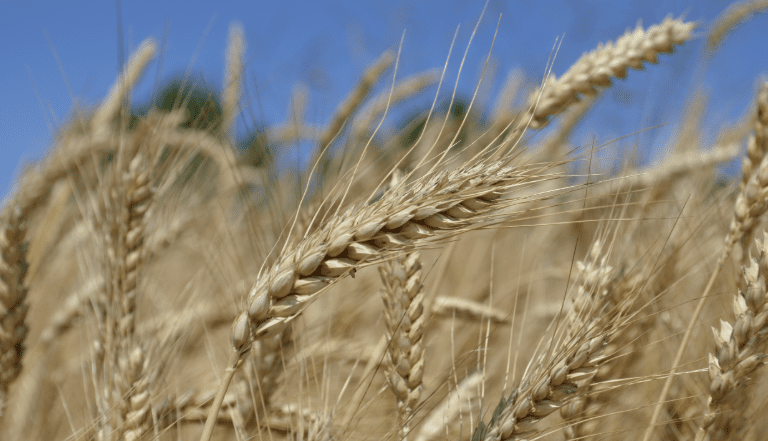
Agrobiodiversity, or agricultural biodiversity, refers to the variety and variability of plants, animals, and microorganisms used directly or indirectly for food and agriculture. It includes the diversity within species (genetic diversity), between species (species diversity), and of ecosystems. Agrobiodiversity is essential for sustainable agriculture and human well-being due to several reasons, including food security, resilience to climate change, and preservation of genetic resources.
The DIVERSIFOOD project published three digital booklets that recommend strategies to enabling greater agrobiodiversity in Europe:
1) Promoting an Enabling Environment for Agrobiodiversity in Europe: This booklet presents recommendations focusing on community agrobiodiversity management, seed systems, community seedbanks, national platforms and seed laws.
2) Policy to Embed Crop Genetic Diversity in Food Value Chains: This booklet presents policy recommendations on the legal status of heterogeneous cultivars, policy coherency for diverse cropping systems, food value chains, awareness raising and multi-actor research approaches.
3) Innovative Approaches to Embed Diversity in Food Systems: This booklet focuses on innovative and novel approaches within ten areas, including, defining underutilised crops, assessing on-farm underutilised crops with smart practices, and designing new valorisation strategies for biodiverse products.
These booklets provide useful knowledge to assist stakeholders in stimulating and improving agrobiodiversity in their own regions. In the Irish context, there is growing interest in this area. In 2023, the Irish Seed Savers Association hosted the 12th European Forum of the European Coordination of Let’s Liberate Diversity (EC-LLD). The EC-LLD is an international non-profit organisation focusing on diversity in the food system through management of plant genetic resources for food and agriculture. The resources presented in this knowledge output aim to support the activities of initiatives such as these.
Find out more about this innovation by contacting Claire on claire@erinn.eu