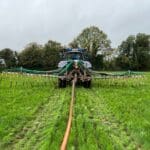
The cultivation of fibrous plants on marginal farmland can help to sequester carbon, remediate soil, and diversify farm income. The Hemp4Soil EIP-AGRI project tested different methods for regenerative hemp cultivation using biochar and manure to contribute to these aims.
Hemp is a versatile plant that is well suited to growing in the Irish climate. Due to the high rainfall here, it grows tall fibrous stalks up to two metres in height which can be used to make textile, rope, biochar, concrete and other products. The high level of fibre in the plant means it is highly effective at sequestering carbon. Moreover, it can absorb heavy metals and other contaminants from the soil (soil remediation) and improve the soil structure through moisture retention. The project sought to explore the potential of hemp to restore degraded soils typically used for livestock and silage production. Hemp can also provide options for farm diversification through value-add products as well as providing a resource for farmers.
Biochar is a useful material for farming systems that is increasingly adopted through the spreading of agroecological methods. Combining biochar with manure significantly reduces the smell of manure application as well as methane emissions, as it absorbs the methane and sulphur dioxide into its pores. Moreover, soil microbes use the biochar as a carbon source, thus increasing soil microbial activity.
The application of biochar combined with manure can deliver greater plant health, quality, and height, as well as increased carbon content and microbial activity in the soil. Thus, the combined application of biochar and on-farm manure for hemp cultivation creates a system that removes logistical and input costs for farms, as they have their own organic fertiliser and bioremedial plants.
Researchers and farmers involved in Hemp4Soil intend to continue the research with further experimentation, as longer duration projects are needed to reliably test below-ground changes, such as soil microbial activity.
Find out more about this innovation by contacting Claire at claire@erinn.eu.