Cereals are the most widely cultivated crops, however, 35% of the crops is lost or wasted at the farm and food-processing level. This is not sustainable, wastes food and resources, represents loss of income, and can impact food security.
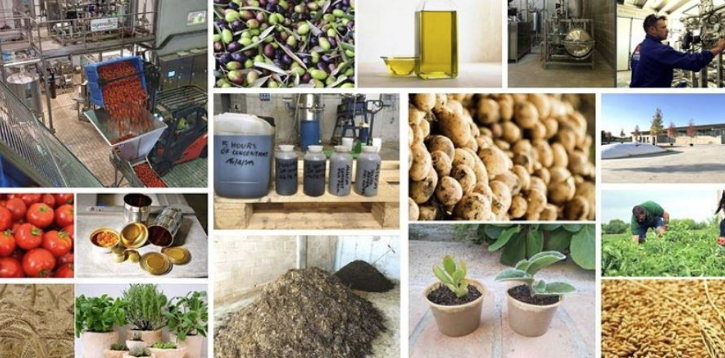
AgriMax, an EU-funded project, aimed at addressing this problem by developing and demonstrating the production of multiple, high-value products from crop and food-processing waste.
In a biorefinery pilot plant, purposely build for the AgriMax project, a range of biobased products for use in biodegradable plastic production were created from the technological extraction and exploitation of wheat bran residues.
One of the biobased products created using waste from wheat processing was biodegradable plastic based on a combination of mycelium- the vegetative structure of mushrooms - and agro-industrial residues from cereals. This packaging is fully biodegradable and produced from low-cost substrates which would otherwise be wasted. The microorganisms used are non-allergenic fungal strains which do not release any spores throughout the production process.
Wheat is Ireland’s second-largest cereal crop, with approx. 60,000 hectares planted each year. The majority (over 90%) of Irish wheat is used for the production of animal feed. Using wheat bran residue from agricultural waste to extract mycelium could convert the low-value input matter into a product with high added value thus aiding the valorisation of agricultural waste, reducing waste, supporting green, circular economies and agricultural sectors while opening new market opportunities for plastic/packaging producers and end-users, with farmers as the primary producers.
Find out more about this innovation by contacting Leo at leo@erinn.eu.