Portugal is currently implementing significant reforms to strengthen its Agricultural Knowledge and Innovation System (AKIS) and while significant progress has been made several structural challenges persist regarding the coordination, communication and integration of the various actors involved. To support this transition, the Directorate-General for Agriculture and Rural Development (DGADR), together with the National CAP Network in Portugal, engaged in the PACE programme of the European Commission (TSI 2024). The PACE (Public Administration Cooperation Exchange) programme is a key flagship initiative under the European Commission's Technical Support Instrument (TSI). Often described as "Erasmus for public servants," it facilitates cross-border exchanges and mutual learning among civil servants to share best practices, enhance administrative capacity, and implement EU laws.
Ireland, along with Austria and the Netherlands were identified as priority countries to visit due to the quality of their advisory systems, their mature AKIS coordination models, and their strong culture of stakeholder engagement.
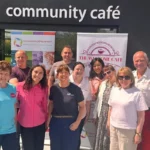
The core challenge set was to explore how Portugal can build a more connected, trust-based and operational AKIS, capable of ensuring effective knowledge flow and continuous dialogue between farmers, advisors, researchers and policymakers, drawing inspiration from the approaches used in Ireland. At the end of June, CAP Network Ireland hosted the visiting party from Portugal, consisting of an official from DGADR and four representatives from the National CAP Network in Portugal.
Day one started with presentations from Dublin LEADER, Teagasc, DAFM, CAP Network Ireland and most importantly from the Portuguese team. The purpose here was to introduce AKIS and rural development in Ireland, identify what is working well and some of the challenges we are facing. This was followed by a light lunch and tour of McNally’s Family Farm, a seasonal, organic, family-run farm that lies in the horticulture heartland of North County Dublin. Since they first transitioned to organic growing in 1997, the business has evolved into a full family collaboration, with all five of their children actively involved in managing the farm, the farm shop, farm tours, and sales. Spanning 99 acres, the farm is a vibrant collection of polytunnels and open fields, where they cultivate a wide variety of vegetables, salads and fruit.
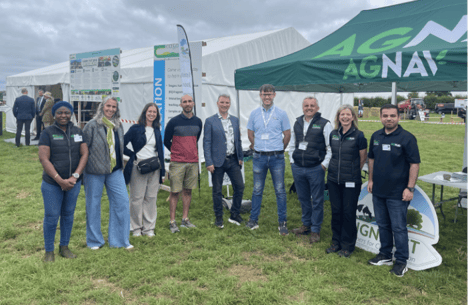
Day two brought the group to the BEEF2026 open day at Teagasc Grange. Centered on the theme of Driving Sustainable Performance, BEEF2026 provided the group with the opportunity to meet a wide range of stakeholders from the Irish AKIS and hear about the latest research, technologies and advice to support more sustainable and profitable beef farming in Ireland. Highlights on the day included conversations with Alma from AgriKids who is working with schools, communities and the Agri sector to build a socially sustainable farm safe future for farm families. Siobhan, Jonathan and George from Teagasc gave us an in-depth introduction to the agnav.ie platform. This free, voluntary digital sustainability platform, available to farmers and advisors across Ireland was created through a partnership between Teagasc, Bord Bia, and ICBF. AgNav helps farmers and advisors turn farm data into practical actions. We meet with representatives from the Agricultural Consultants Association (ACA), the sole representative body for private agricultural consultants and advisors in Ireland and from Social Farming Ireland, providing the supports for people to connect with farming, nature and their local communities. David Meredith, Senior Research Officer at Teagasc spoke to the group about farmer health and safety. Finally, we spoke to Teresa Roche, Chair of the IFA Farm Family & Social Affairs Committee on their work providing a voice to farm families on social issues, ensuring that policies are developed to help farm families.
The morning of day three found the group in the midlands, where they visited a Breeding Wader EIP site. After lunch, they travelled to Mountbellew Agricultural College, where Maura Farrell introduced the PREMIERE project and the work carried out to strengthen the multi-actor approach by supporting the development of more relevant, coherent, and well-prepared project proposals. To round off the day, Galway Rural Development Company outlined how they work with people, community groups and other agencies to improve the quality of life for all in their area.
On the visit the Portuguese delegation gained an insight into AKIS governance in Ireland and its coordination framework, they got an overview of our Advisory System, learned about how we communicate with agricultural stakeholders and got the opportunity to observe and take part in some field-level practices such as an open day, a farm walk and an EIP site visit.
For more information about AKIS in Ireland, click here.