Thriving Upland Communities are Essential for the Common Good
1. Introduction 2. Upland Sheep Farming 3. Managing the Land for the Common Good 4. Support under the CSP 5. The Future of Upland Farms 6. Image Gallery
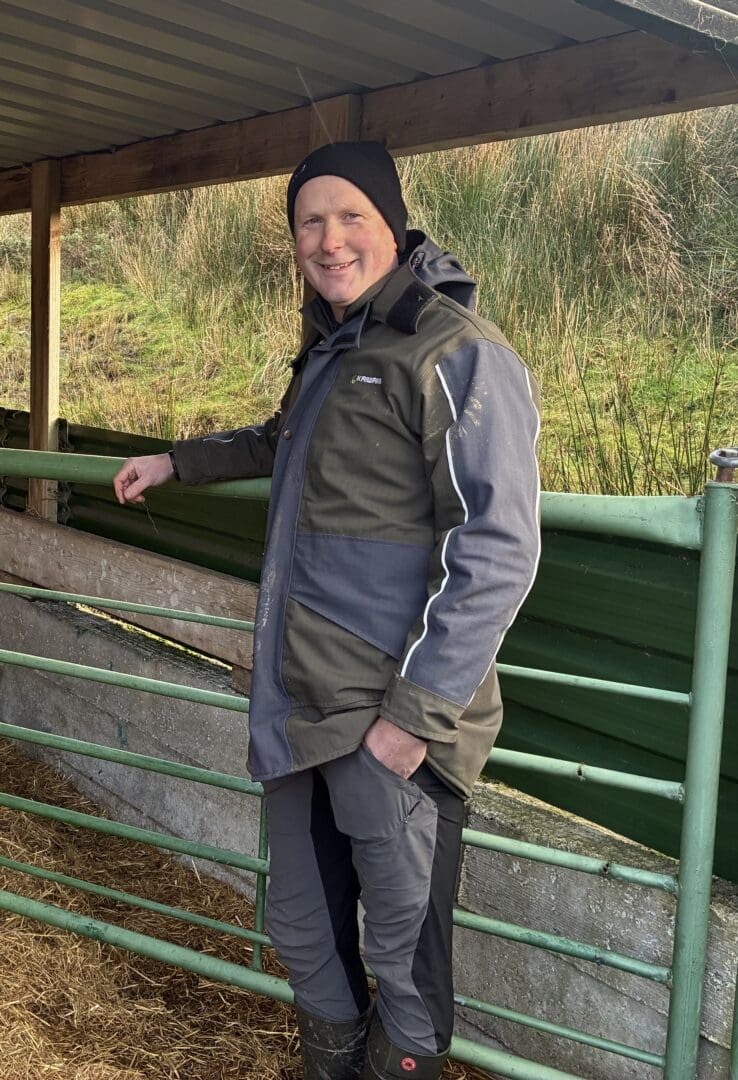
Name:
Colm Gavin
Location:
Tawnyinlough, Co. Mayo
Farm Type:
Upland Sheep
Participating Schemes:
Basic Income Support for Sustainability (BISS) Scheme, ACRES CP, Sheep Improvement Scheme, Eco-Scheme & TAMS 3.
Farm Size:
75 hectares (1/4 share of 100 hectares of commonage)
1. Introduction
Colm Gavin was previously a case study farmer under the old National Rural Network. Recently, Cap Network Ireland revisited him to see how his farm has developed since then.
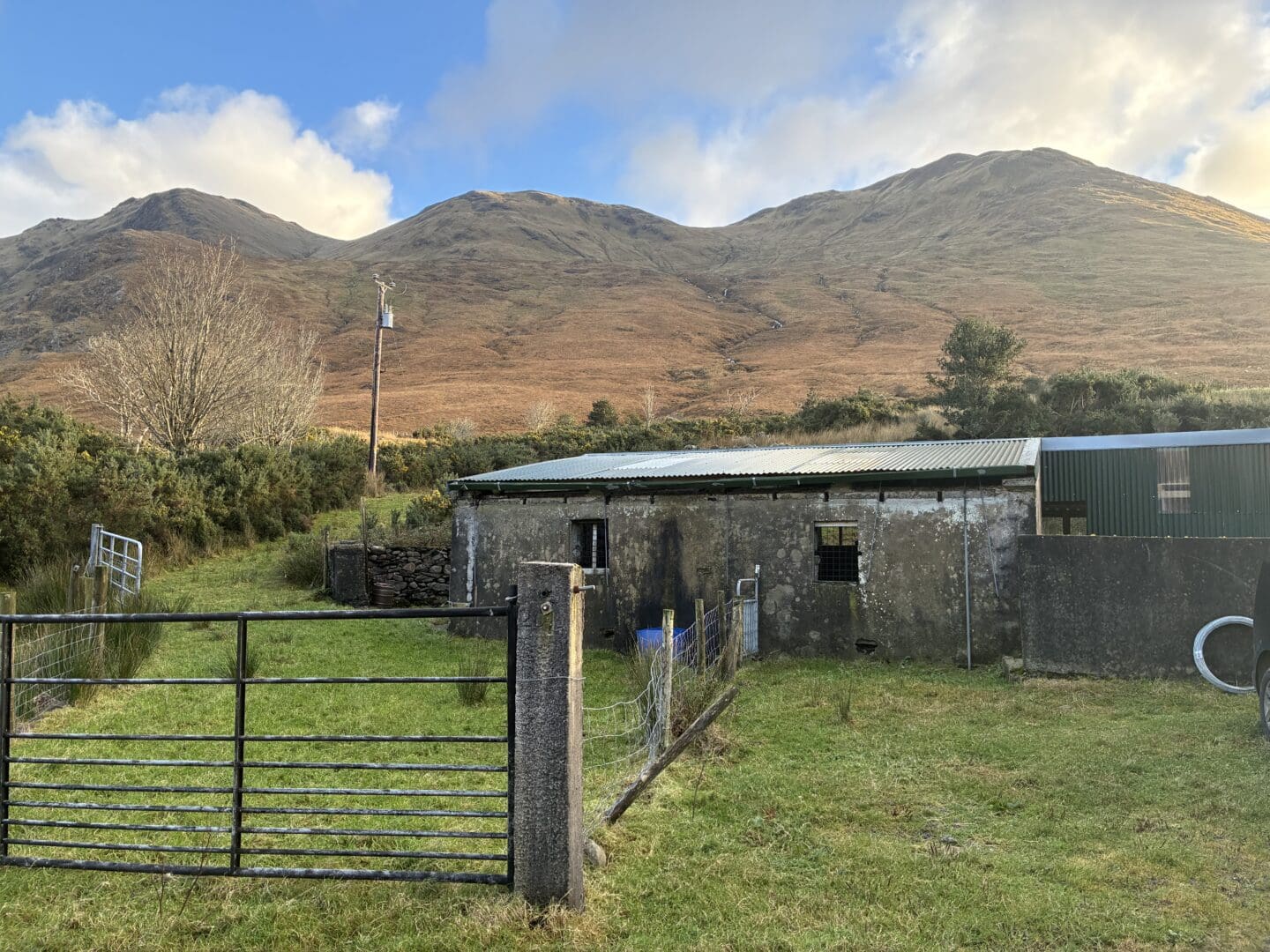
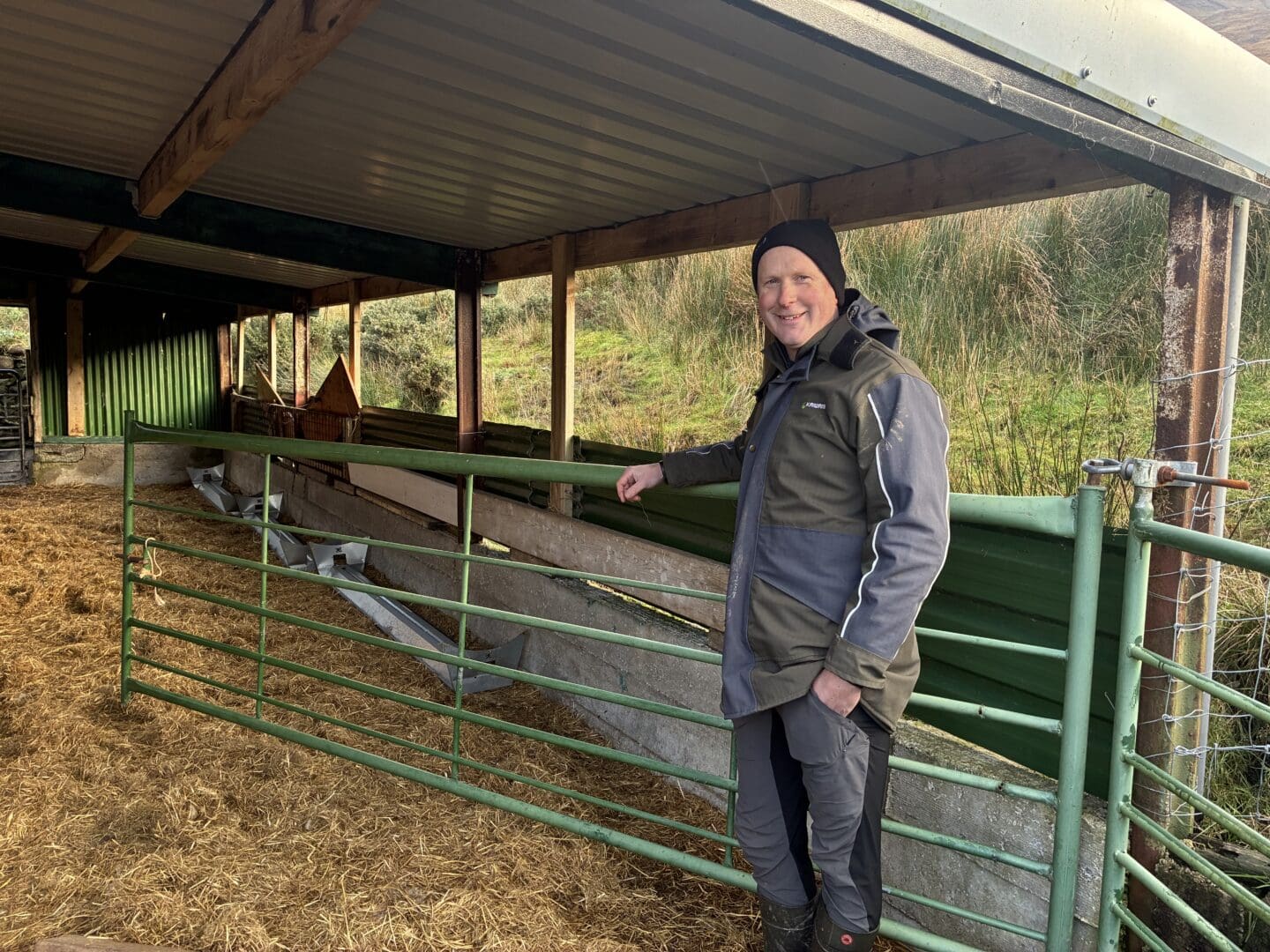
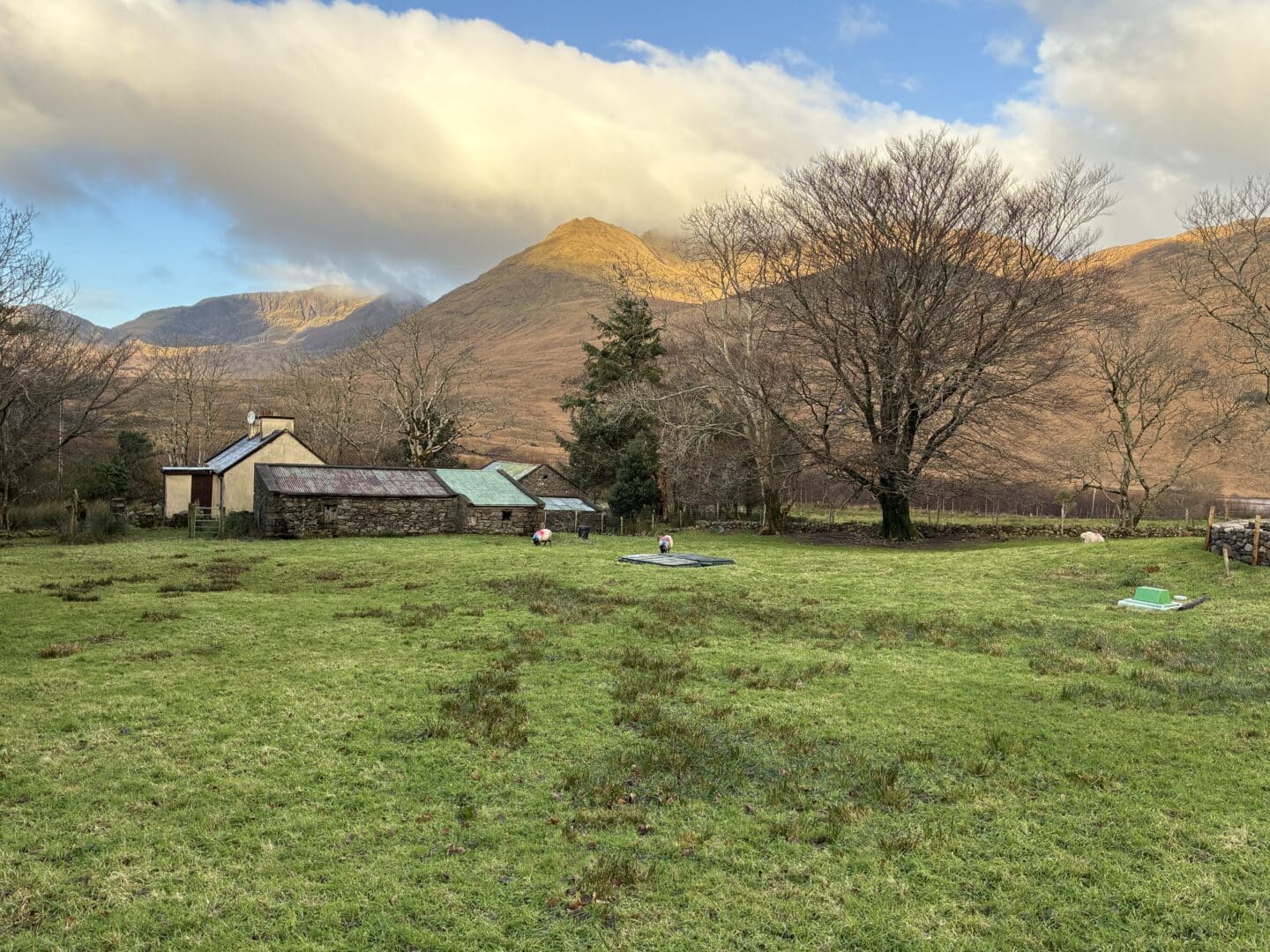
Colm is the 8th generation of his family to earn a living from land situated in a Special Area of Conversation on the Mayo/Galway border near Doo Lough. Colm is a part-time sheep farmer, heavily involved in community work. He is currently employed by FORUM Connemara CLG on the Dúlra project helping to mobilise local farmers in conservation and peatland restoration activities. Colm is passionate about the sustainability of upland areas. “It’s very important to keep livelihoods going and keep these places thriving,” he says. “I’m 10 years farming this land myself, and I’m happy to be able to keep the generations going. It’s very important to keep farming going in the uplands.”
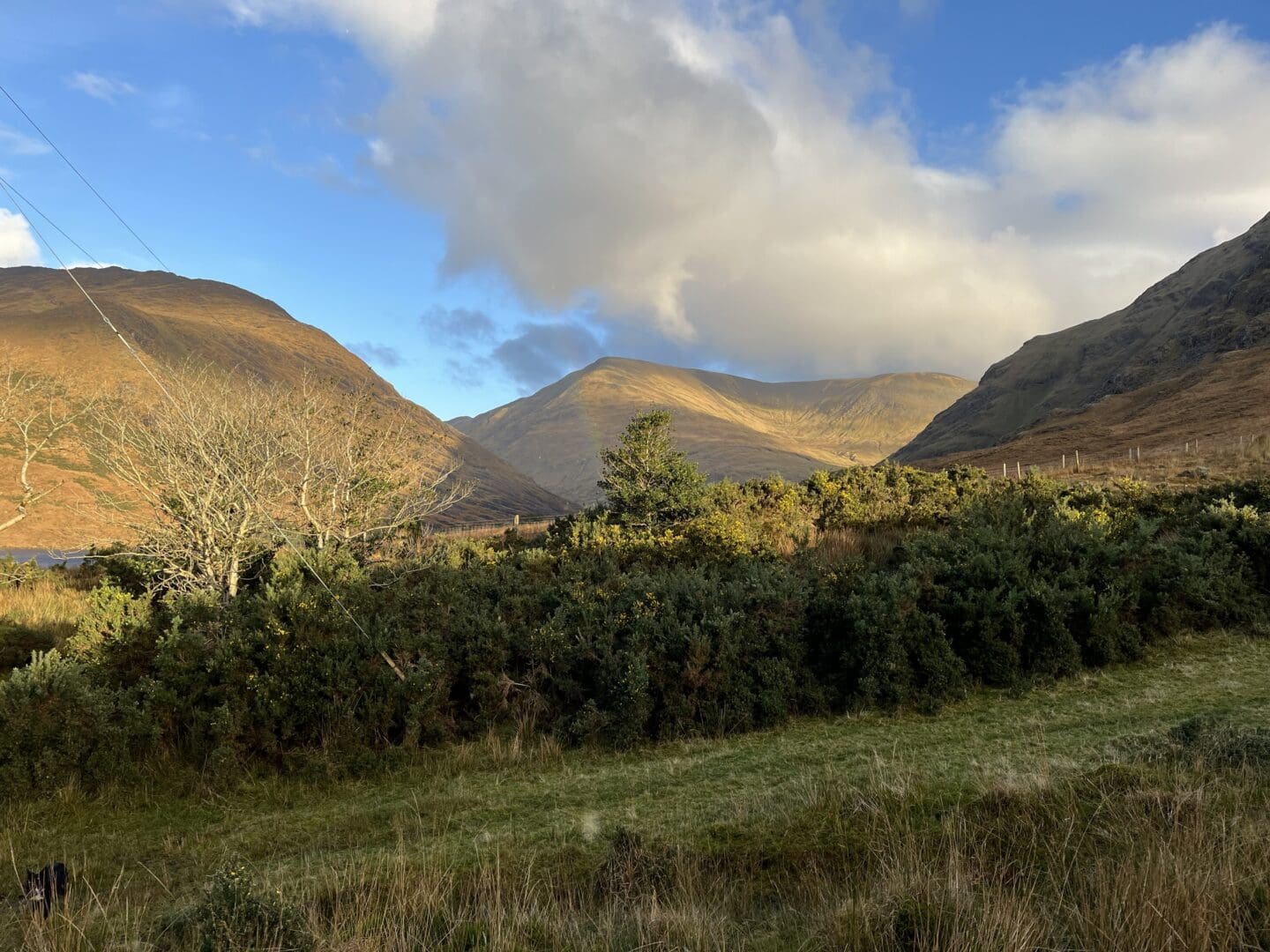
The farm consists of 75ha of private land and 100ha of commonage. Commonage is a common ownership model in upland areas in Ireland. “In my case I have a ¼ share in the commonage and we all have an equal say in the management of that commonage. Across the valley there are 60 shareholders and they all have the same say. We’re quite lucky that the four of us are active farmers on the hills and we all get on. It does help that one of them is my brother, one is my father, and our poor old neighbour has to deal with us,” he says smiling. “My farm is a family farm, but it is also surrounded by my family’s farms as well, if that makes sense.”
Colm is the 8th generation of his family to earn a living from land situated in a Special Area of Conversation on the Mayo/Galway border near Doo Lough. Colm is a part-time sheep farmer, heavily involved in community work. He is currently employed by FORUM Connemara CLG on the Dúlra project helping to mobilise local farmers in conservation and peatland restoration activities. Colm is passionate about the sustainability of upland areas. “It’s very important to keep livelihoods going and keep these places thriving,” he says. “I’m 10 years farming this land myself, and I’m happy to be able to keep the generations going. It’s very important to keep farming going in the uplands.”
2. Upland Sheep Farming
Colm’s flock is composed of the traditional Mayo Blackface, and he manages his land at a stocking rate of one ewe per hectare. Colm notes that a lot of changes have occurred since the establishment of the breed in Mayo. “The guy(Captain William Houstoun)who brought them in had a big farm on the west coast of the peninsula from KillaryHarbourto Clew Bay.He made quite a lot of money because the Americancivilwarimpeded a lot of the cotton productionand the wool went to that market in the states.In the 1850’s he made over3000poundsper annum and in the 1860’she made over 6000 pounds.Last year I made10 euro,” Colm reveals ruefully,“Times have definitely changed.”
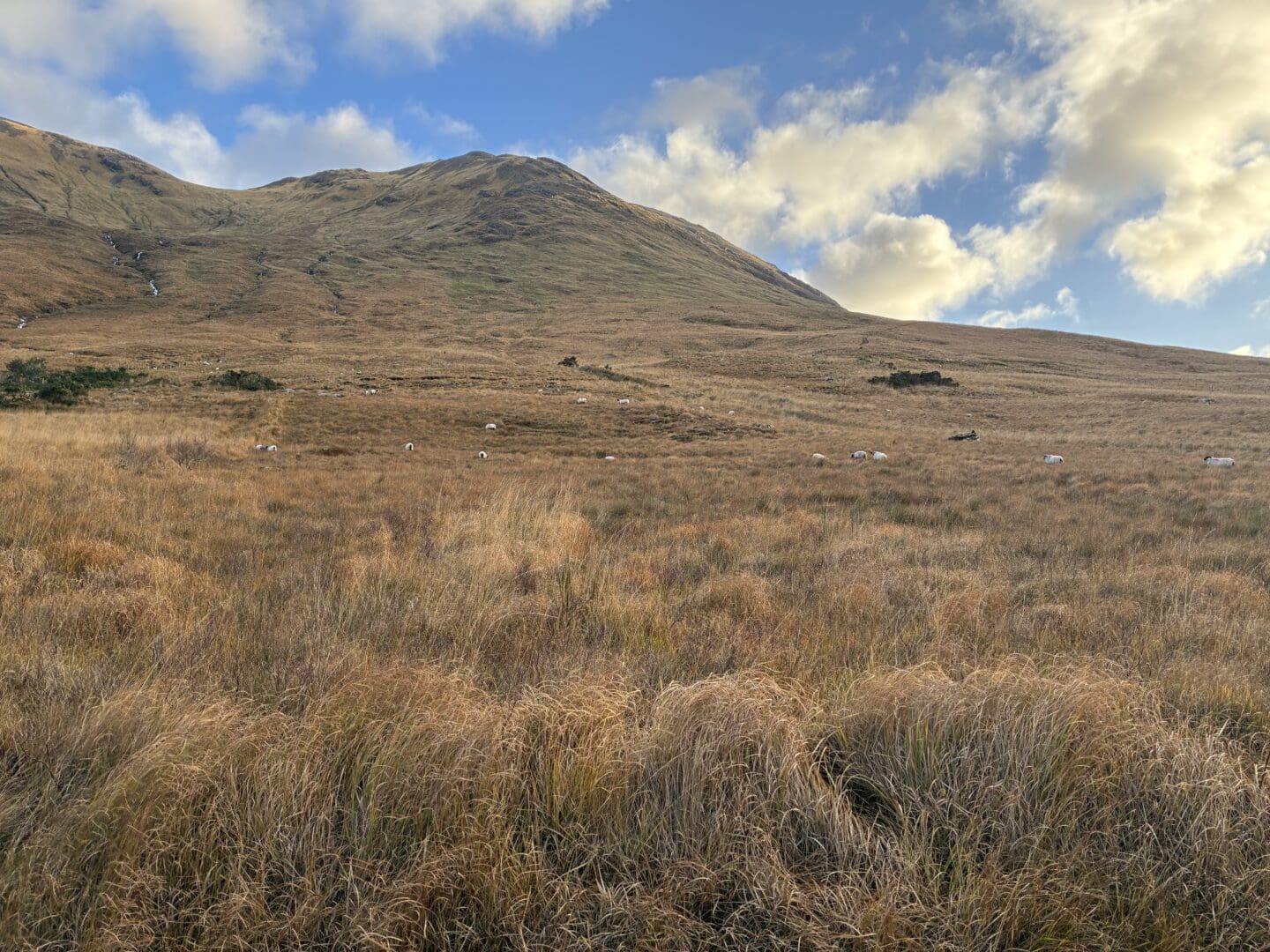
Wool was still the main source of income from sheep farming up until the 1970’s but the focus has shifted to meat in recent times due to the collapse in the price for wool. “It’s only now that we are really looking at it,” he says. “There is a public perception about strong flavoured lamb, and there is some strong flavoured lamb out there, but the hill sheep are not, they have quite a delicate flavour.” His participation in the Sustainable Beef and Lamb Assurance Scheme (SBLAS) guarantees the quality of his lamb.
3. Managing The Land For The Common Good
Besides sheep farming, Colm is exploring other revenue streams for the farm and is keen to invite the public onto his land. Colm is quite progressive in his thought processes around farming on marginal land. “I host Wild Atlantic Nature on their open days, and ACRES, when their staff have training days. I host my own open days as well so that people can see what I have done on the farm. It’s to show that you can do things with nature in mind and still farm productively but also think about what production means. Production isn’t just meat, it’s about water, carbon, the public good and even aesthetics. All if this is production but we only get paid for producing protein. It’s about getting people's heads around these concepts and showing them what I think about this.”
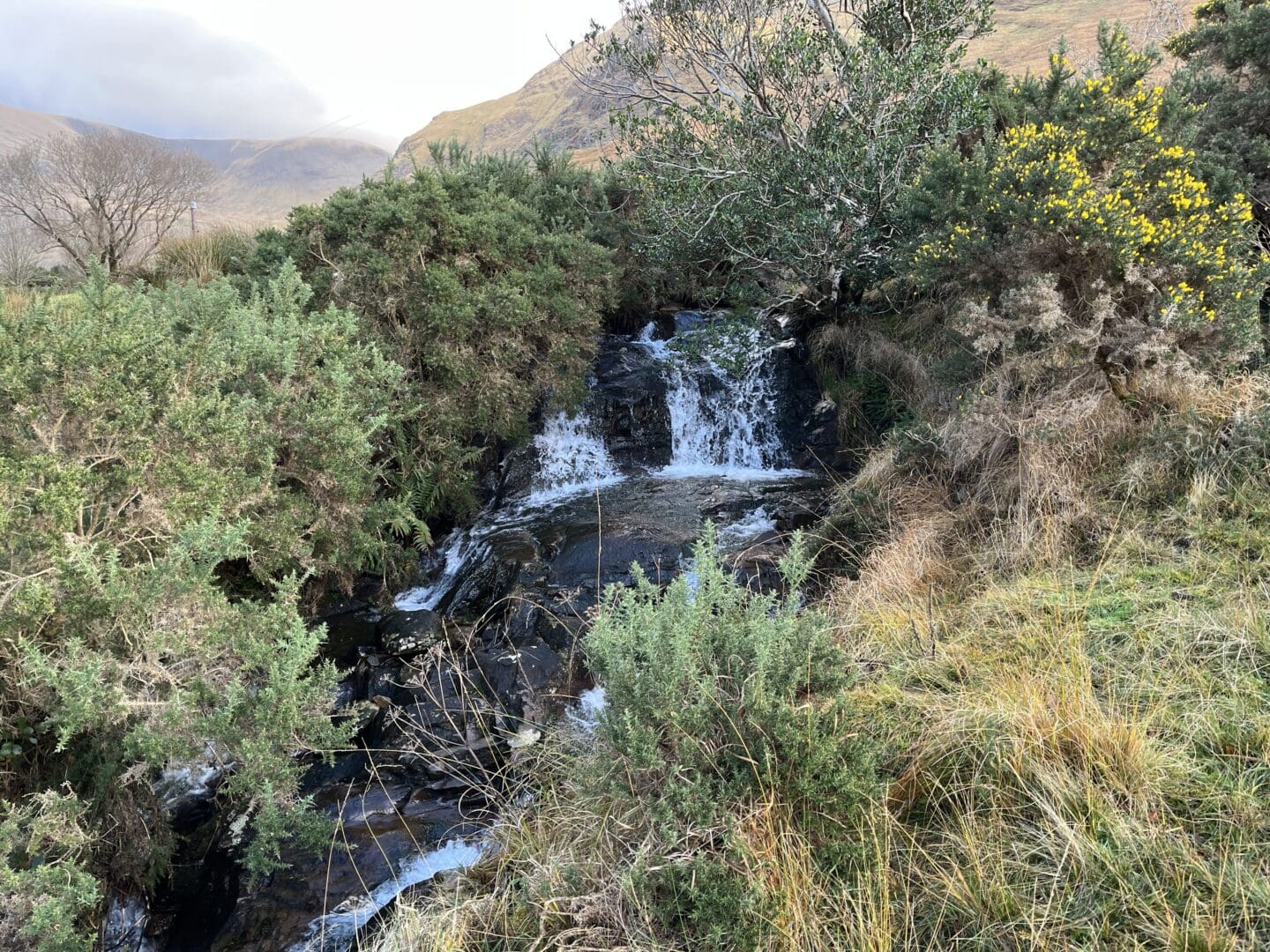
Colm recently joined the ReFarm initiative which is aiming to scale nature-friendly farming in Ireland by funding and supporting farmers to restore biodiversity, improve ecosystems, and create measurable impact – in partnership with farmers, businesses, public bodies, and researchers. His experience has been very positive so far. “It seems to be a lot easier to do stuff. There is more responsibility on myself to ensure that the action is appropriate in the appropriate place. If it is, I do it and send in my invoice.” The actions that he has committed to involve the planting of native trees and hedgerows for carbon capture and providing more space for nature.
4. Support Under The CAP Strategic Plan 2023-2027
Colm is participating in supports available under the CAP Strategic Plan 2023-2027 such as the Sheep Improvement Scheme. Mineral supplementation, parasite control, fly strike control, genotyping of rams are all actions he is undertaking, and he is also shearing, body condition scoring and plunge dipping for control of parasites under the National Sheep Welfare Scheme. “Both schemes are quite good. What they are doing is bringing up the standard of the farmer who is not doing those actions but should be. The schemes are raising the bar for us all, and we are getting paid for reaching that standard.”
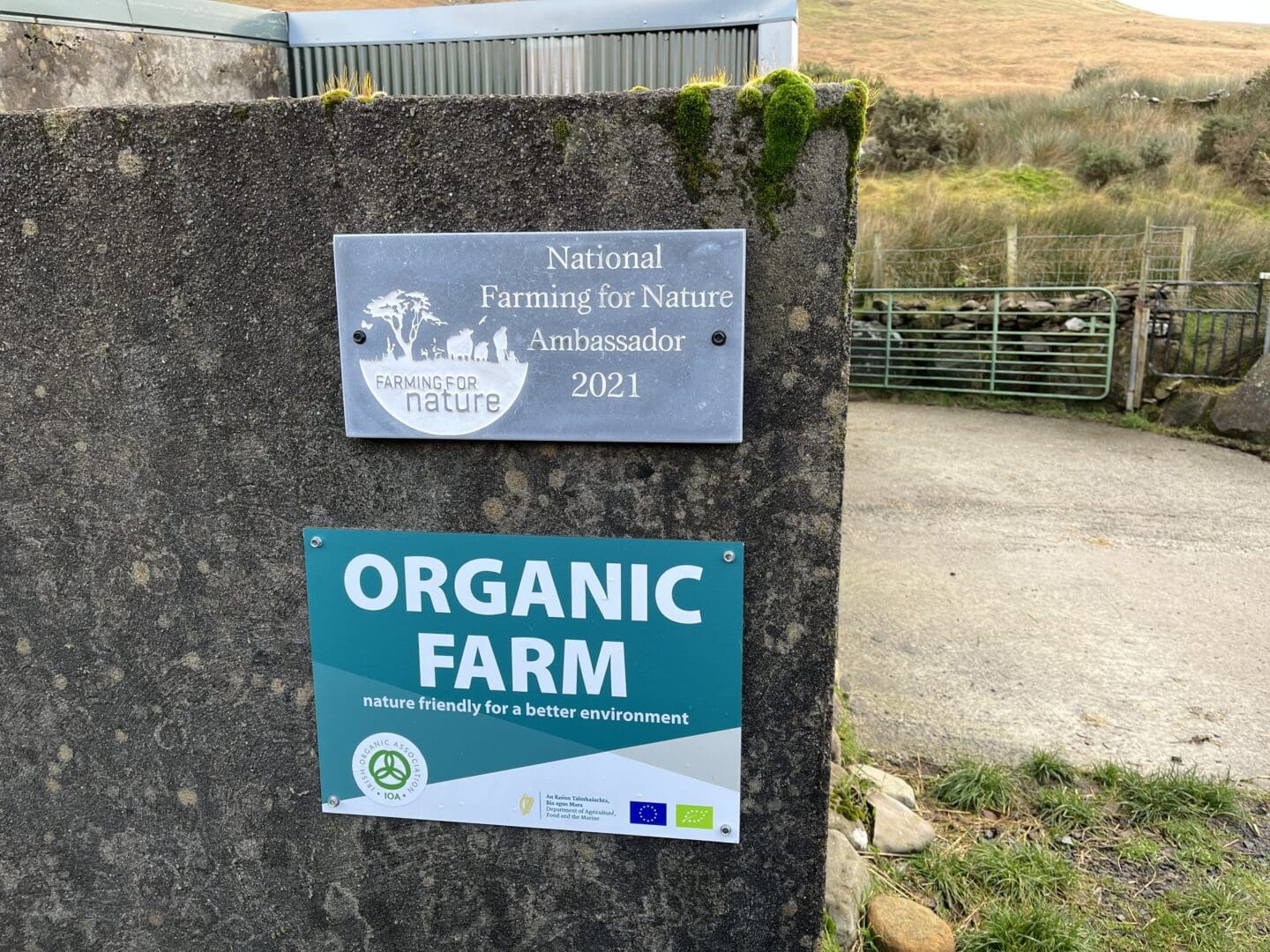
He is participating in ACRES CP on his commonage land and in the Organic Farming Scheme on his own private land. “Financially, being in organics makes so much more sense. Almost 3 times more sense sometimes!” he says laughing. But it also makes sense for Colm to be involved in ACRES. “Most of my scores on the commonage are already 8 out of 10 so I don’t really have much I can do to raise my score.” He is planning to focus on Rhododendron removal as it is one of the options that is still available to him. “But it’s going to be tricky. Obviously, you can’t use glyphosate on ground in organics. There are massive tracts of land that are in organics that are under a very thick cover of Rhododendron and unfortunately the only effective way of treating it seems is to be using glyphosate. Luckily a lot of the Rhododendron plants on my own land are still small and they can be pulled.”
He has made applications to TAMS 3 for investments on his farm in recent times. So far, he has drawn down money for fencing and for the purchase of a flail mower for the control of rushes through the Organic Capital Investment Scheme. He is also considering a purchase of a PTO driven woodchipper under TAMS.
5. The Future of Upland Farms
Colm cares deeply about where he comes from and wants his community to thrive in the future. He believes that upland farmers will play an important role in the future management of biodiversity. Invasive species like Rhododendron and Millenia become a serious problem for native species where land is not under careful stewardship. “With people on the ground visiting their land almost daily, they can focus on an emerging problem and manage it with grazing or whatever,” he says.
He identifies the lack of quality research and advice in Ireland as a major issue that needs to be addressed. “Support and advice are very important, but we currently have no place to go to for advice relevant to upland farming. Ireland needs to set up a demo hill farm with proper costings and run it right in terms of production and nature management.”
"Active communities in these upland areas are critical. These areas are going to die if we don’t take care of them."
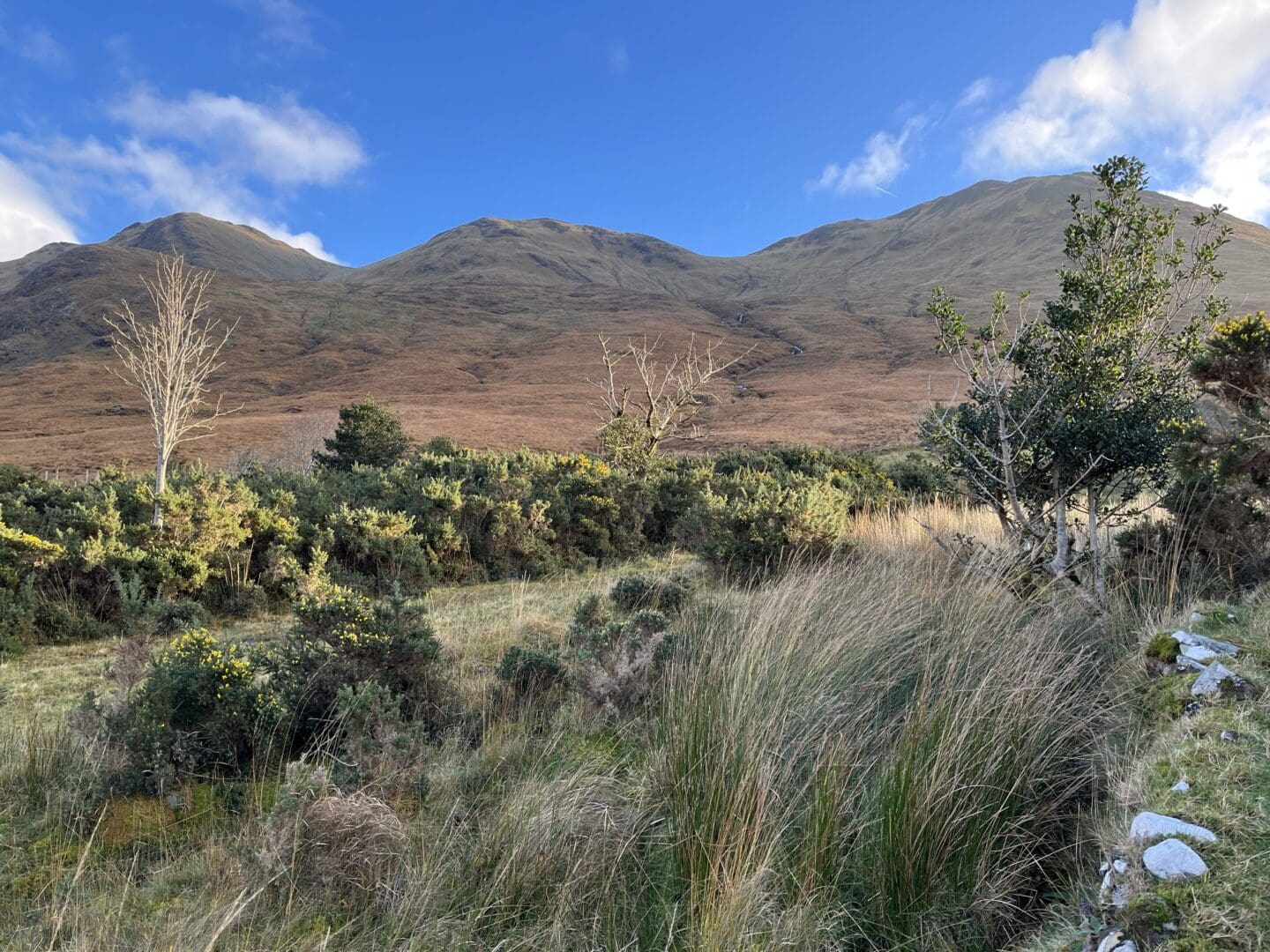
“Active communities in these upland areas are critical. These areas are going to die if we don’t take care of them,” Colm emphasises. “It takes effort to keep them going. It doesn’t take much for a community to disappear. We talk a lot about biodiversity but without people on the ground to manage it, you’re starting on a backward step straight away.” With progressive thinkers like Colm Gavin advocating for these communities, they should be in good hands.
6. Image Gallery