
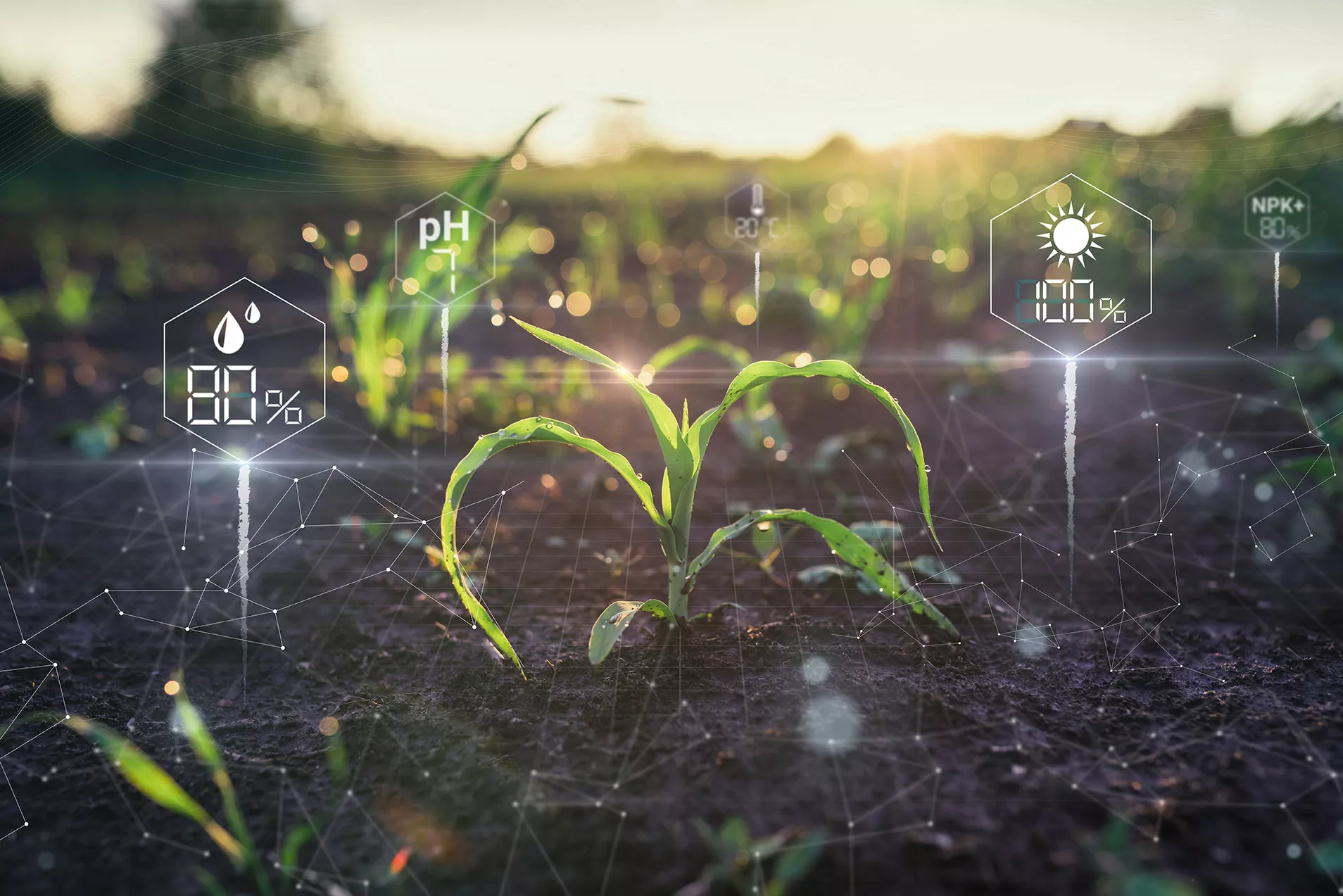
Smart Farming is the term used to describe a technology-driven approach to agriculture, introducing concepts such as Internet of Things (IoT) sensors, drones, Artificial Intelligence (AI), and robotics to improve efficiency, yield, and sustainability in the sector. Smart Farming describes the shift from traditional methods to real-time, data-driven farm management decision-making and can used as a tool to optimize inputs like fuel, water, and fertilizer while lowering operational costs and increasing profitability through automation. As the concept evolves, confusion can arise. Farmers often hear other terms such as ‘precision agriculture’, ‘precision farming’, ‘digital farming’, ‘Agriculture 4.0’, ‘smart agriculture’, and ‘connected farming’ all essentially describing the same transition.
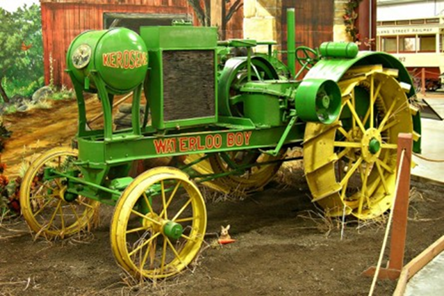
While many contemporary commentators would have us believe that we are seeing ‘smart farming’ for the first time, agriculture is constantly evolving and one could have easily applied the term to the introduction of the first mechanical field machines, or tractors. The Royal Dublin Society (RDS) Spring Show 1916, saw the arrival of the John Deere Waterloo Boy Model N, which effectively replaced horses on farm as a reliable and durable alternative. In the century since the arrival of the John Deere, the speed of technological advances and productivity have increased significantly, many of which have been described as ‘smart farming’.
Evolution and innovation continue with the need to monitor and manage all inputs into crop production more efficiently. Automation and robotic techniques have improved operational efficiently, while monitoring agricultural production processes is reducing errors. As the global population increases, there is a demand for agricultural production to keep pace with expanding global populations while avoiding the overexploitation of essential natural resources.
What are the key benefits of Smart Farming for the sector in Ireland?
1. Cost reduction through optimization of soil fertility, time & rate of fertilizer application, and feed efficiency. Technologies like soil sensors and automated systems allow for better grassland management and faster, more informed decision-making. Real-time data can help farmers optimize resources and make "precision" choices.
2. Contribution to reducing on-farm greenhouse gas emissions through efficient management, which may also positively impact water quality, biodiversity, and soil health. Looking forward, smart farming can help prepare farmers prepare for tighter environmental regulations in the future.
3. Potential to reduce workload and improve time management through technology such as automated feeding and monitoring can save time. Many commentators highlight the potential for smart farming to attract younger entrants to the sector.
Current research and support
TAMS III provides grant aid for digital technologies and precision equipment to boost farm efficiency, safety, and sustainability. Eligible investments include GPS-controlled fertilizer spreaders, automatic steering systems, robotic milking machines, and data-driven dairy equipment. Further details can be found at www.gov.ie/en/department-of-agriculture-food-and-the-marine.
The Government is investing in disruptive and innovative technologies through the Disruptive Technologies Innovation Fund (DTIF), with an allocation of €2.9m for the FutureLives project, the goal of which is to enhance nutrient efficiency and significantly reduce greenhouse gas emissions, contributing to a more climate-resilient agricultural sector. Smart farming and digital technology in Irish agriculture is also supported by two European Innovation Partnerships (EIP-AGRI) co-funded by the Irish Government and the EU. The two funded projects are examining digital tools for the control of parasites and genetic improvement in Irish Hill sheep; further details can be found here.
Source of Image 1: EU CAP Network (https://eu-cap-network.ec.europa.eu/support/innovation-knowledge-exchange-eip-agri/digitalisation_en)
Source of Image 2 and 3: https://www.deere.ie