
Overview and Purpose of the Event
CAP Network Ireland supported the EU CAP Network Seminar on Innovative tools for advisors in Dublin on the 19th and 20th of March. The seminar explored how agricultural advisors can better navigate their evolving roles. The event was to focus on knowledge exchange between member states, to share existing tools developed through European and national initiatives and integrate them into everyday advisory practices.
Participant Profile
The event successfully brought together 160 participants from 25 European Countries representing a broad spectrum of the Agricultural Knowledge and Innovation System (AKIS). The diverse group included:
- Agricultural advisors and innovation brokers
- Representatives from advisory services and training providers
- Advisors from farming and forestry organisations
- Vocational education and training (VET) representatives
- Managing Authorities and National CAP network stakeholders
Workshop Breakout Sessions
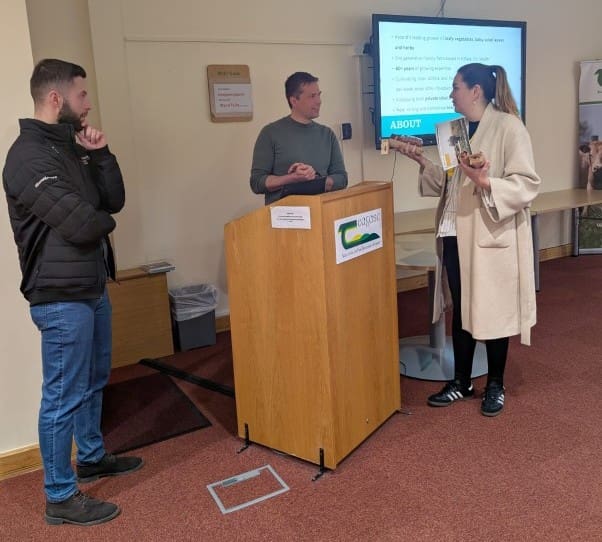
The seminar workshop discussions centred on the real-world application of both digital and physical advisory tools, ranging from AI applications and digital repositories to interactive knowledge hubs and demonstration farms. A major theme of the seminar was bridging the gap between high-level agricultural research and everyday farming practice, with participants emphasising the need for stronger peer-to-peer learning networks to help farmers tackle evolving climate and regulatory challenges. Additionally, the workshops dedicated significant time to the socio-economic side of advisory work, exploring effective strategies and tools to support generational renewal, assist new entrants, and smoothly navigate complex intergenerational farm transfers to ensure long-term rural resilience.
Field Visit Highlights
To connect theoretical discussions with real life applications, CAP Network Ireland organised field visits for the participants on the first afternoon, to see first-hand some of the more practical tools that support agricultural advisors in Ireland. Participants split into groups to visit four key sites:
- Teagasc Grange
- McCormack Family Farms
- UCD Lyons Farm
- the farm of Michael and Norman Dunne.
Teagasc Grange
Teagasc Grange is a beef research and innovation centre. The facility is a vital research and demonstration vehicle for the Irish beef industry, focusing heavily on economic efficiency and environmental sustainability and communicating this to advisors, who in turn disseminate this knowledge to farmers.
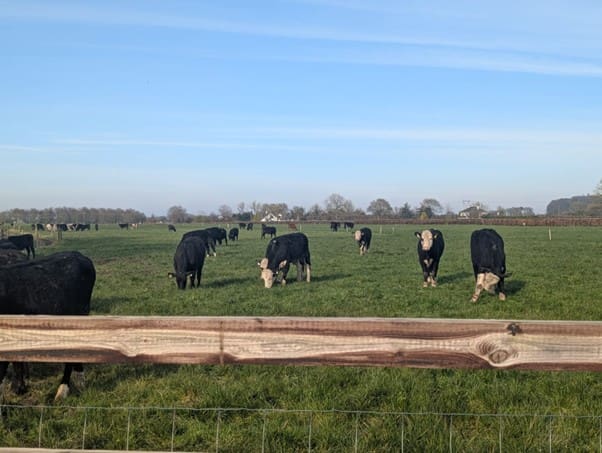
Grange functions as a large-scale, living laboratory where researchers conduct cutting-edge, practical trials on grass-based beef production, suckler and dairy-beef genetics, like validating the Commercial Beef Value tool from ICBF, animal nutrition, and climate-smart practices like methane mitigation and multi-species swards. Ultimately, by walking the fields at Grange and seeing the tangible resulting animal performance, advisors are equipped with the robust evidence and personal confidence required to champion these systems to farmers. Furthermore, the data-driven research at Grange also helps shapes national agricultural policy.
McCormack Family Farms
McCormack Family Farms is one of Ireland’s leading commercial producers of unwashed baby-leaf salads, microgreens, and fresh herbs. The team at McCormack Family Farms gave the participants a presentation at Teagasc Grange about the bespoke digital tools they use to ensure traceability all along their supply chain.
For a business handling highly perishable produce like unwashed salad leaves and microgreens, knowing the exact origin, harvest time, and transit conditions of every single batch is critical. The digital tool seamlessly aggregates field data from McCormack’s own proprietary farms alongside inputs from their wider network of independent growers. This creates an unbroken, real-time chain of custody from seed to dispatch, ensuring absolute quality control and providing immediate, precise recall capabilities should any supply chain issues ever arise
McCormack Family Farms serves as a perfect demonstration that adopting digital governance tools doesn't complicate the business of farming. Rather, it simplifies compliance, empowers better decision-making, and secures the integrity of the entire supply chain from farm to fork.
UCD Lyons Farm
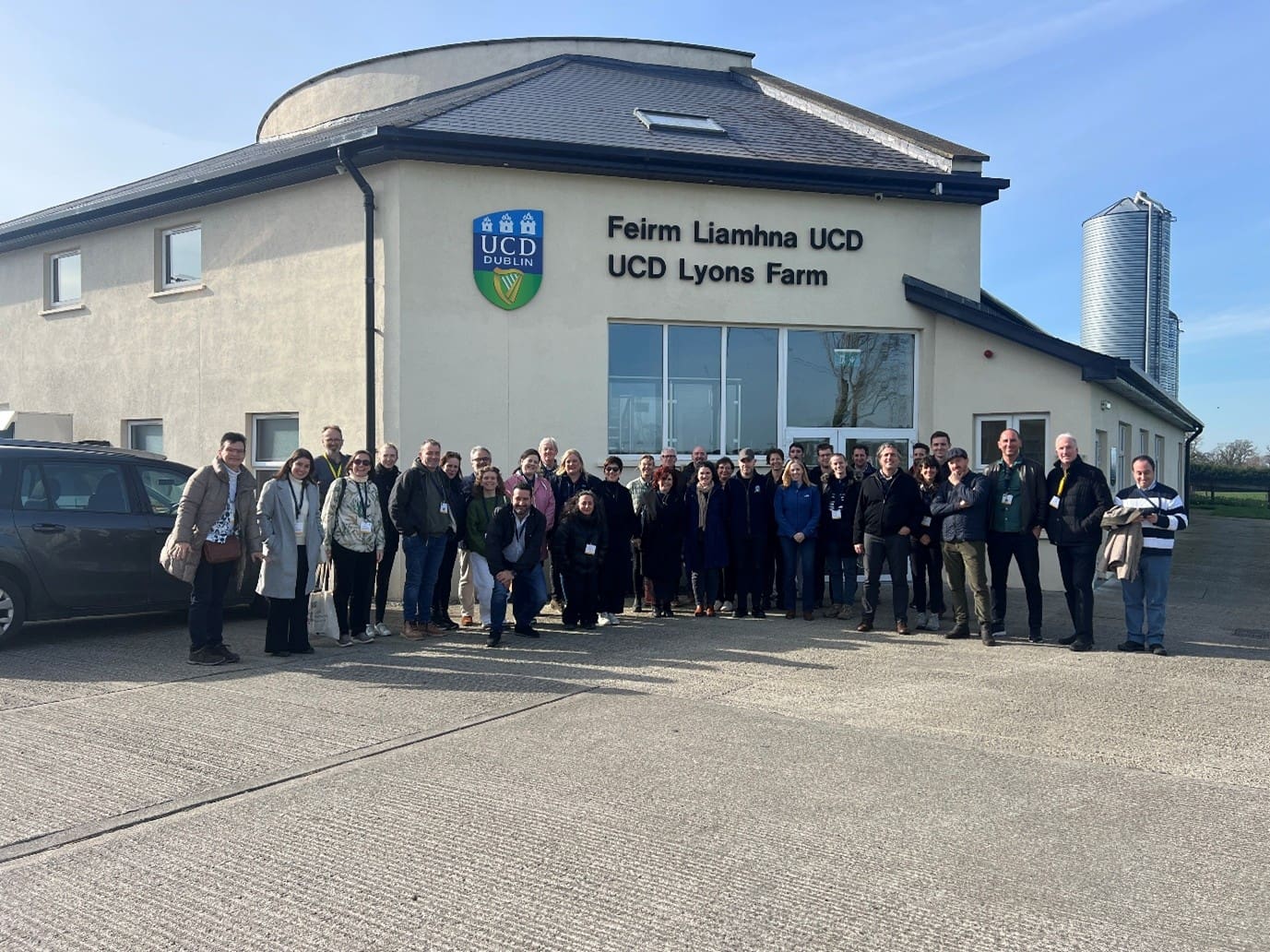
UCD Lyons Farm, located between Newcastle in Dublin and Celbridge in Kildare, highlighted how technical agricultural research is vital for a well-functioning advisory system and how this research flows through advisors to farmers.
During the visit, participants saw how UCD Lyons Farm operates as a dynamic knowledge hub. It actively disseminates vital, up-to-date knowledge to the farming community through various advisor-led discussion groups, while also bridging the gap between current practice and future expertise by teaching and training university students, many of whom will become the next generation of farm advisors.
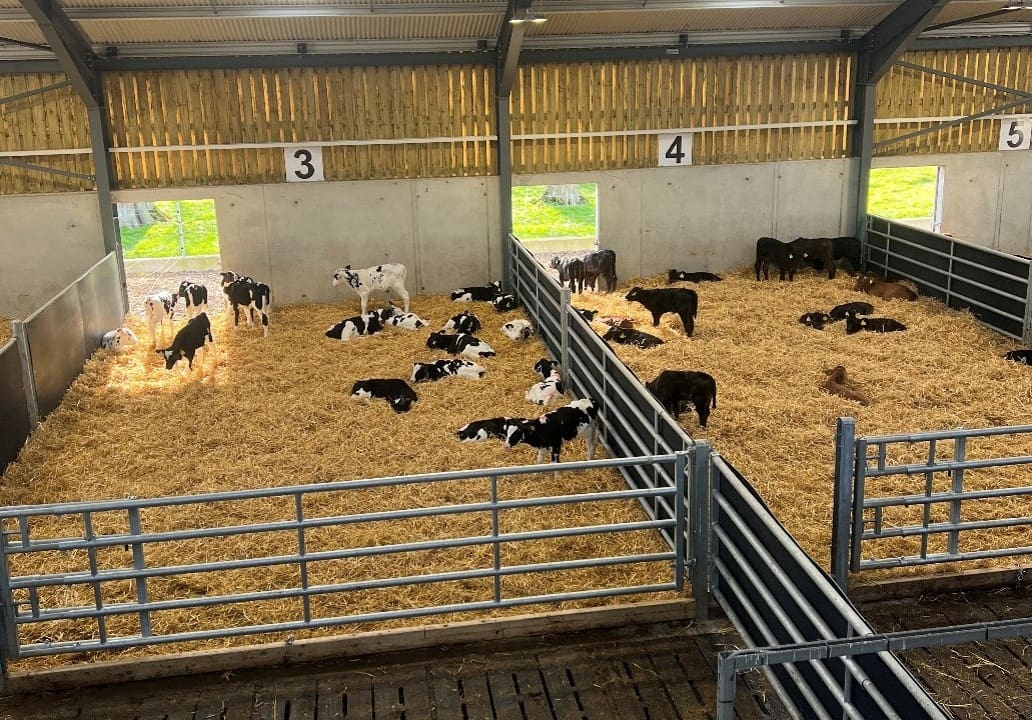
A major highlight of the Lyons Farm tour was the opportunity for attendees to view the farm's cutting-edge infrastructure. Participants were given an in-depth look at the state-of-the-art Dairy, and brand-new calf research facilities, demonstrating the high level of scientific research and technological integration available to inform future advisory practices.
Michael and Norman Dunne
At the farm of Michael and Norman Dunne, near Maynooth in Kildare, participants saw farm succession, generational renewal and farm diversification in action. A key tool showcased was the use of the succession farm partnership (SFP), a key CAP intervention in Ireland to support generational renewal that allows an older farmer and a younger successor to farm together in a Registered Farm Partnership, with a formalised agreement that the farm will eventually be transferred to the younger farmer.
Another tool showcased by the Dunnes was the use of farm diversification to facilitate succession. By introducing new, scalable ventures like free range eggs and a planned future broiler enterprise, the farm is creating distinct, complementary revenue streams. This approach improves overall cash flow and gives the incoming generation full ownership and autonomy over a specific project, building their management capacity while easing the financial pressure of the transition.
Lastly, the Dunnes have also converted from conventional tillage to regenerative farming that focuses on biologically driven approaches (like no-till and natural seed inoculation) to improve soil health. The Dunnes have even participated in past EIP Operational Group Projects on regenerative agriculture.
Participants saw firsthand that effective succession planning requires tools that actively mediate the shared vision of the farmer and the successor, ensuring the older generation feels valued while empowering the younger generation to take calculated risks.
A Robust Toolbox is Needed
Ultimately, the EU CAP Network seminar and the insightful Irish field visits showcased a vital lesson for the future of European agriculture, and this is that effective advisory services require a multifaceted toolkit. By embracing a dynamic blend of practical, digital, and socio-economic tools, the advisor’s community can successfully bridge the gap between high-level innovation and everyday farming, empowering farmers to build resilient, profitable, and sustainable farming businesses for the next generation.
Visit our Innovation Hub to learn more about tools and initiatives being developed to help farmers, advisors and policymakers.