Delivering ACRES in West Connacht
1. Introduction 2. ACRES in the West Of Ireland 3. Results Based Payments & Scorecards 4. Non-Productive Investments and Landscape Actions 5. Securing a Future for Marginal Farms
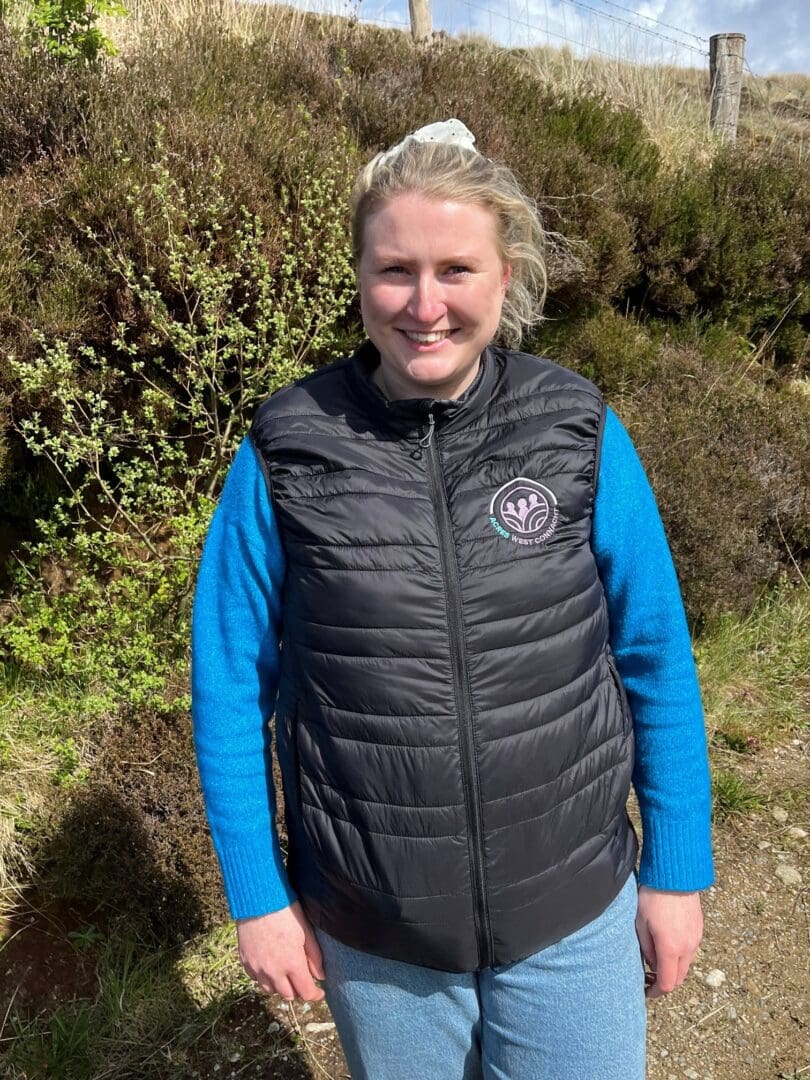
Name:
Lisa Begley
Location:
Ox Mountains, Co. Sligo
CSP 2023-2027 Intervention:
Agri-climate Rural Environment Scheme (ACRES)
Role:
Project Officer
ACRES Cooperation Zone:
ACRES West Connacht
1. Introduction
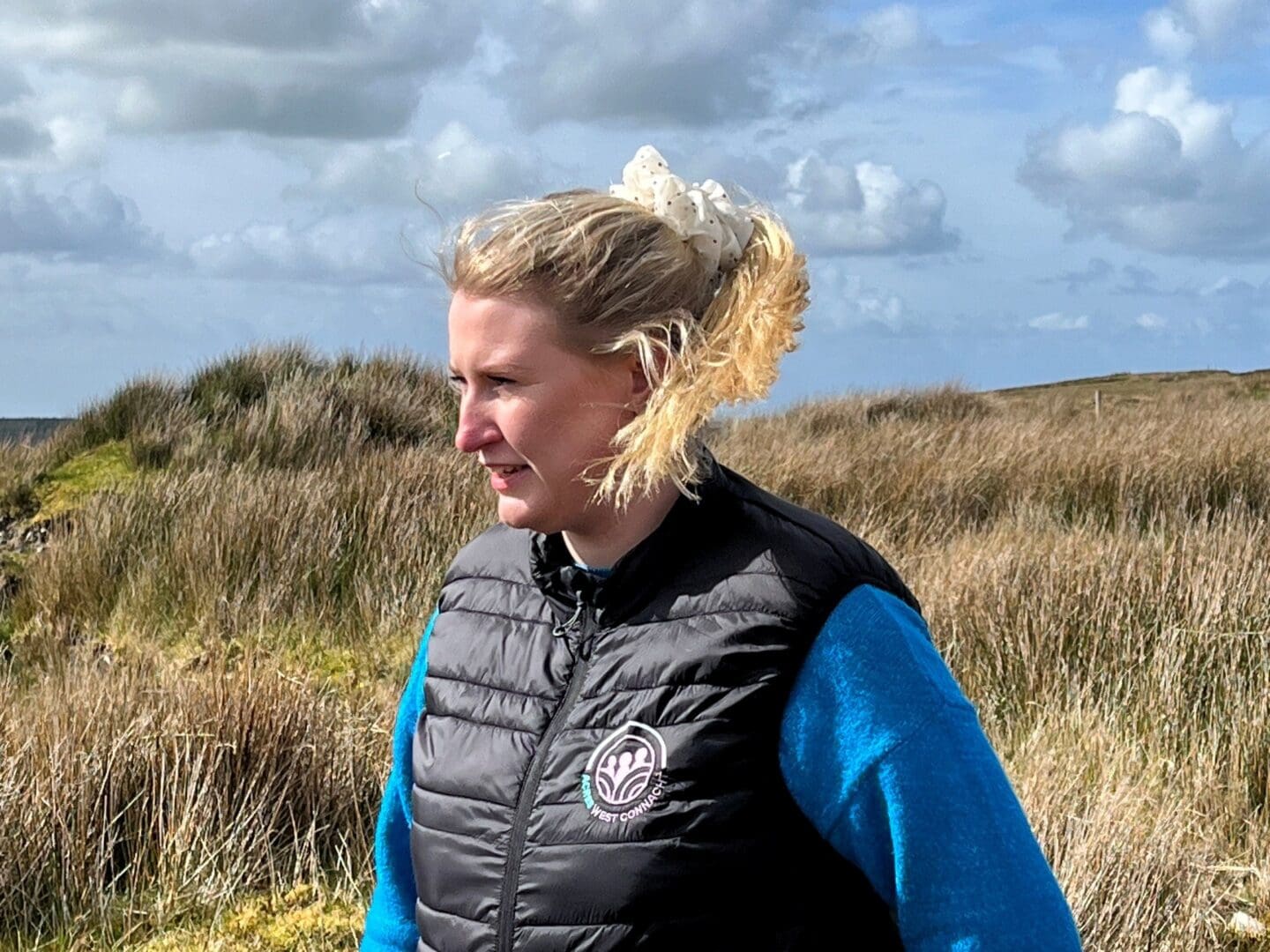
Lisa Begley comes from a livestock farm in Co. Mayo and continues to help on the family farm in her spare time, but studies, however, have taken her on slightly different career path. “I studied agricultural science in University College Dublin and then I studied a Masters in Agricultural Extension and Innovation.” Lisa previously worked as a Schemes Advisor for Teagasc in Co Tipperary, but she now works in Co. Sligo as a Project Officer for ACRES West Connacht.
It is a role that Lisa finds to be professionally fulfilling. “Every day when I go out and meet a farmer, I love it because I’m a 6th or 7th generation farmer myself. Hearing the history of the farmers, their land and their family and where they've come from, it's incredibly rewarding. I have a newfound love and appreciation for the environment that I didn't really have before.”
2. ACRES in the West of Ireland
The Agri-climate Rural Environment Scheme is Irelands flagship agri-environment programme under the CAP Strategic Plan 2023-2027 providing sustainable income for 54,000 farmers to enhance and protect the environmental assets on their land. ACRES is a results-based programme with two tracks; ACRES General is open to all farmers, and Acres Cooperation is for landowners based in areas of natural importance such as Special Protection Areas, Special Areas of Conservation or areas of high-water quality.
“It's a results based system based on areas of natural importance such as special protection areas and special areas of conservation or areas of high water quality,” Lisa explains, “the ACRES scheme allows farmers to have a sustainable income, rewarding them for the incredible environmental assets they have on their farms.”
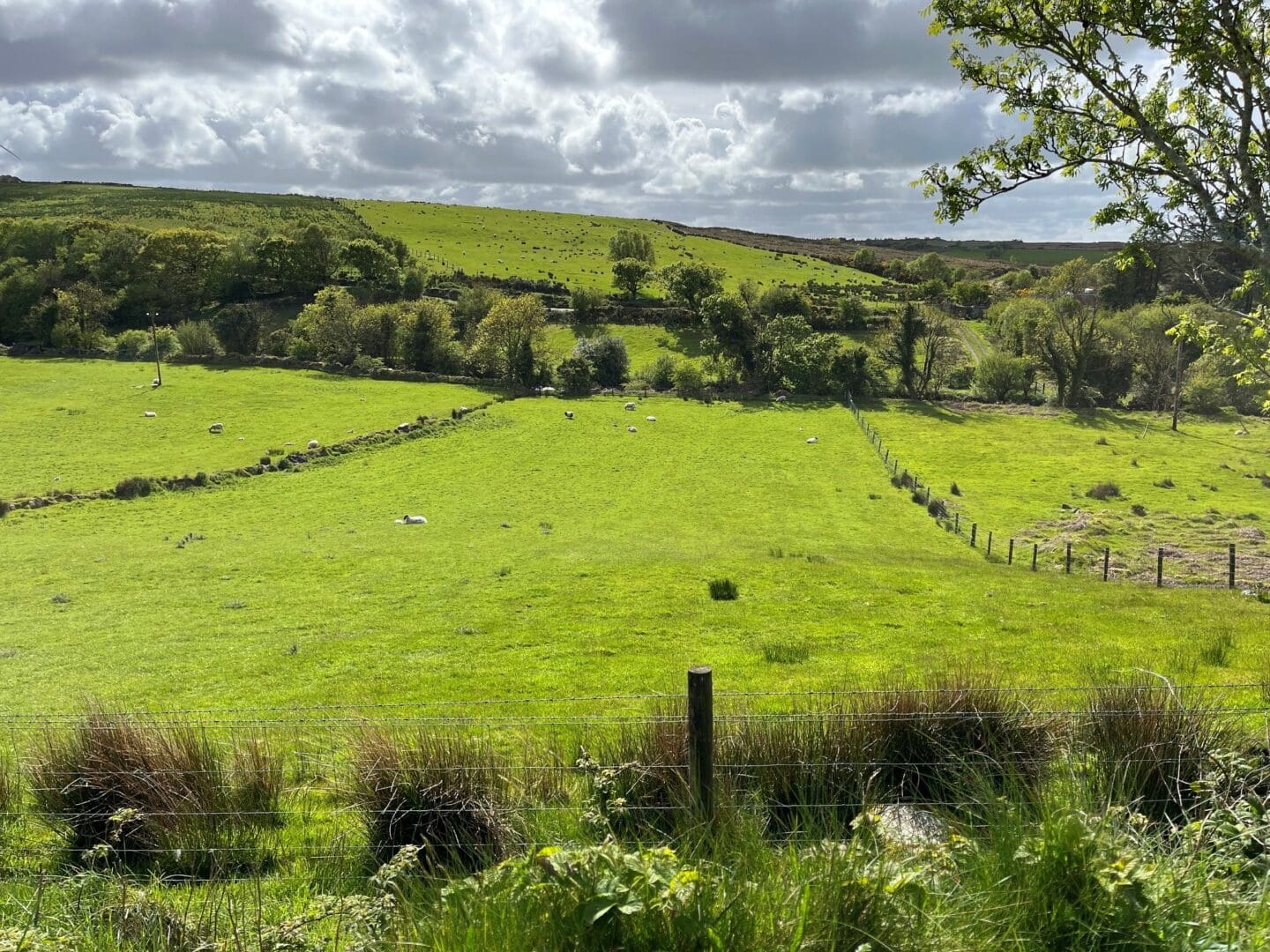
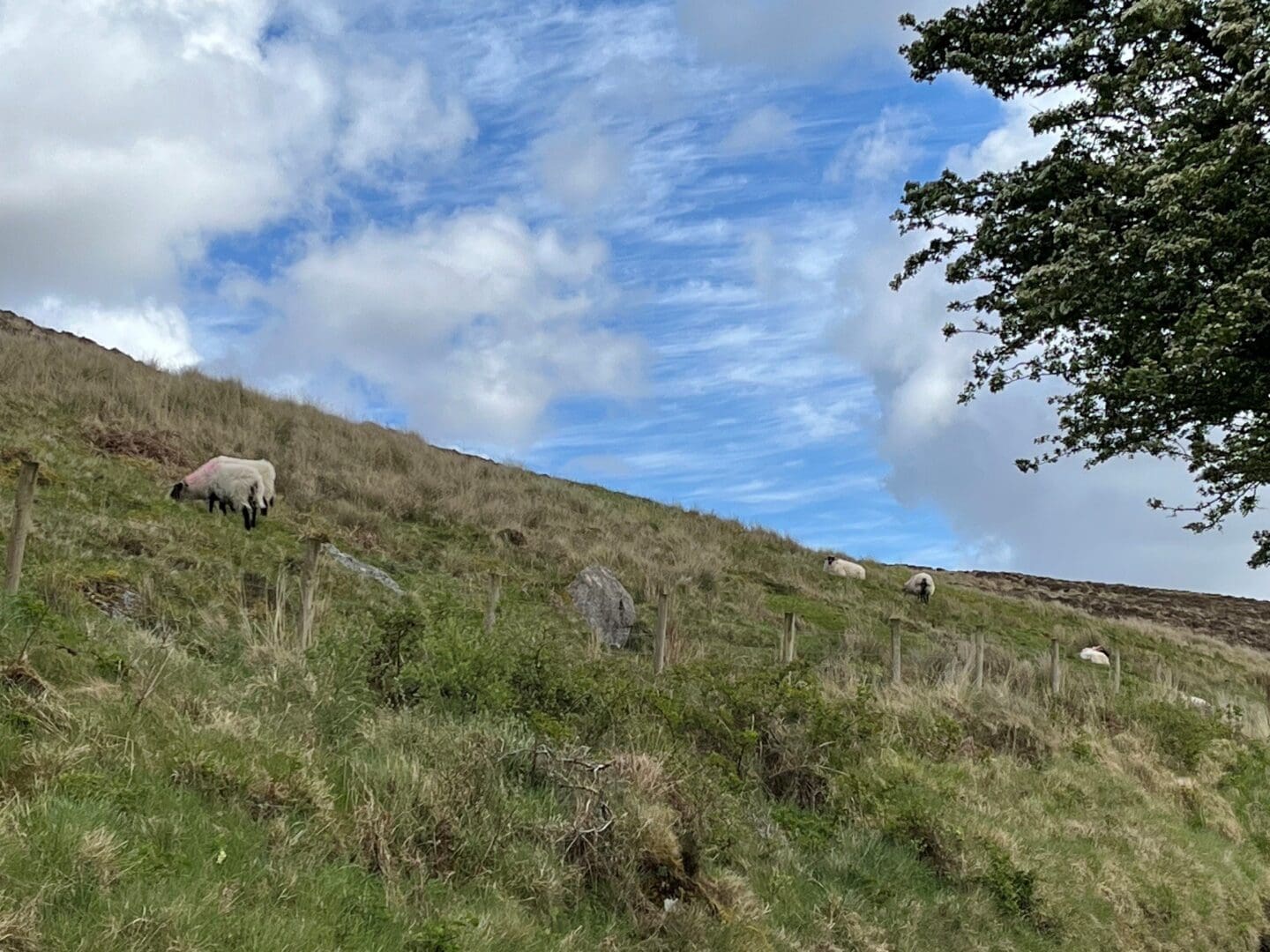
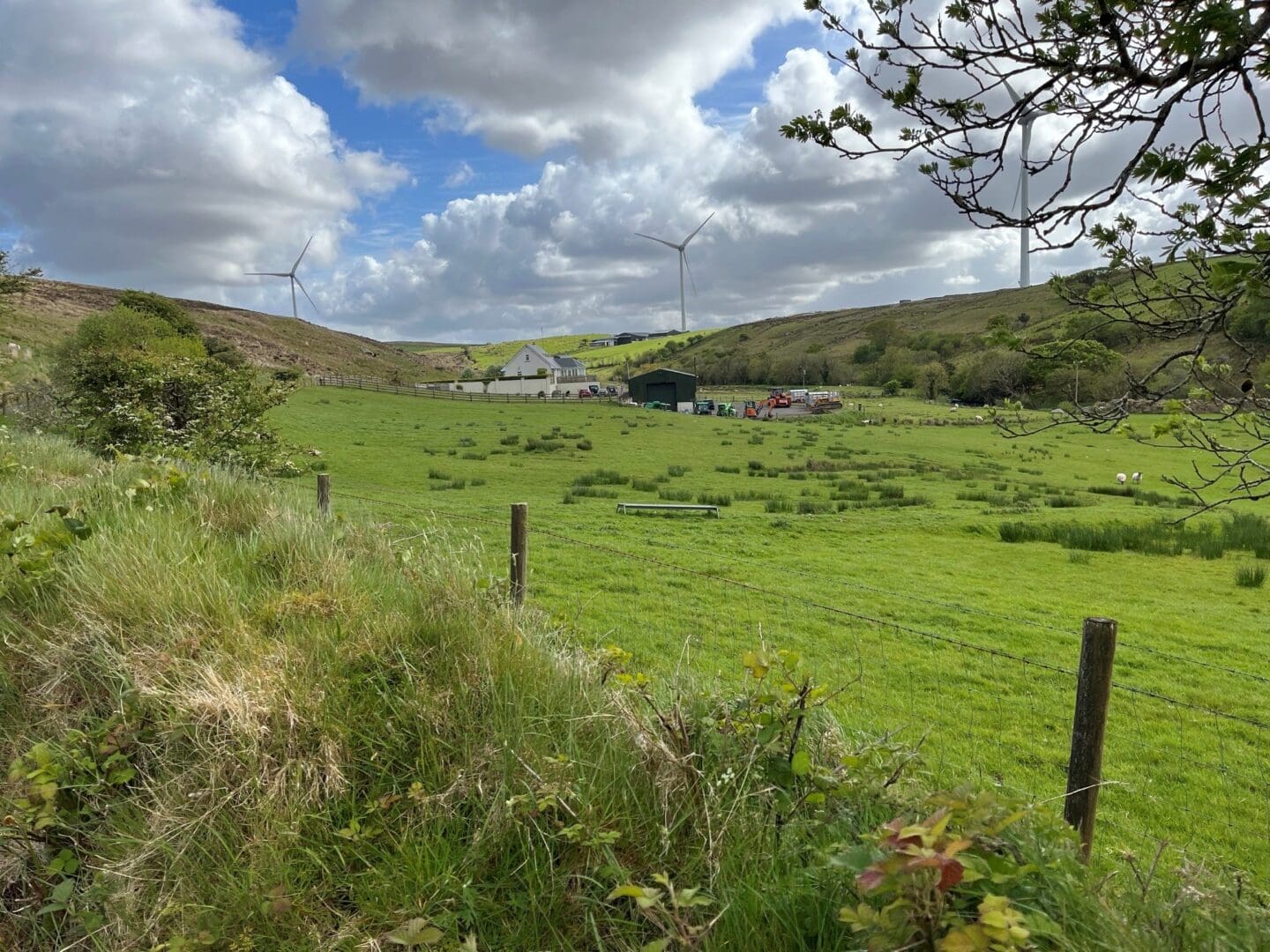
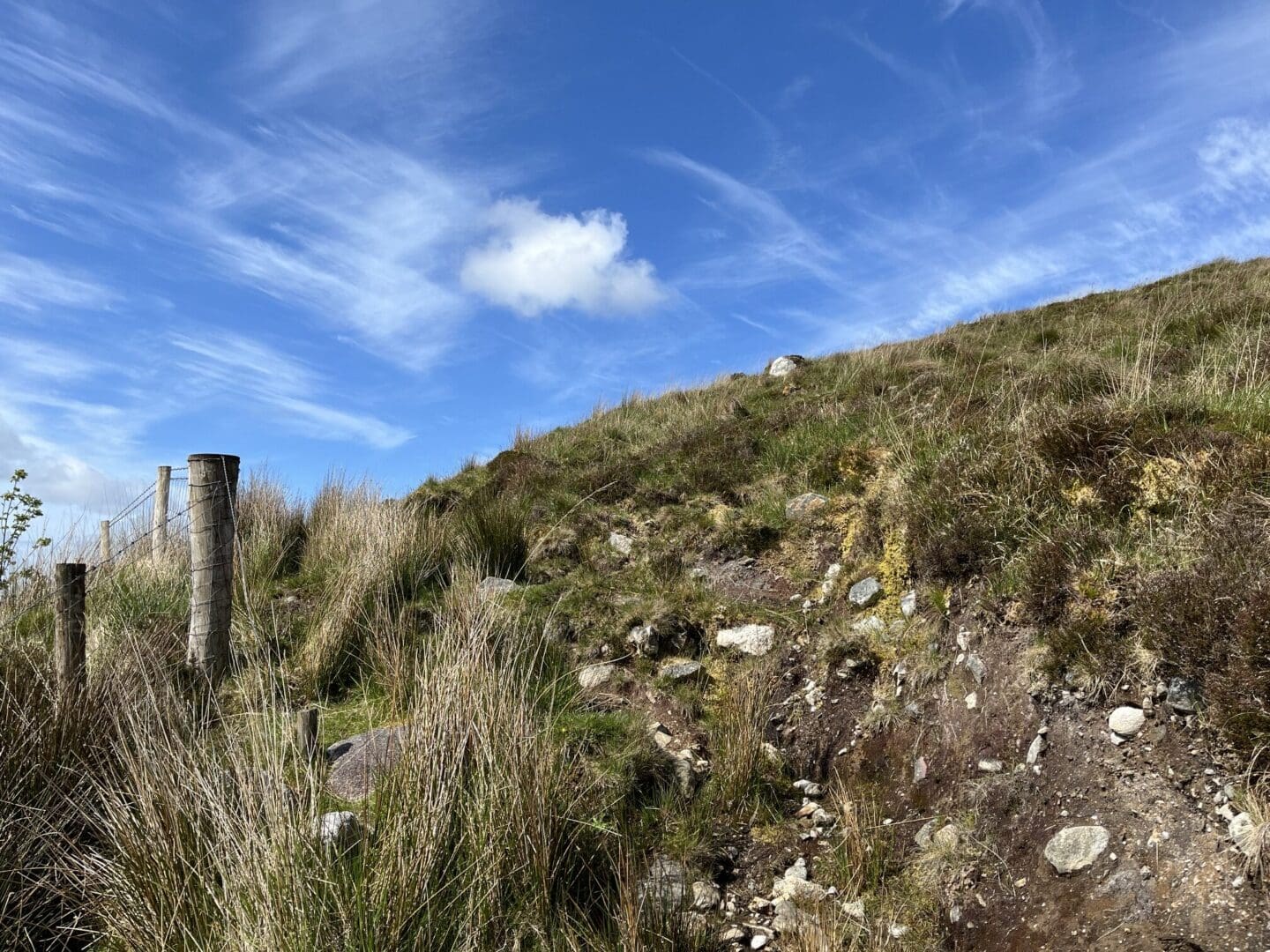
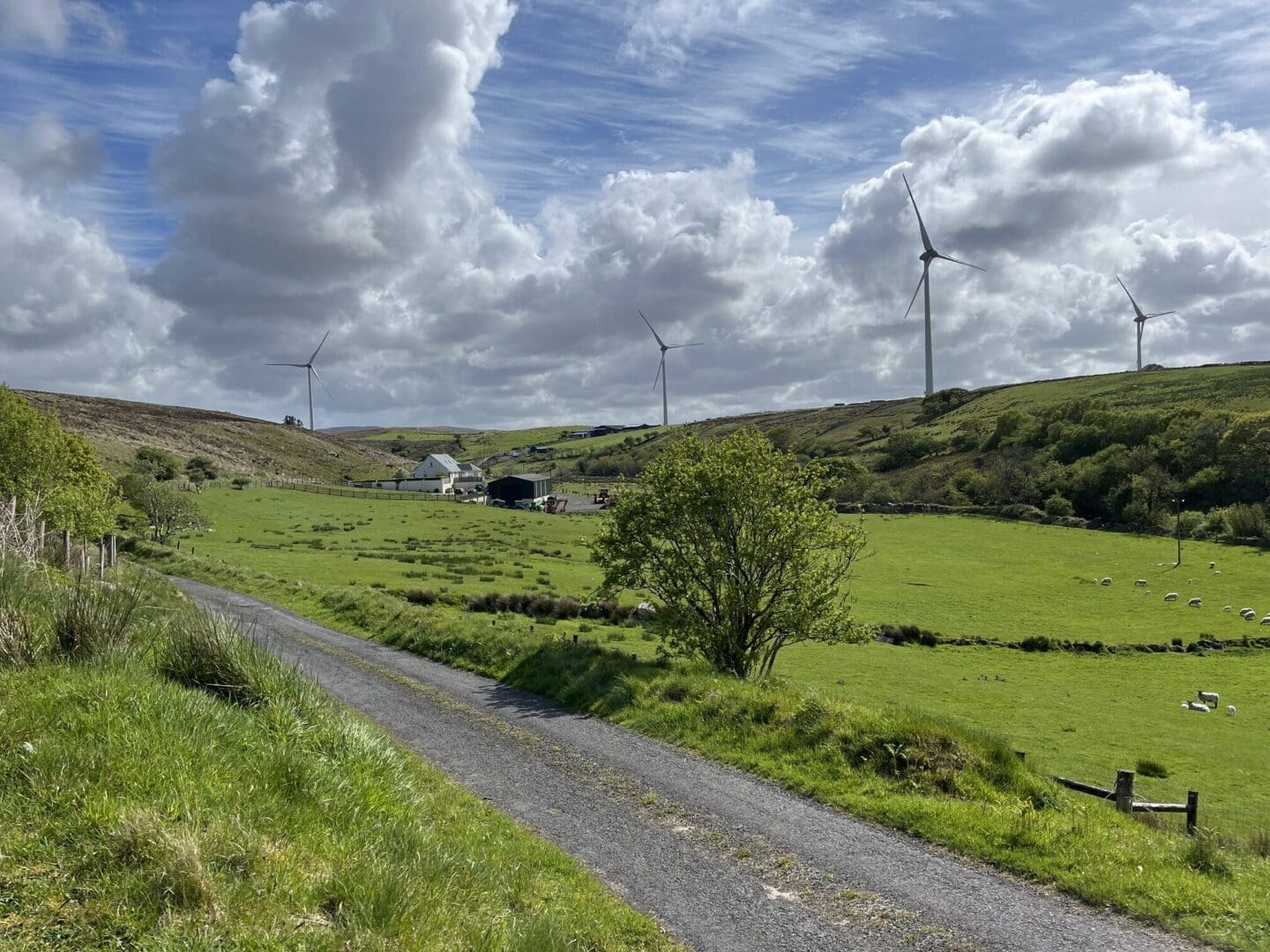
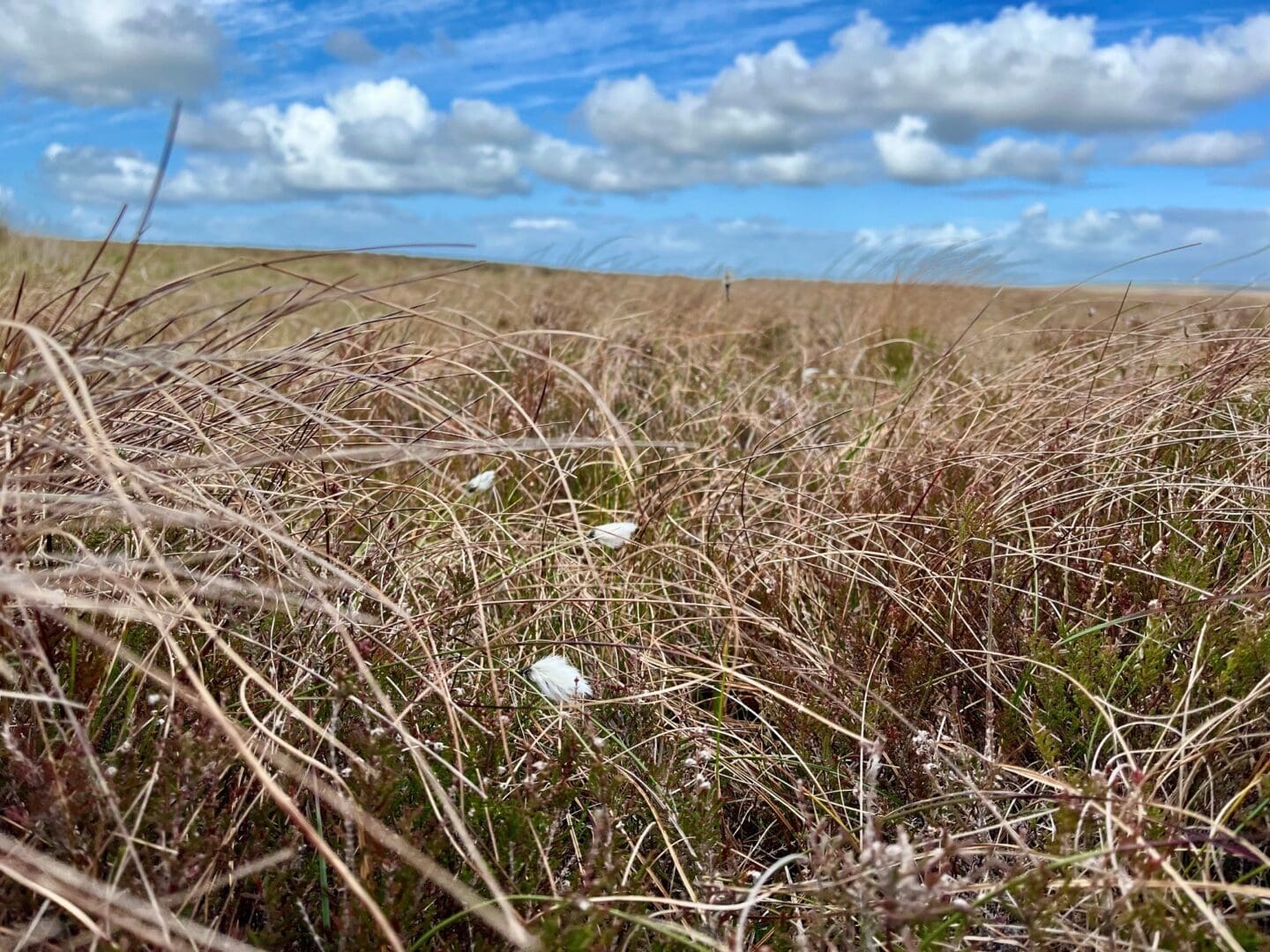
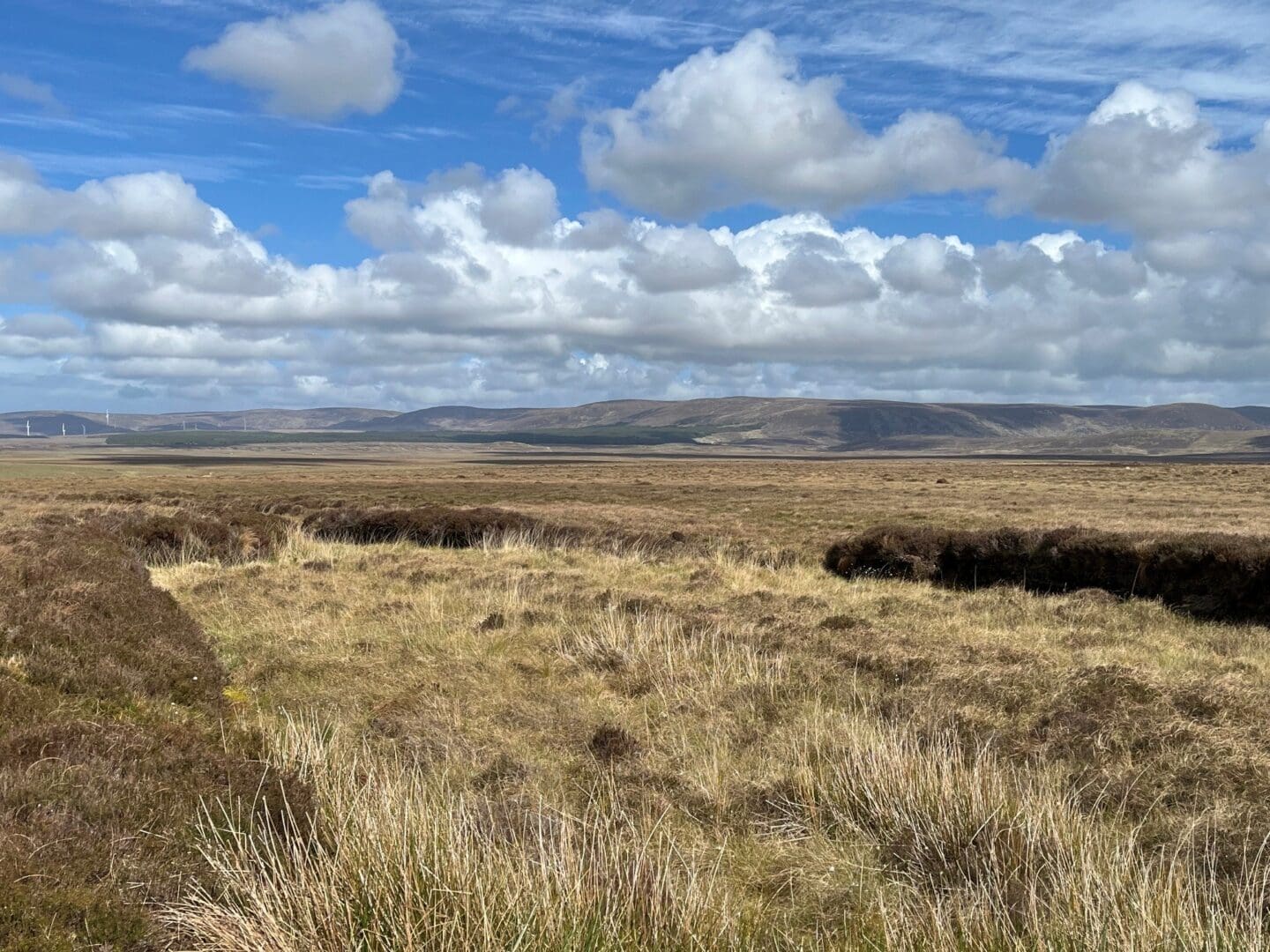
As part of her role Lisa works with the farming community in her area and is delighted to see farmer engagement in ACRES is starting to pay dividends on farms. “Today we are on the farm of John Hallinen in the Ox mountains; an Area of Special Conservation.” she explains. “John is a sheep farmer, and he has incredibly positive outlook on the scheme. He has said himself that he can see the difference from his year 1 to year 3 scoring. By adjusting the management of the grazing of his sheep and moving them on his peat lands from spot to spot is preventing overgrazing.”
3. Results Based Payments and Scorecards
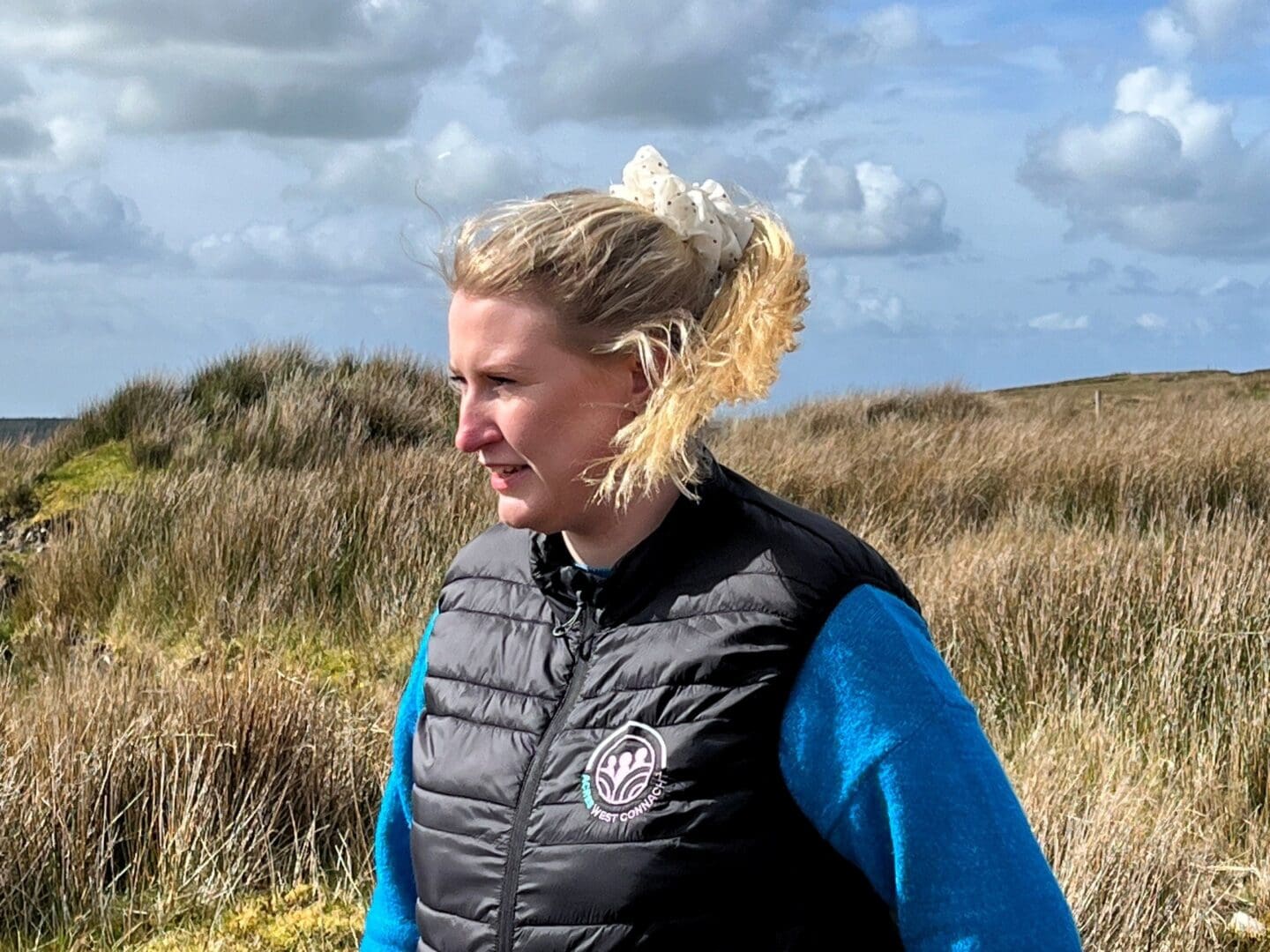
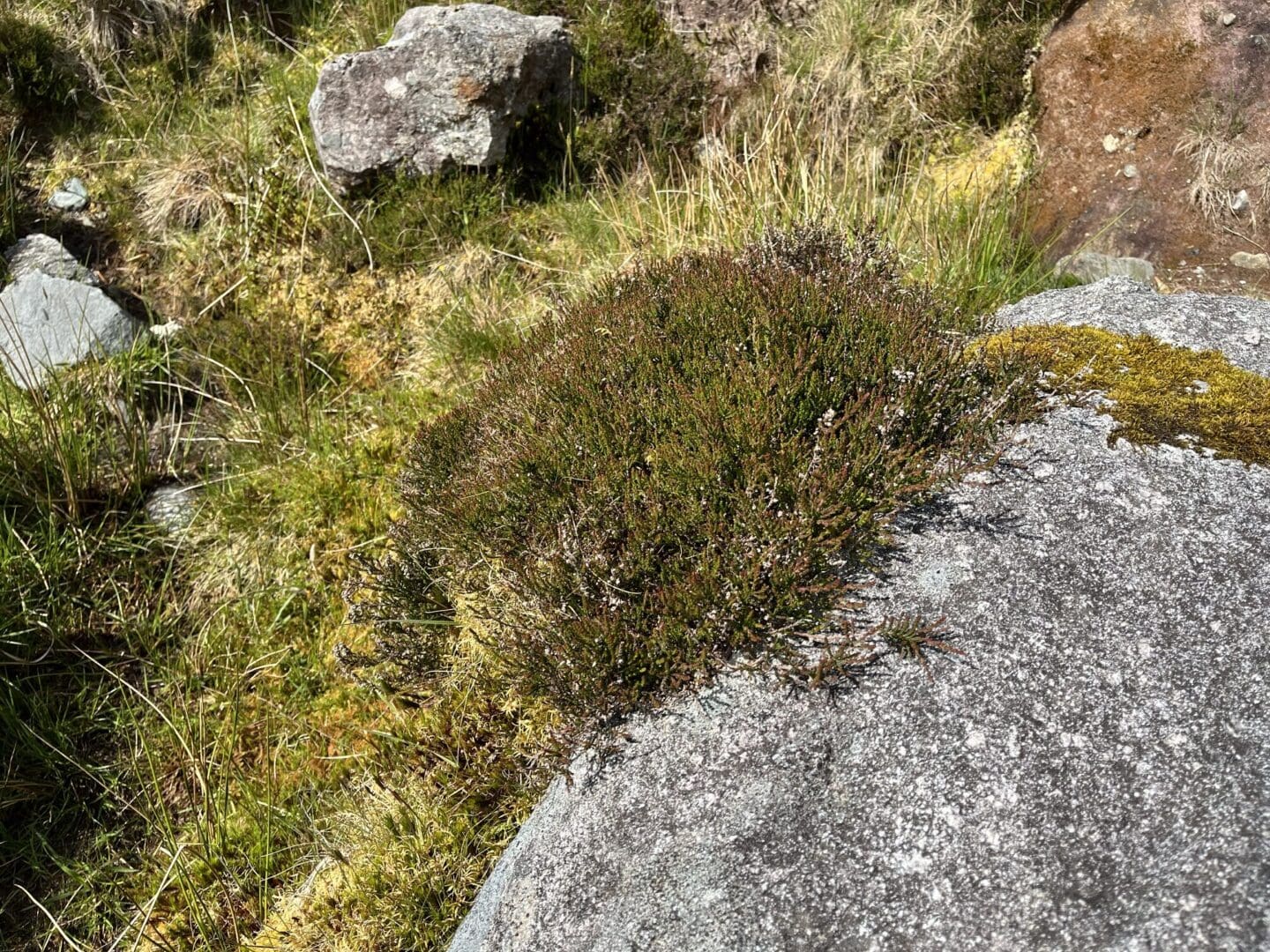
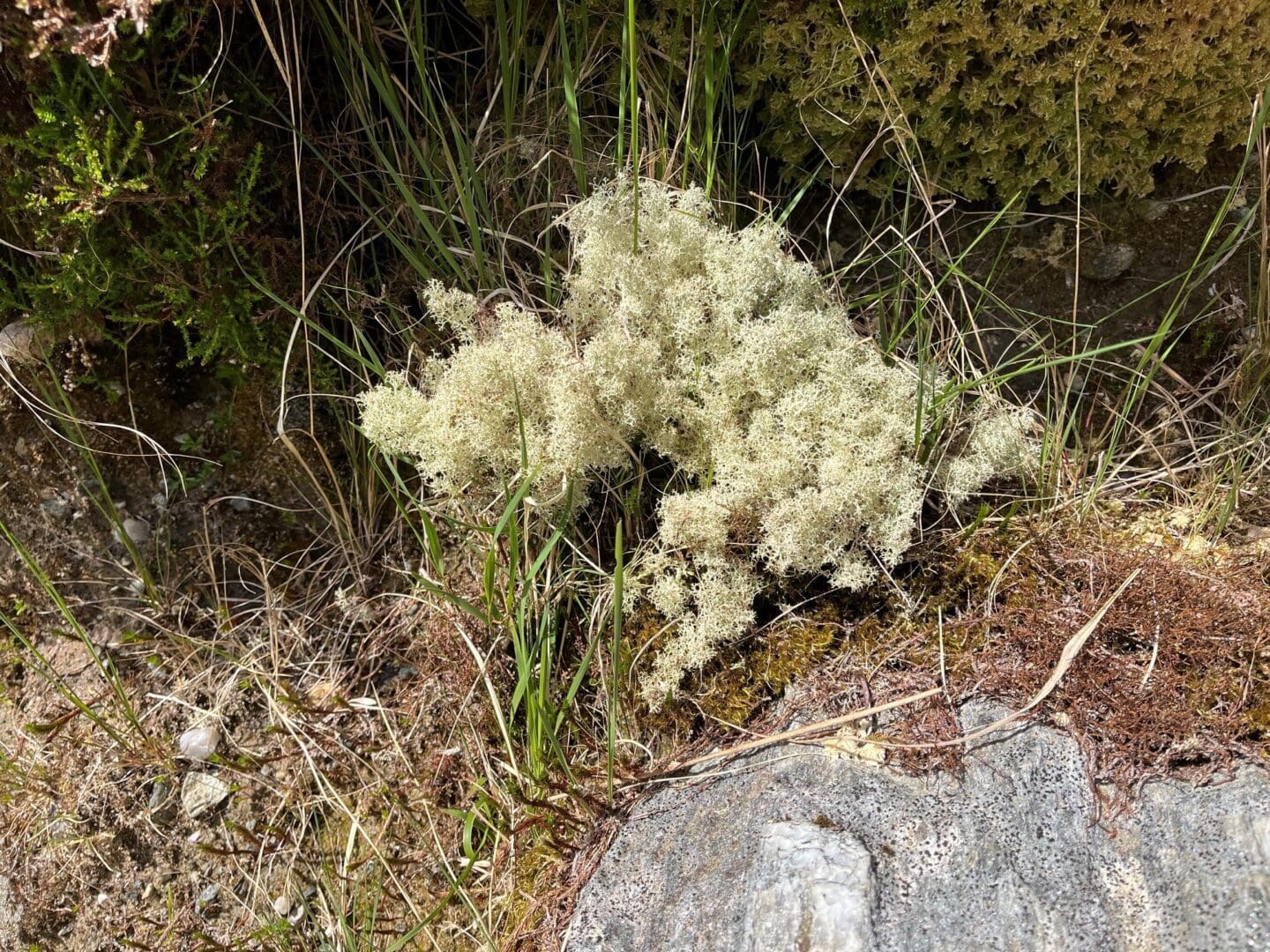
As ACRES is a results-based payment scheme, scorecards are very important for controlling biodiversity assessment standards across farms. Agriculture is taking place in a variety of landscapes in Ireland, and so there are a variety of scorecards available to advisors. “Rather than having one scorecard for the whole country, there are 10 different scorecards depending on the environmental assets or the area,” Lisa says. “The species that you'd find in peat land are completely different to the species that you'd find in grassland. Many species are niche to their habitat.”
Another part of Lisa’s role giving training on ACRES Scorecards to local advisors and ensuring that assessment standards are maintained. “We do scorecard verifications to make sure that the training we give advisors is accurate, so the farmers are getting real time information. It also allows us to collect real time information on the valuable environmental assets in our area.”
4. Non-Productive Investments and Landscape Actions
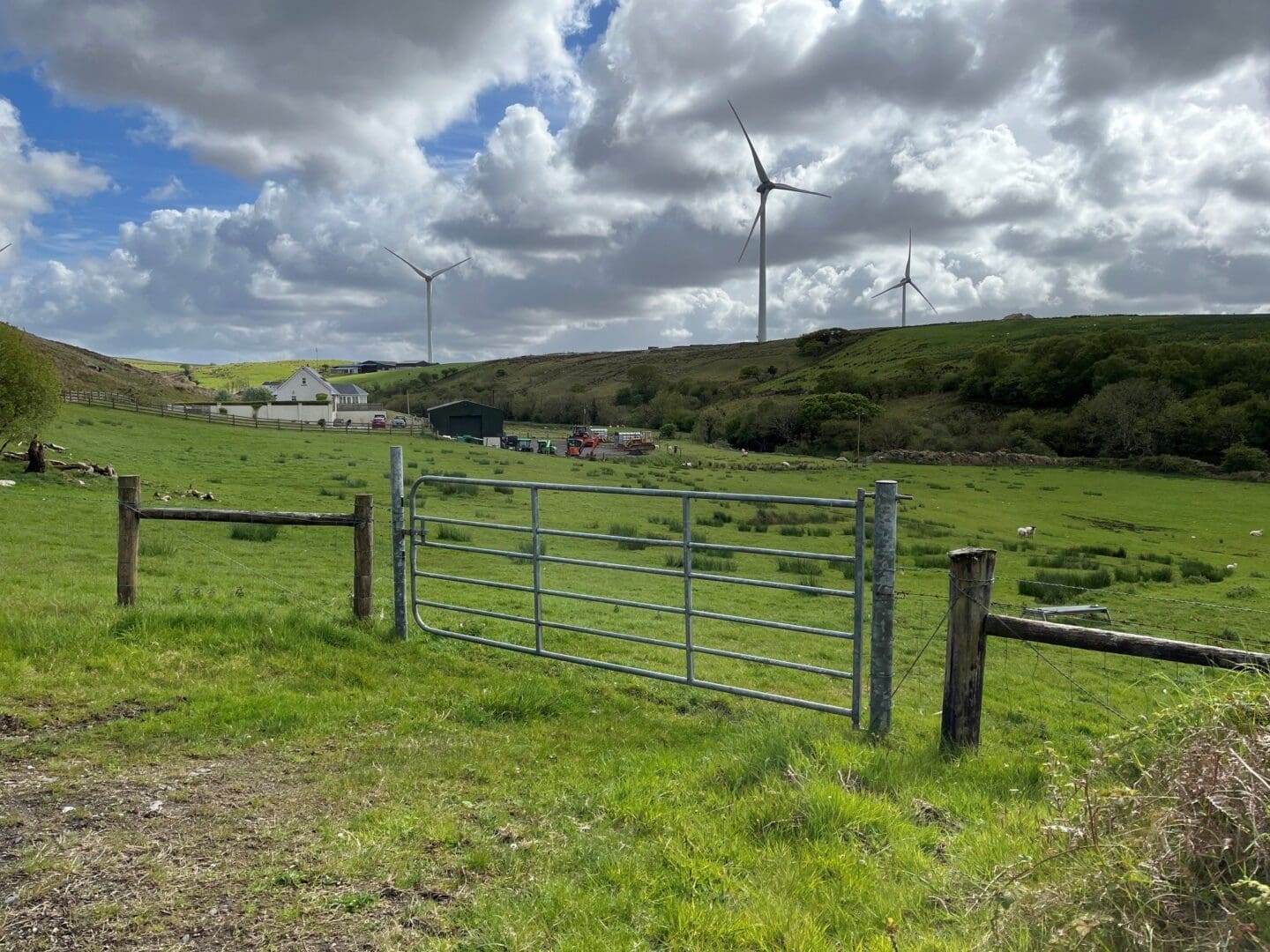
Besides scorecards, other features of the results-based payments nature of ACRES are Non-Productive Investments (NPIs) and Landscape Actions.
NPI’s address environmental issues at the farm level and directly contribute to environmental objectives or increase the farmers capacity to improve field scores through management.
Landscape Actions (LAs) are large scale actions are targeted measures that focus on issues such as invasive species management, encroaching scrub, threatened species and water quality protection, thereby offering benefits to the local environment. Landscape Actions target environmental issues, highlighted in the scorecards for results-based payments and can contribute to a reduction in the score achieved by landowners. Targeted implementation of these actions will hopefully improve the results-based score achieved on fields and commonages in coming years lead to an increased payment for landowners.
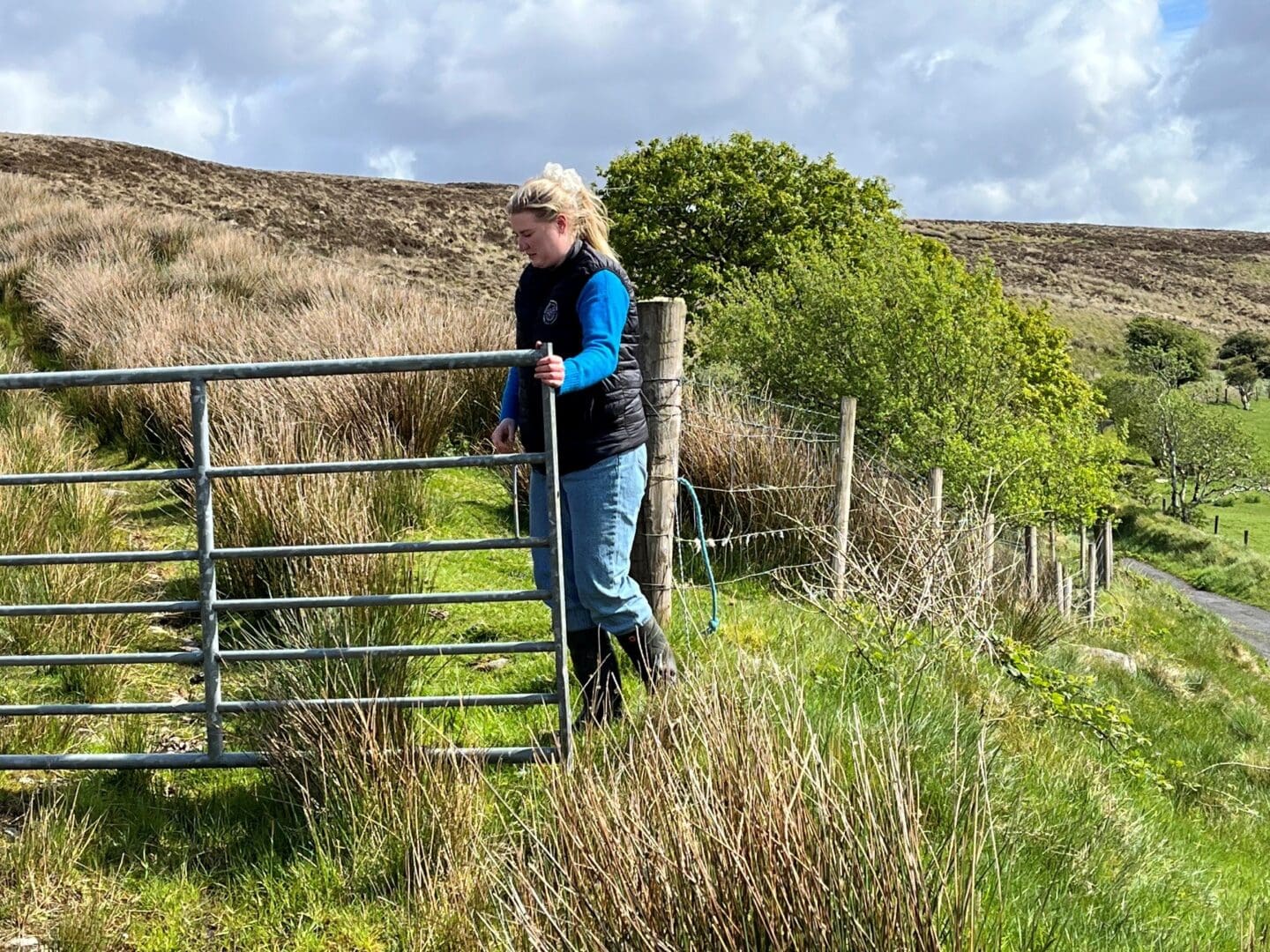
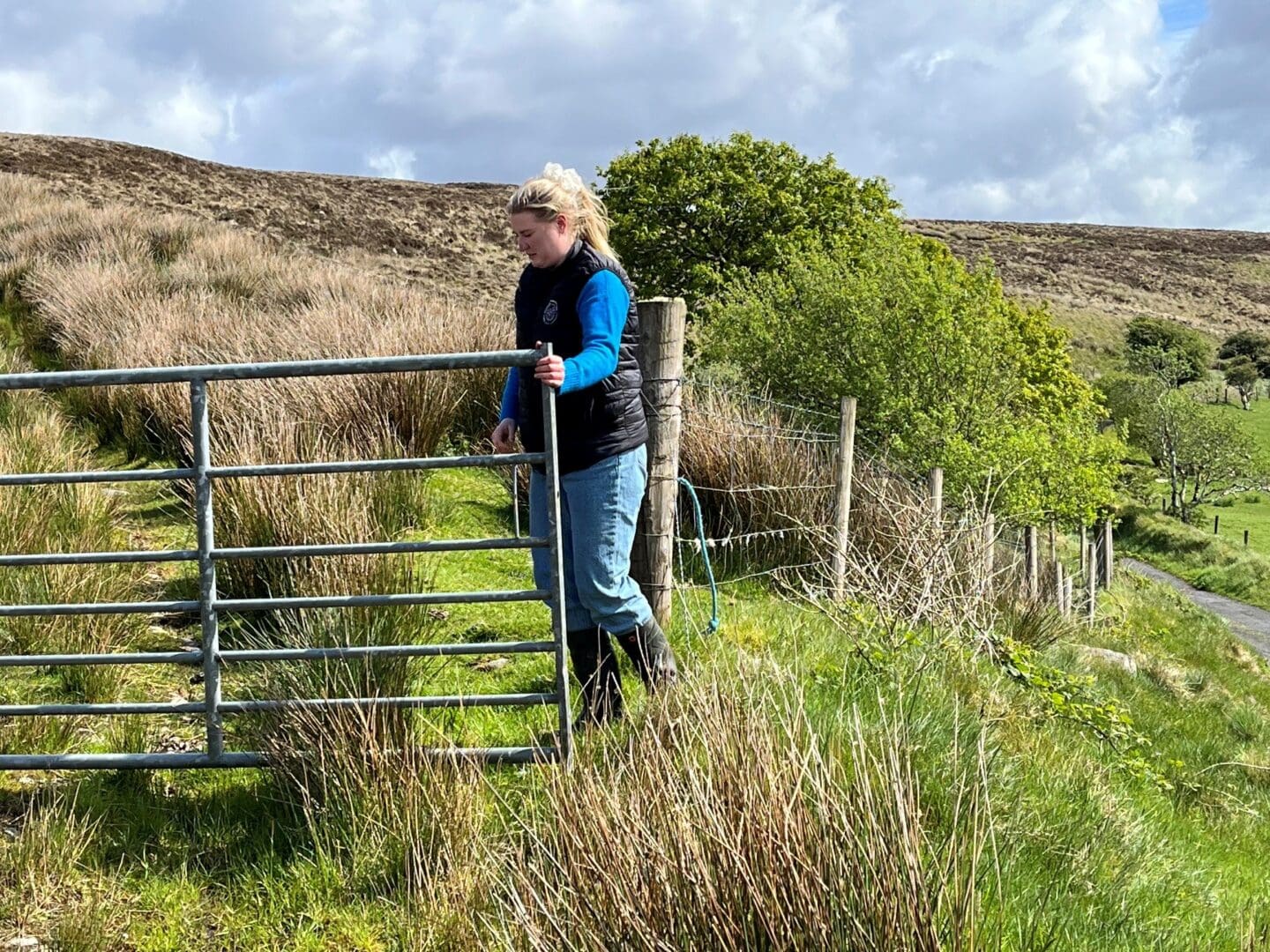
“Non-productive investments and landscape actions are extra money that farmers can apply for through the ACRE scheme.” says Lisa. “These infrastructure actions, such as fencing or the installation of gates, can help improve their score. Farmers can also apply for funding to remove invasive species, and this also improves their scorecard results.”
5. Securing a Future for Marginal Farms
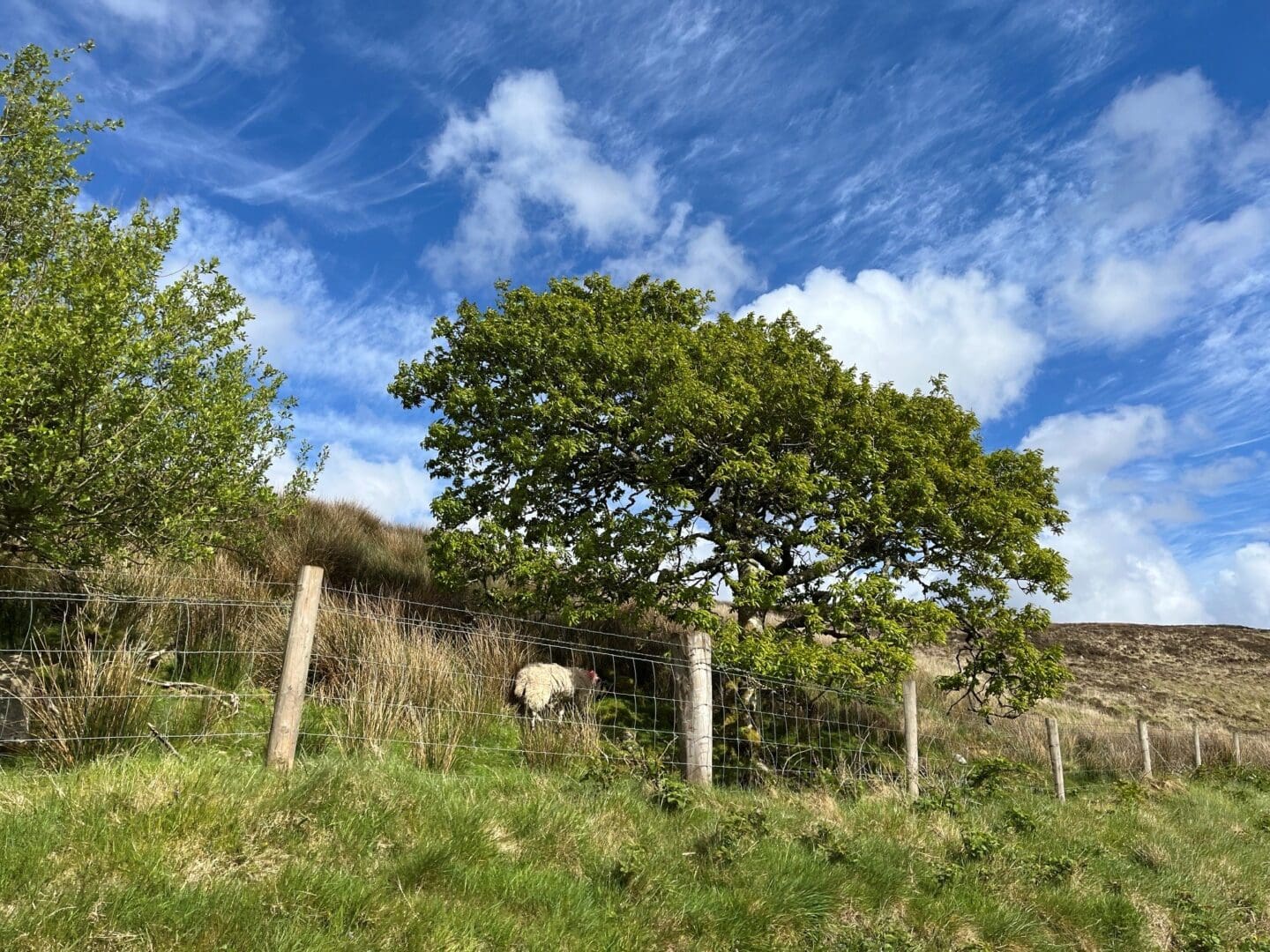
Lisa has seen firsthand the benefits of ACRES for both biodiversity and for the viability of farms on marginal land. “We've been able to see real time reward for farmers making changes that are not just environmentally important but also allow farmers to continue to graze and manage their and as they see fit,” she explains. “It's an incredible income, rewarding farmers that are actually working with the environmental assets that they have. It's positive to see that there are younger farmers coming through and young families coming back to the West. I would like to see supports for farmers to protect environmental assets on their land to continue in the next CAP.”
"I think there's a positive outlook for the agricultural sector in the future, especially if there are income supports that enable young people to come back to areas where they had left previously.”
7. Image Gallery