Kyrie Farm: Cultivating Wellness by Integrating Organic Horticulture with Recovery-Oriented Mental Health Care
1. Introduction 2. Where it all Began 3. The Ongoing Quest to Fund Hope from Grief 4. Developing the Farm 5. A Pioneering Therapeutic Approach 6. Cooperating for Change
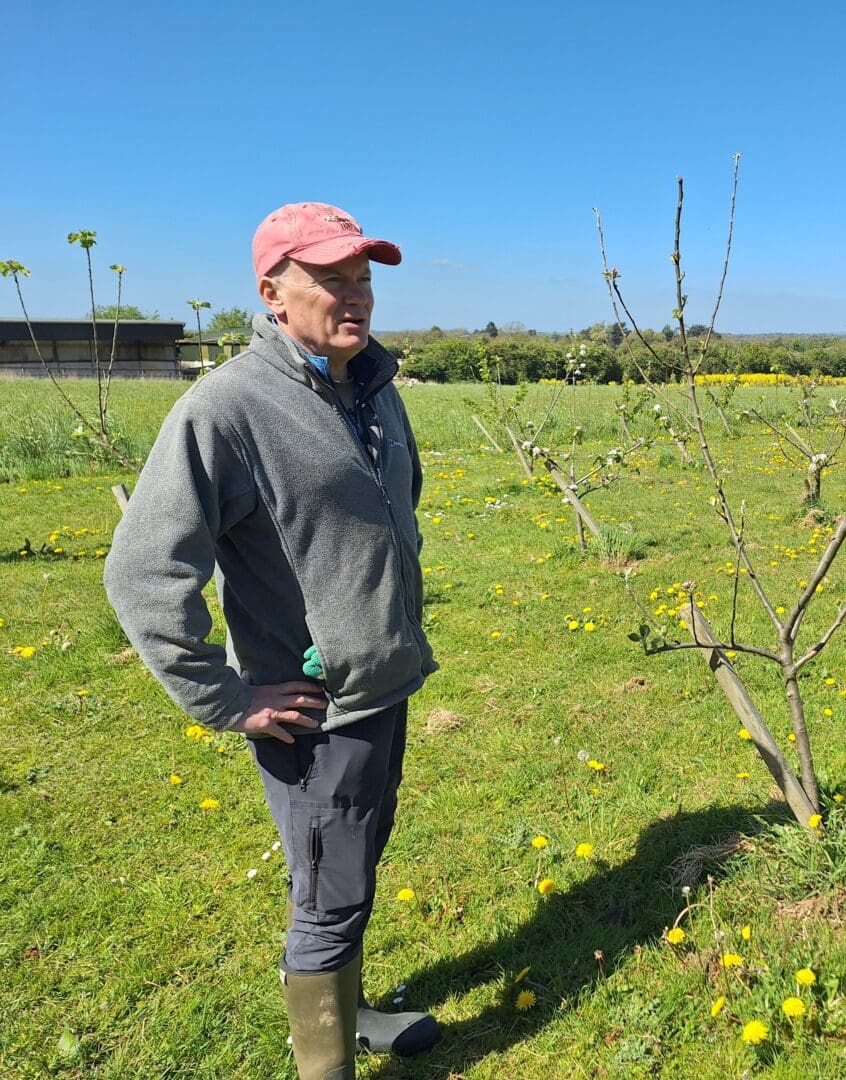
Name:
Kyrie Farm (John & Vicky McKeon)
Location:
Ardclough, Co. Kildare
Farm Type:
Organic Horticulture & Therapeutic Farm
Participating Schemes:
Basic Income Support for Sustainability (BISS) Scheme, Organic Farming Scheme, Areas of Natural Constraint (ANC), Eco-Scheme & CRISS.
Farm Size:
23 hectares
1. Introduction
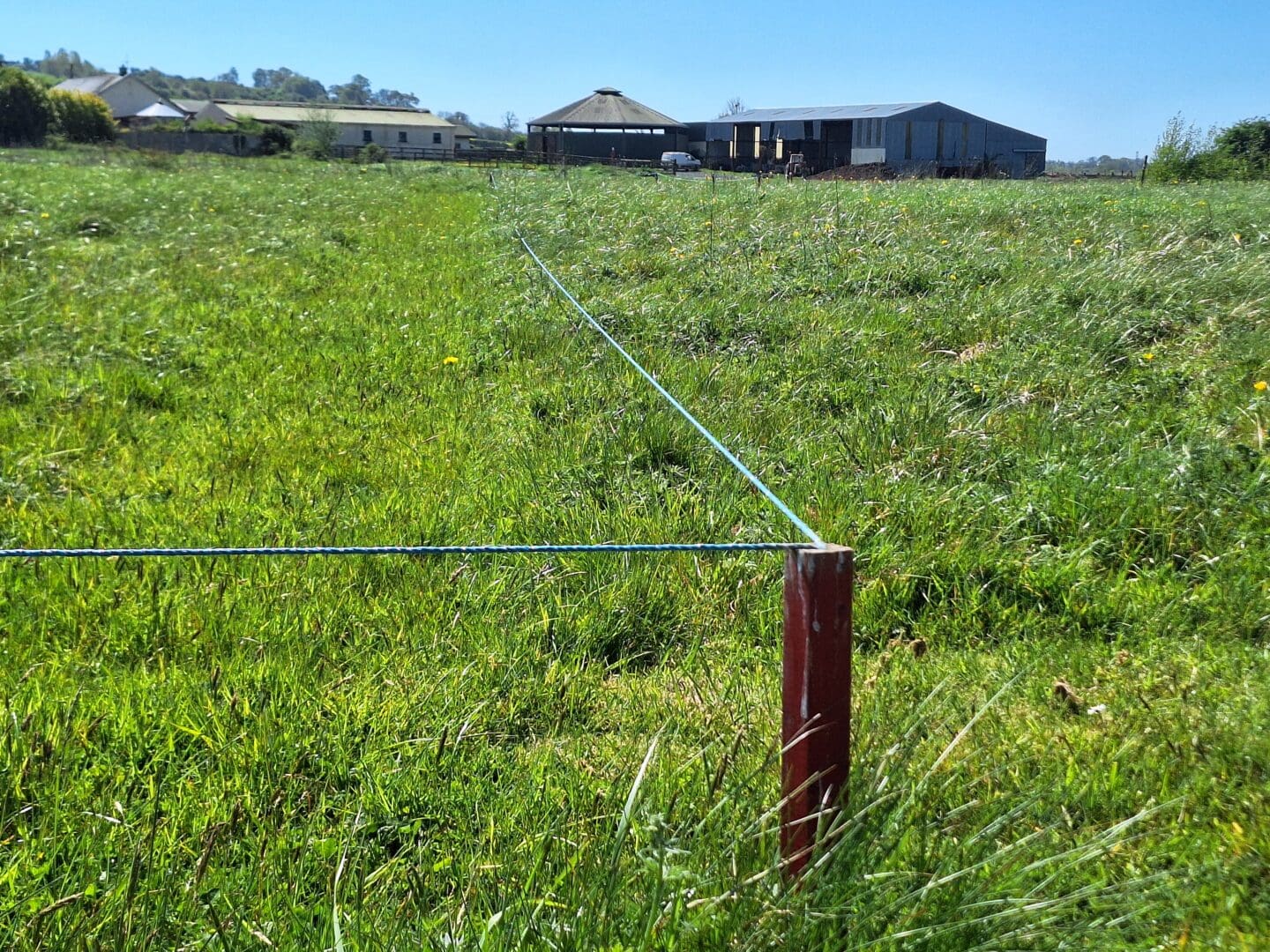
Tucked away down a quiet lane in the bucolic pasturelands of County Kildare, less than 20 minutes from Dublin’s M50, is Kyrie Farm, a working organic farm on 57 acres (23 hectares), with a vision to become a residential therapeutic community farm supporting mental health recovery and wellness in Ireland.
Conceptualised by John and Vicky McKeon, following the tragic loss of their son Kieran to suicide in 2013, this growing organic horticulture enterprise is currently evolving into a state-of-the-art step-down psychiatric community care service.
2. Where it All Began: The Story behind Kyrie Farm
Meandering along the scenic pathways of the Camino de Santiago in 2019, John and Vicky McKeon had a moment of inspiration. Their son, Kieran, had tragically died by suicide in 2013, at the tender age of 18, following a prolonged viral infection which resulted in symptoms of chronic fatigue, depression, and anxiety. Kieran’s death had changed their lives forever.
Through grief and trauma, coupled with their lived experiences in seeking help for their son, they realised that ‘Ireland is missing a vital piece in its mental health system’. They painfully observed that part of what is lacking from the system is ‘a step-down service from the psychiatric hospital, and for some an alternative to the psychiatric hospital, a place for people to recover, and rebuild their capacities for independent living, employment and living their fullest life’, explains John. They envisioned treatment services delivered in the safety of a professional care team but embedded in a nurturing community and a healing natural environment.
John credits visiting therapeutic farms, like Gould Farm in the US, with opening his eyes ‘to what’s possible when you combine nature, community, and meaningful work with professional support’. The vision looks beyond the conventional biomedical and pharmacological treatment model alone, which still predominates mental healthcare approaches in Ireland.
Returning to Ireland, John and Vicky set about making the vision a reality. They founded a charity which purchased a 57-acre (23 hectare) former stud farm near Ardclough, County Kildare, in 2021, established an organic horticulture enterprise, further developed the land into a healing natural environment, and planned and designed a therapeutic farm for mental wellness. With abundant drive, passion and care, the couple have persevered in their efforts to actualise this pioneering development, which is now well underway.
3. The Ongoing Quest to Fund Hope from Grief
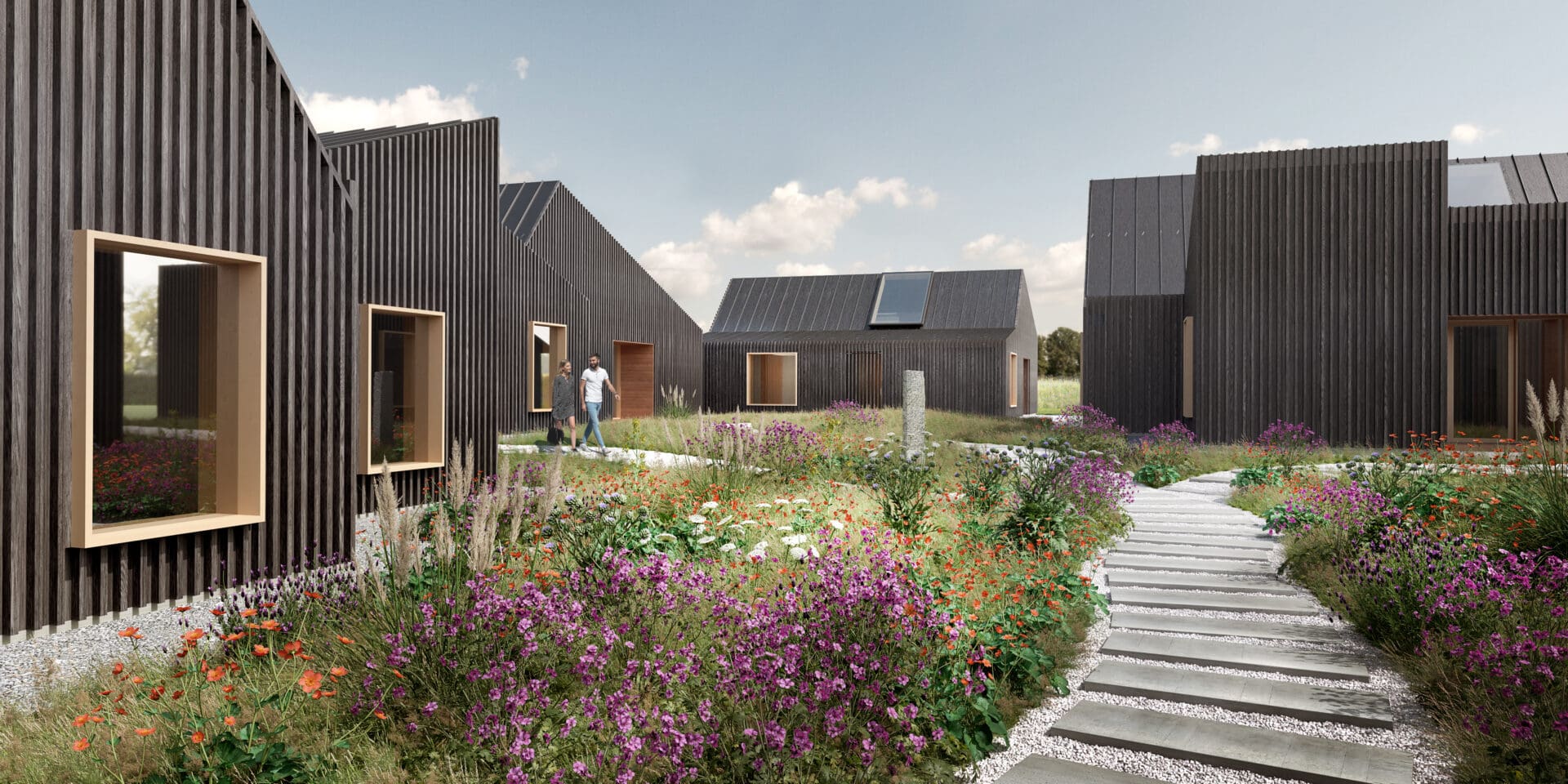
A CGI Model Plan of the Kyrie Farm Therapeutic Centre
Kyrie Therapeutic Farm CLG operates under the guidance of a highly qualified, extensive voluntary Board of Directors and advisors comprising psychiatrists, social care workers, business leaders, financial experts and more.
The project received a generous initial philanthropic donation of €2 million, which was used to acquire the land and draft the plans, and has since raised a further commitment of €1.25 million in funding. The 40-bed residential and therapeutic complex is now ‘shovel-ready’ with full planning permission having been secured from Kildare County Council and An Bord Pleanála.
As Ireland sits amongst the lowest-ranked countries in the OECD for the availability of mental health care beds, and with services under extreme strain due to underfunding, the need for urgent solutions is paramount. Drawing on the proven track record of therapeutic farms in the US and elsewhere, this pioneering development is now ready to go to tender and has entered the next phase of its funding journey as it seeks strategic funding partnerships with government departments, philanthropists, and corporate donors to achieve the €30 million capital cost investment required to complete the project.
4. Developing the Farm: Organics, Sustainability & Biodiversity
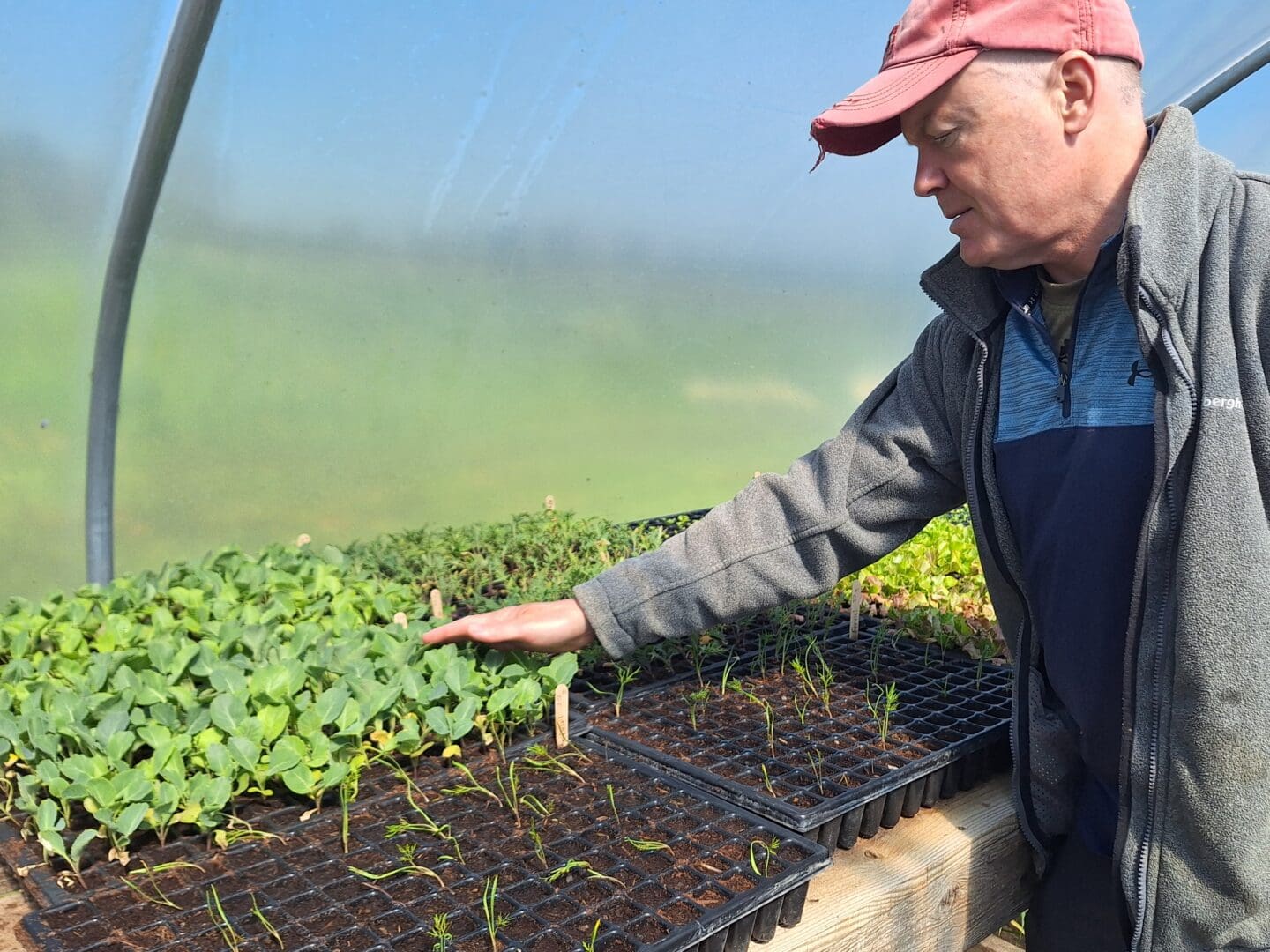
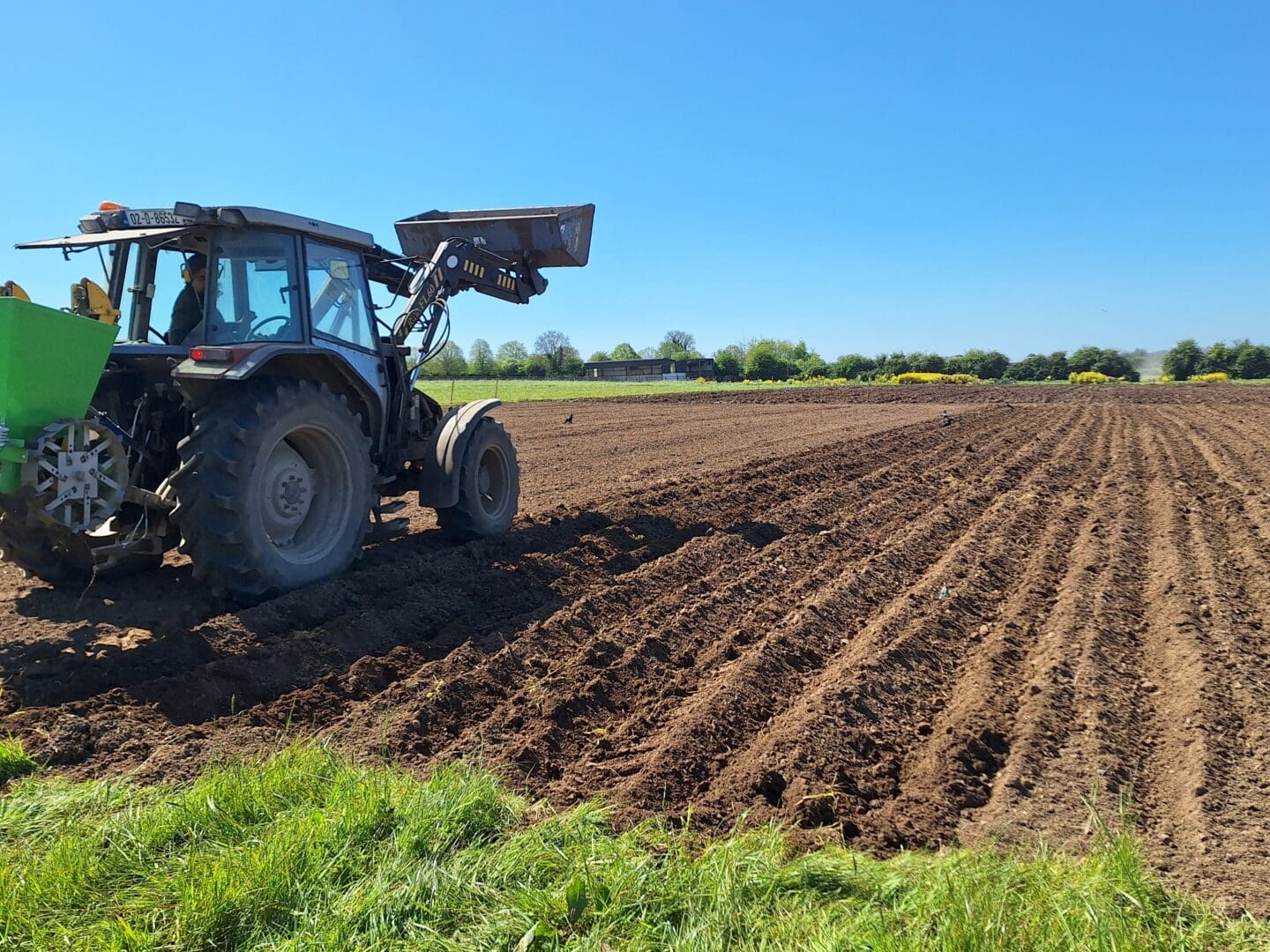
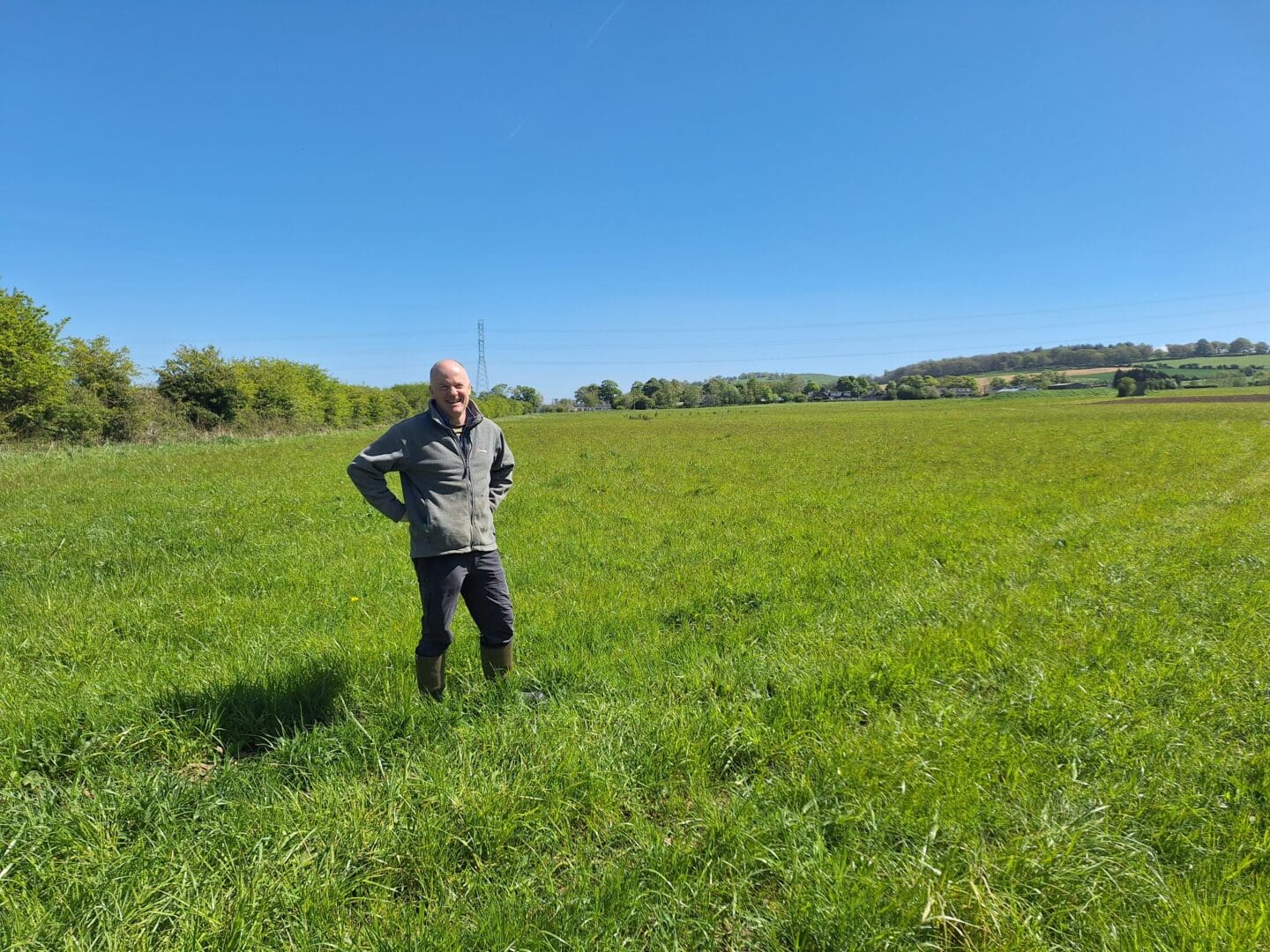
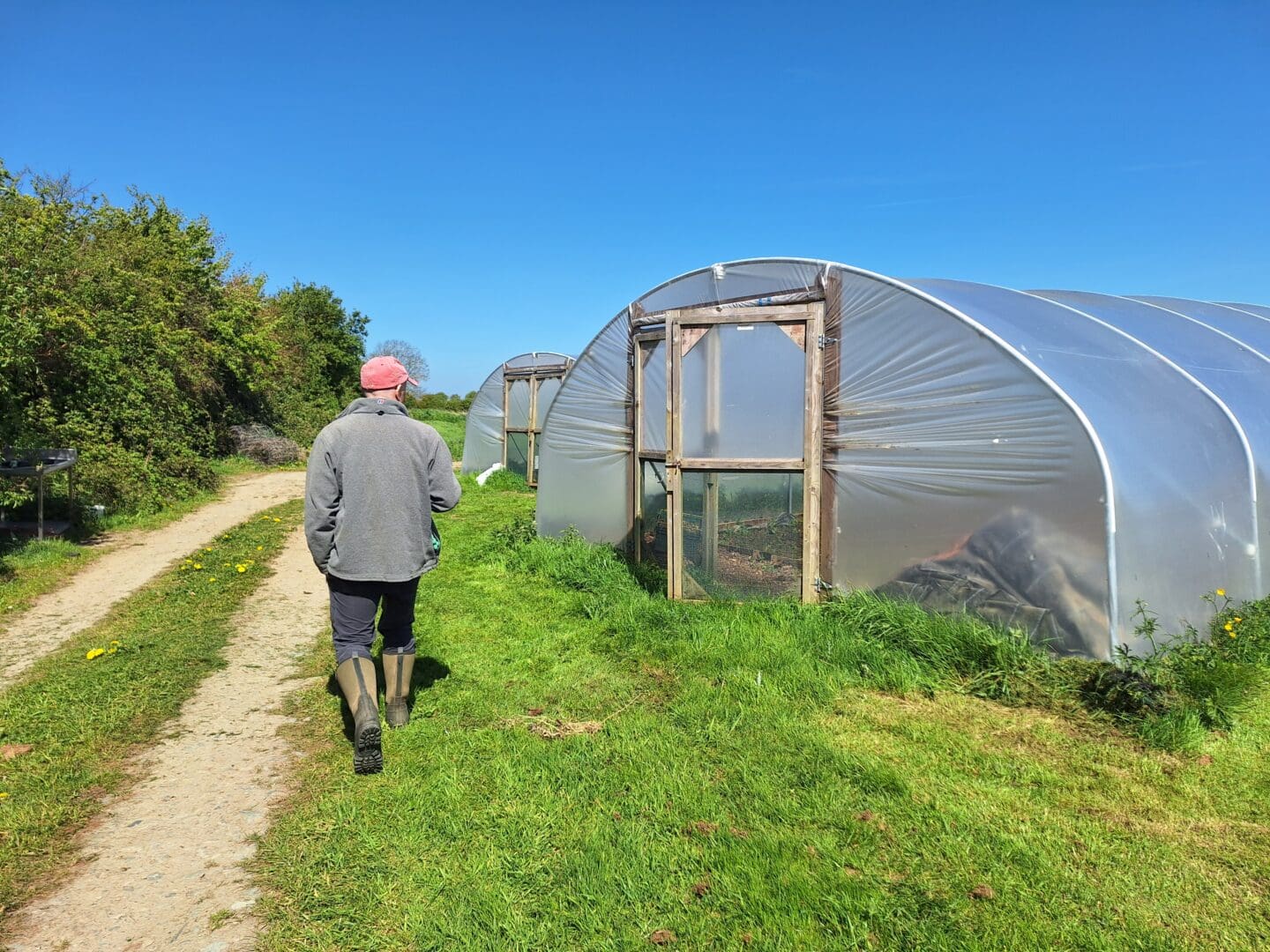
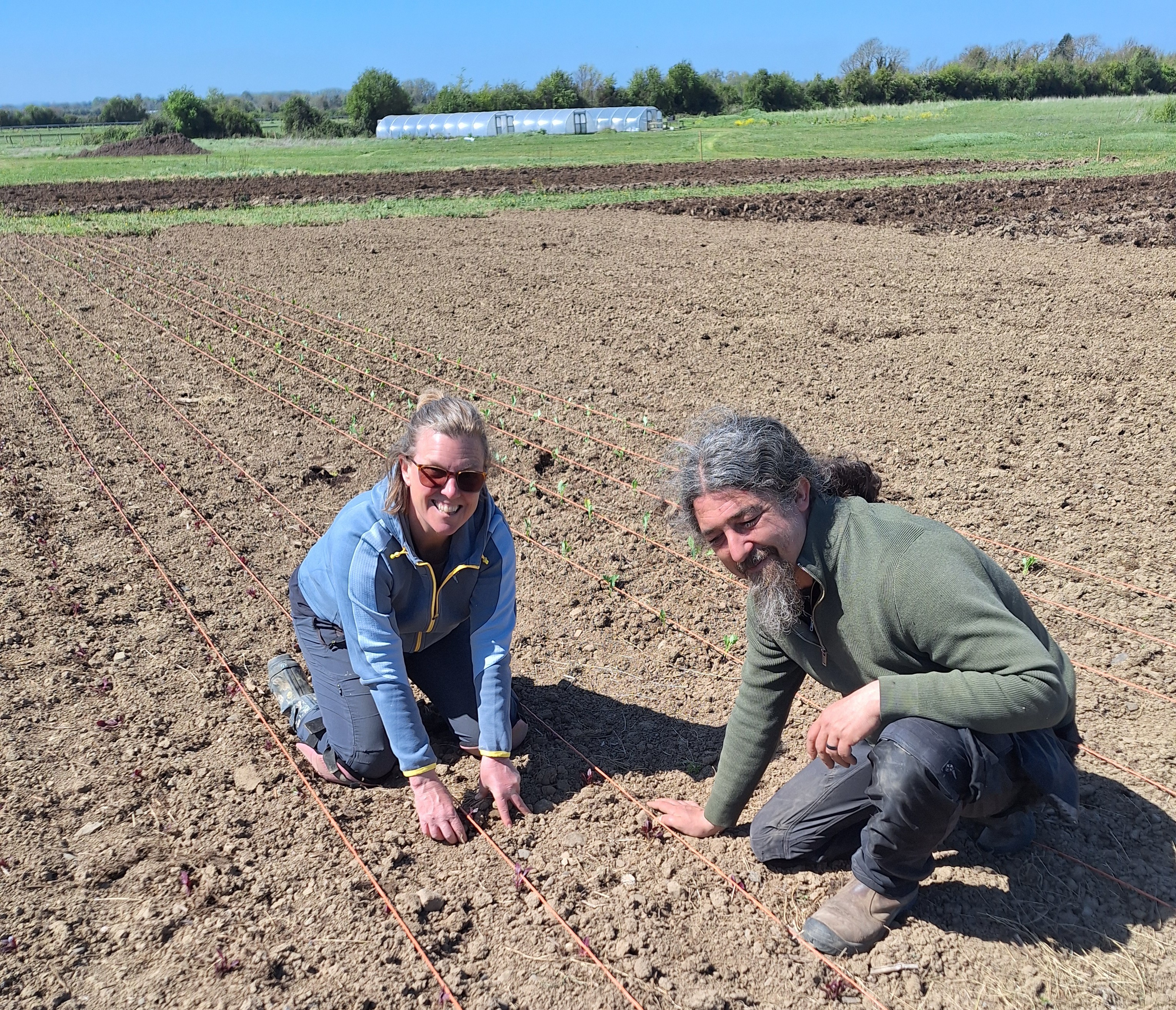
With supports available under the CAP Strategic Plan 2023-2027 such as the Organic Farming Scheme, the Eco-Scheme, and the ANC (Areas of Natural Constraint) scheme, the farm currently operates as a working organic horticulture enterprise, spearheaded by John and full-time horticulturalist Nathan Jackson, and aided by a network of local community volunteers. Certified fully organic and audited annually by the Irish Organic Association, the farm comprises native Irish grass from which organic hay is harvested each year. They currently produce approximately 50 bags of fresh vegetables per week, which are sold to customers in Kildare and Dublin. In the longer term, the farming team plans to incorporate a brood of 150 chickens.
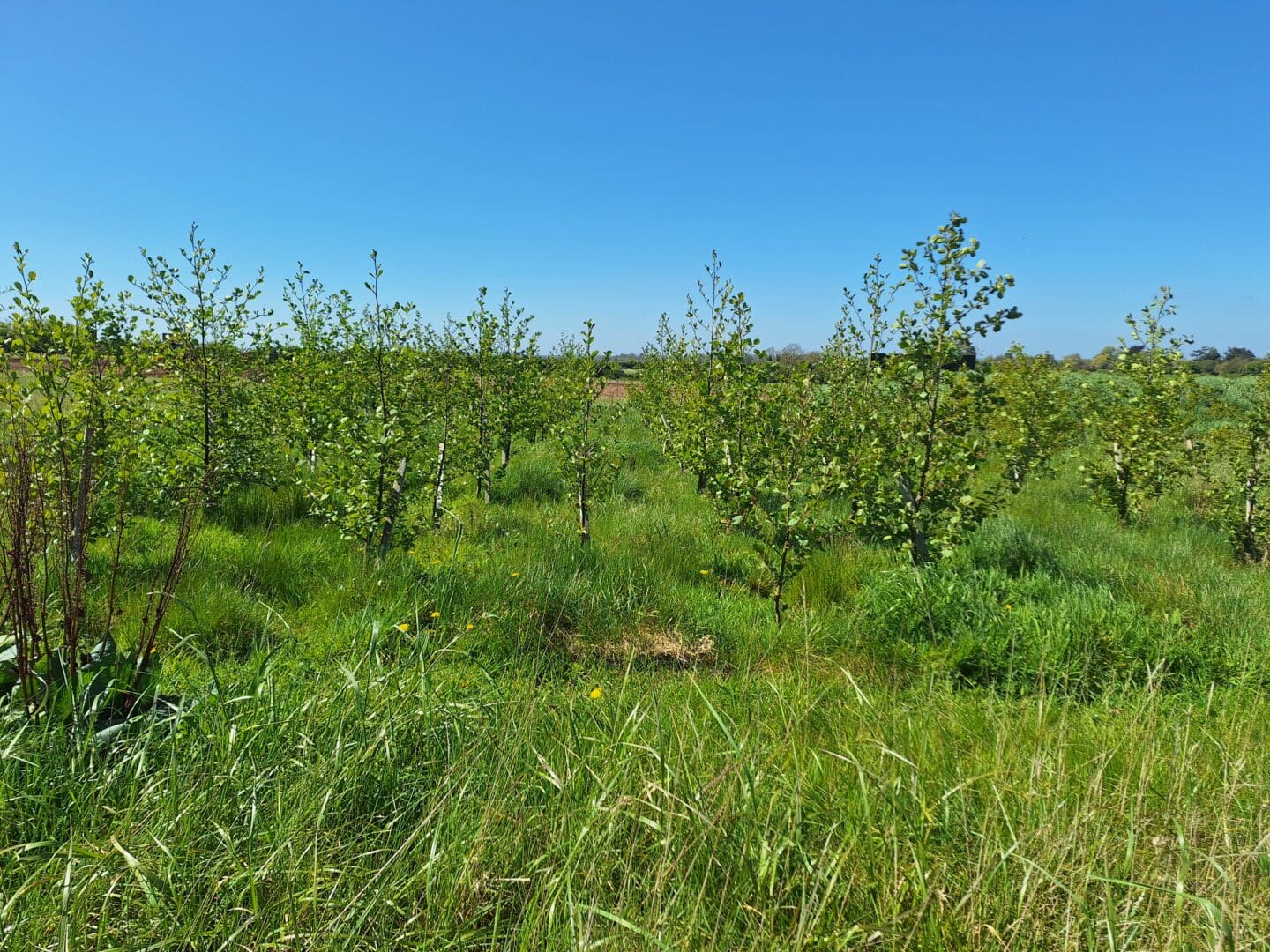
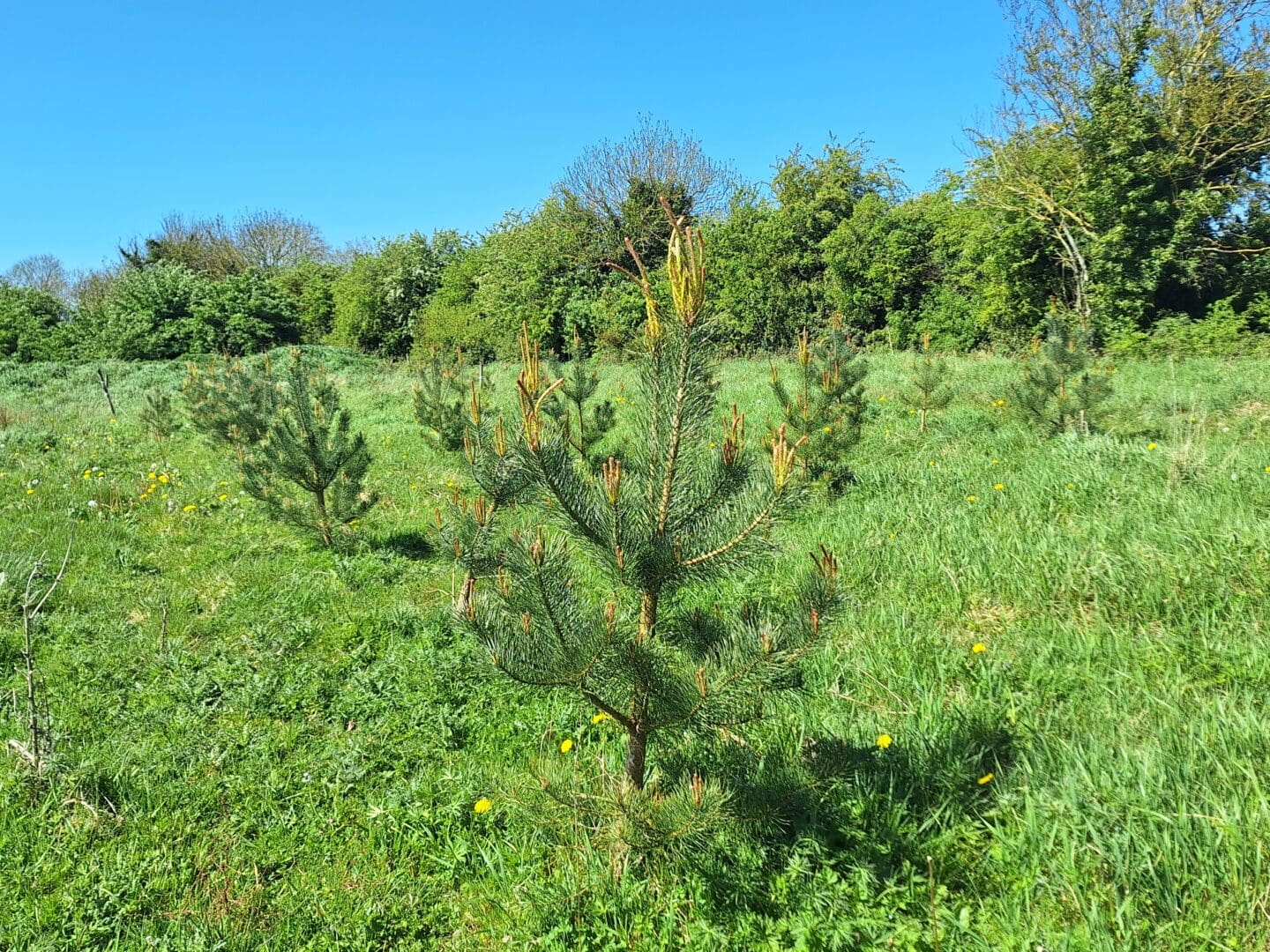
Sustainable practices and actions for biodiversity are a key cornerstone of the philosophy of the farm. ‘We try to work in harmony with the natural rhythms of the land,’ John explains. To date, 2,500 native trees have been planted on the farm, partly due to a generous donation of 1,000 trees from Coillte. Species include Scots Pine, Alder, Redwood and Birch. However, this is but a fraction of the intended number, with plans to grow a native woodland on site comprising up to 12,000 trees in total. The farm also aims to establish 2km of native hedgerow, much of which has already been planted. Looking ahead, two ponds will provide habitat for aquatic wildlife and birds, a growing willow plantation will provide rods for guests to engage in traditional basket-weaving, and two orchards that have already been planted will provide a harvest of seasonal fruits such as apples, pears, plums and nuts.
A strong volunteer network comprising 150 members of the local community generously donate their time, with 10-20 volunteers participating in farming duties one day per week, helping to ensure that the farm breaks even financially. John notes that volunteering on the farm offers a ‘special opportunity for people to come together’ and often sparks inspiring conversations about mental health. It helps to ‘normalise conversations around mental health in a very grounded, human way’. ’The opportunities for connection and relationship through working the land, and a connection with nature, are great catalysts for healing,’ he says.
5. A Pioneering Therapeutic Approach
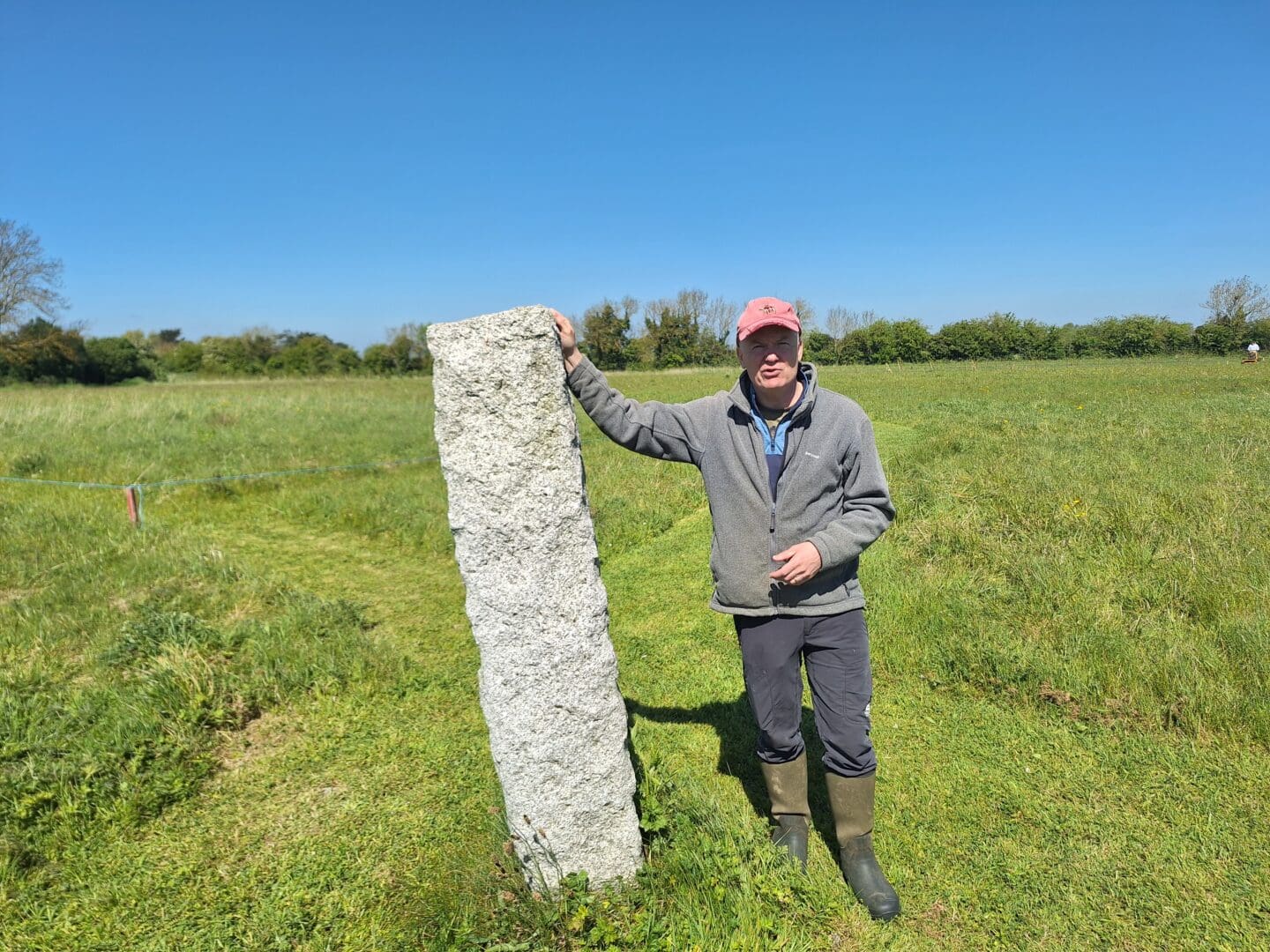
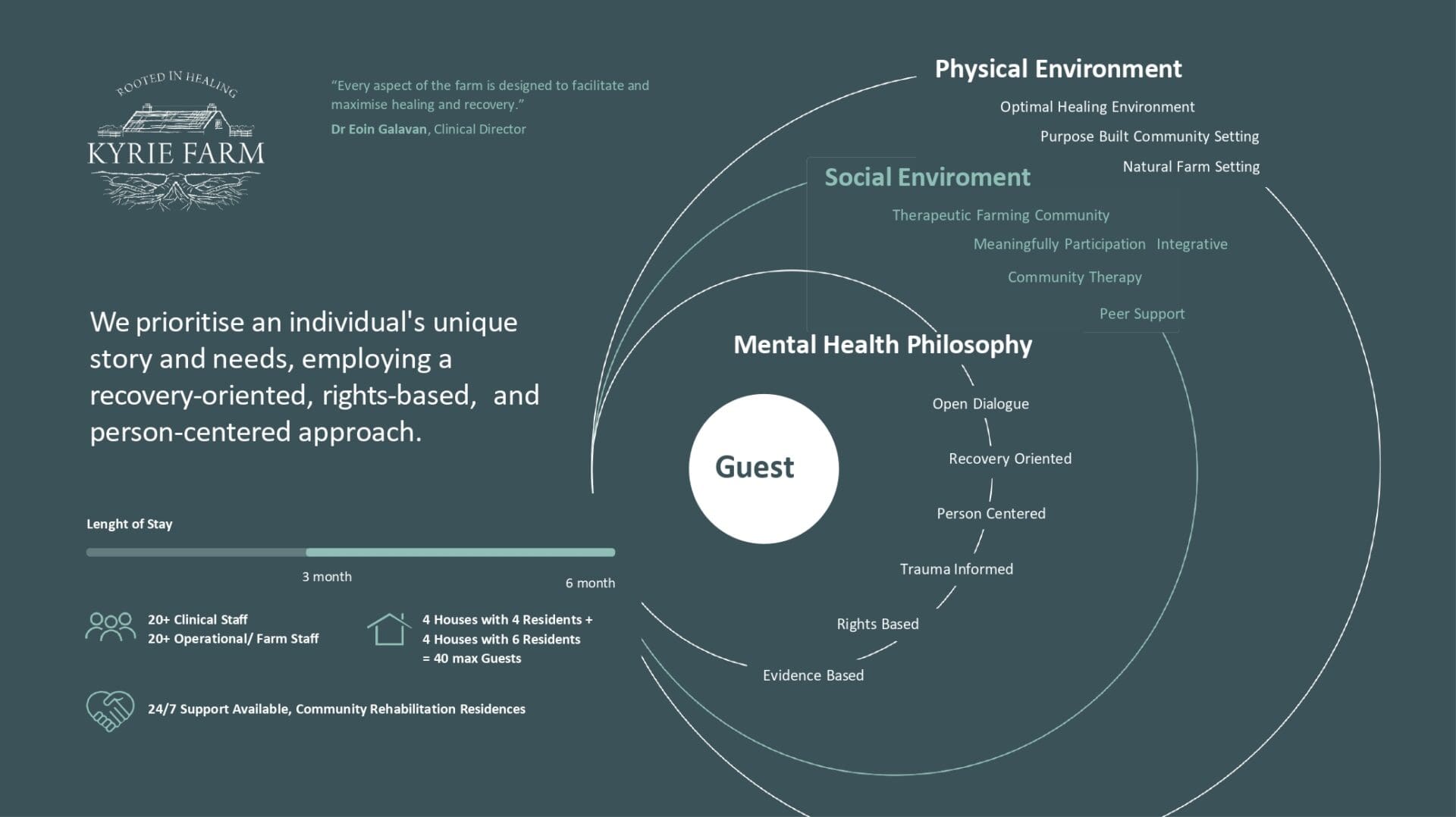
Centred around a 1500-year-old granite standing stone, which sits defiantly and proudly in the centre of the farm, forming a link to the historical ancestors of the land, the therapeutic centre will incorporate a complex of 8 residential units, catering for up to 40 guests at a time. A Therapy Centre will provide space for therapy rooms, community gatherings and dining, while a small additional building will house the administration team. A kitchen garden will complement the chef’s larder.
Clinical care, holistic therapy, and peer support for a wide range of mental health conditions will be provided, with residents staying for a duration of between 3 and 6 months. A multi-disciplinary team including psychiatrists, psychologists, occupational therapists, social workers, and peer support workers will offer a full suite of supports to guests. It is anticipated that once up and running, Kyrie Farm will employ up to 25 clinical staff and 25 non-clinical staff.
"The main challenge is that it’s a new model in Ireland, so it requires understanding, support, and investment. But internationally, the model is well established, so it’s really about bringing that into the Irish context"
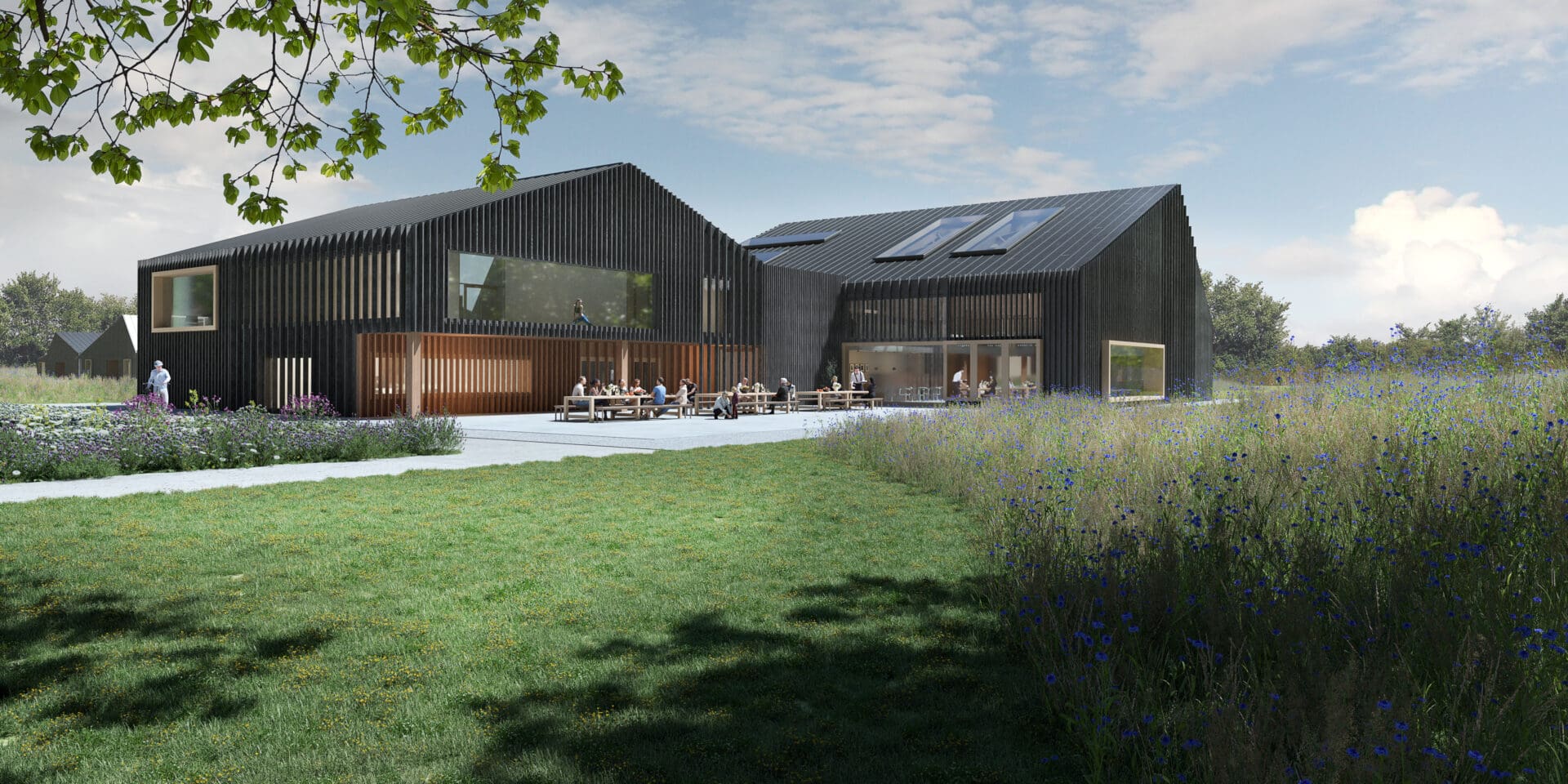
A CGI Model Plan of the Kyrie Farm Therapeutic Centre
In the broader context, the centre will operate as an integral part of the recovery support system in Ireland, acting as a step-down facility from acute mental healthcare and sitting within the HSE framework as a bridge between inpatient facilities and independent living.
The Farm will take a holistic recovery-oriented approach incorporating activities based on meaningful participation, community engagement, daily structure and authentic work outcomes. The approach seeks to build purpose, meaning, and relationships to engender a positive emotional feedback loop and build self-esteem. It aims to place the guest at the centre of their recovery, allowing them to make the choices that will best serve them.
‘Instead of being a passive recipient of care, you become an active participant in your recovery journey’. ‘There’s something deeply healing about participating in meaningful activities, being physically active and working with your hands, being immersed in the natural environment, and being part of a community,’ explains John.
6. Cooperating for Change: The Logic Behind the Development
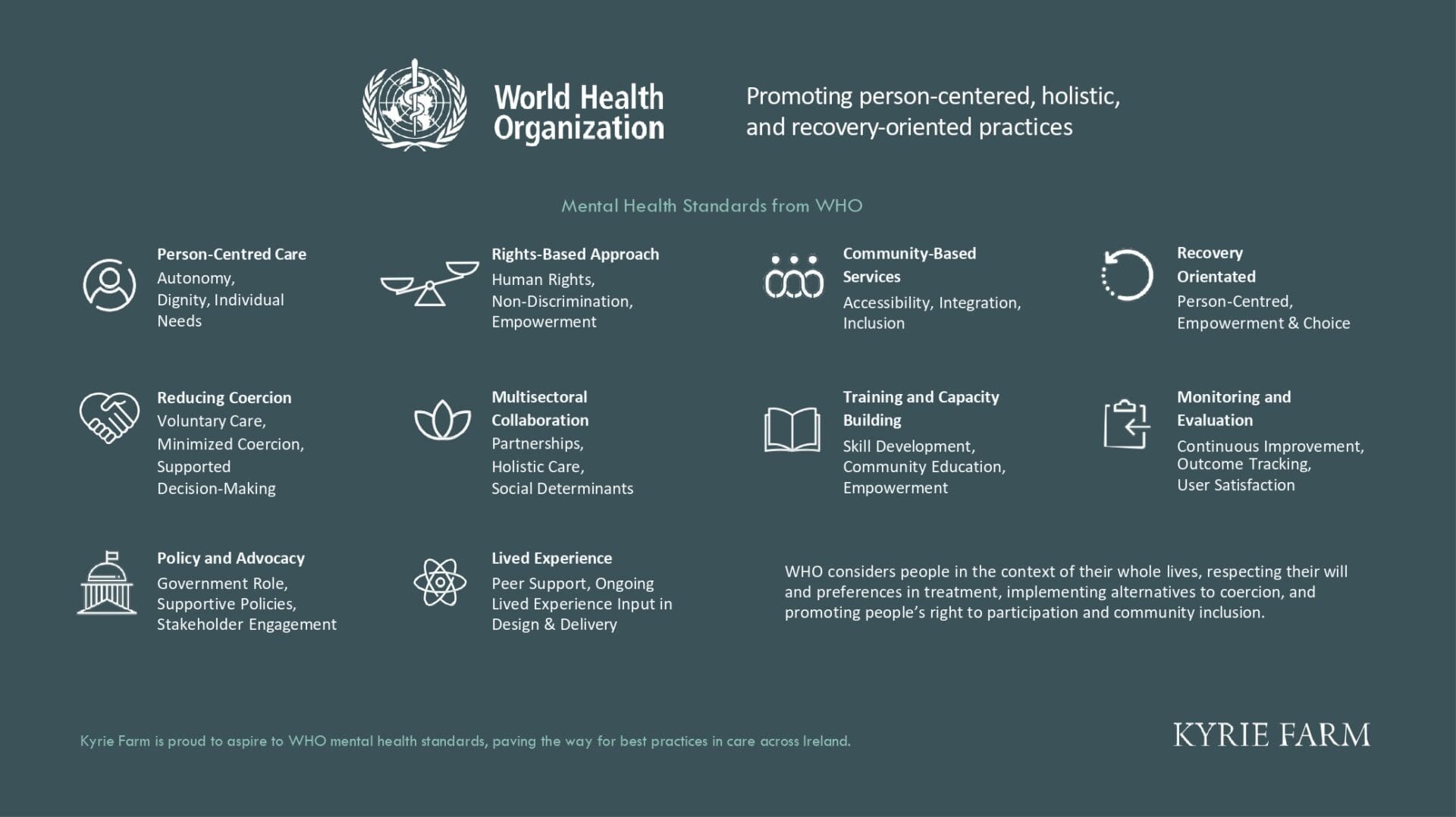
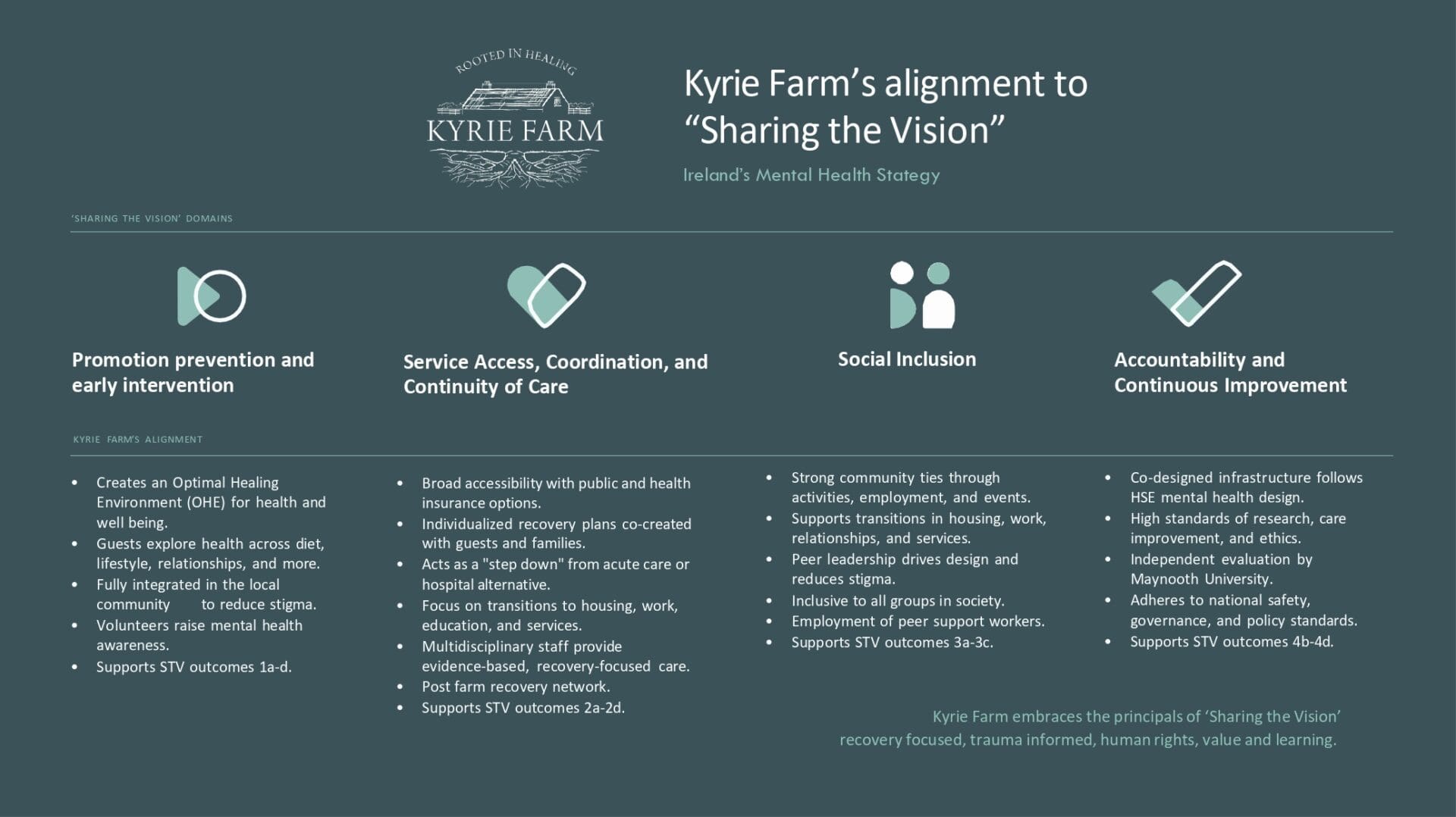
Aligning both with the WHO recommendations on mental health care service provision and with many of the objectives set out in the Irish Government’s ‘Sharing the Vision: A Mental Health Policy for Everyone’ strategy, the development of Kyrie Farm aims to help bridge a major gap in existing mental health care services in Ireland.
Working closely with Maynooth University and Gould Farm in the US on both planning and operational practice research will ensure that the therapeutic approach remains fully evidence-based. The Service Delivery Committee of Kyrie Farm is comprised of a highly skilled group of psychiatric doctors and professionals, headed up by Clinical Lead Dr Eoin Galavan, a Clinical Psychologist with the HSE. As John notes, ‘collaboration with the HSE, community mental health teams, and the hospital sector is essential. The farm is designed to complement and integrate with existing services. We have already had many visits from mental health teams from around the country to start building those relationships.’
The Therapeutic Farm is expected to create 50 jobs once up and running, and if successful, it is anticipated that the model could be replicated across the country creating up to ten more therapeutic farms. At a capital cost of €30 million to complete the project, the charity is seeking multi-departmental government funding, philanthropic support and corporate donations.
A CGI Model Plan of the Kyrie Farm Therapeutic Centre
‘With the right government support, this desperately needed facility could be open in 18-24 months’, says John, and indeed, with the set-up cost per bed estimated to be 50% lower than the cost of acute psychiatric beds, there is a compelling logic for potential funders to invest in the development.
‘The main challenge is that it’s a new model in Ireland, so it requires understanding, support, and investment. But internationally, the model is well established, so it’s really about bringing that into the Irish context’ concludes John.
For John and Vicky McKeon and the strong network of volunteers and professionals who support them, this is ultimately a story about building hope from grief and creating a place where people can find the healing, purpose, and community support in the natural environment to begin rebuilding their lives. Given the scale of the current mental health crisis in Ireland, John and Vicky understand more deeply than most the urgency of creating a far broader tapestry of solutions than what is currently available.
7. Image Gallery