A Vocal Advocate for Her Industry at National and EU Level
1. Introduction 2. Farming in Her Blood 3. Investing in the Future 4. Environmental Sustainability 5. Encouraging Generational Renewal 6. Women in Agriculture 7. Representing Her Community and Industry 8. Image Gallery
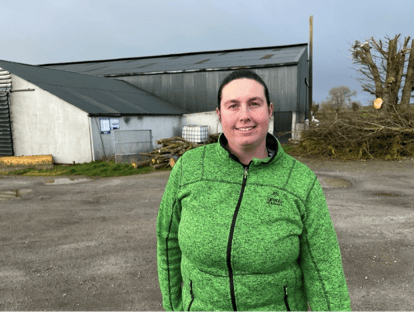
Name:
Aoife Ladd
Location:
Castletownroche, Co. Cork
Farm Type:
Dairy
Participating Schemes:
Basic Income Support for Sustainability (BISS) Scheme, Eco-Scheme & TAMS 3.
Farm Size:
40.5 hectares (100 acres)
1. Introduction
Aoife Ladd is a dairy farmer in Co. Cork who manages her farm in partnership with her father, John. She has used supports available under the CAP Strategic Plan 2023-2027 to make a series of investments to modernise farm infrastructure and improve the environmental sustainability of her farm. She is an active member of the Irish Creamery Milk Suppliers Association (ICMSA) and has represented her community and industry at both national and EU level. .
2. Farming in Her Blood
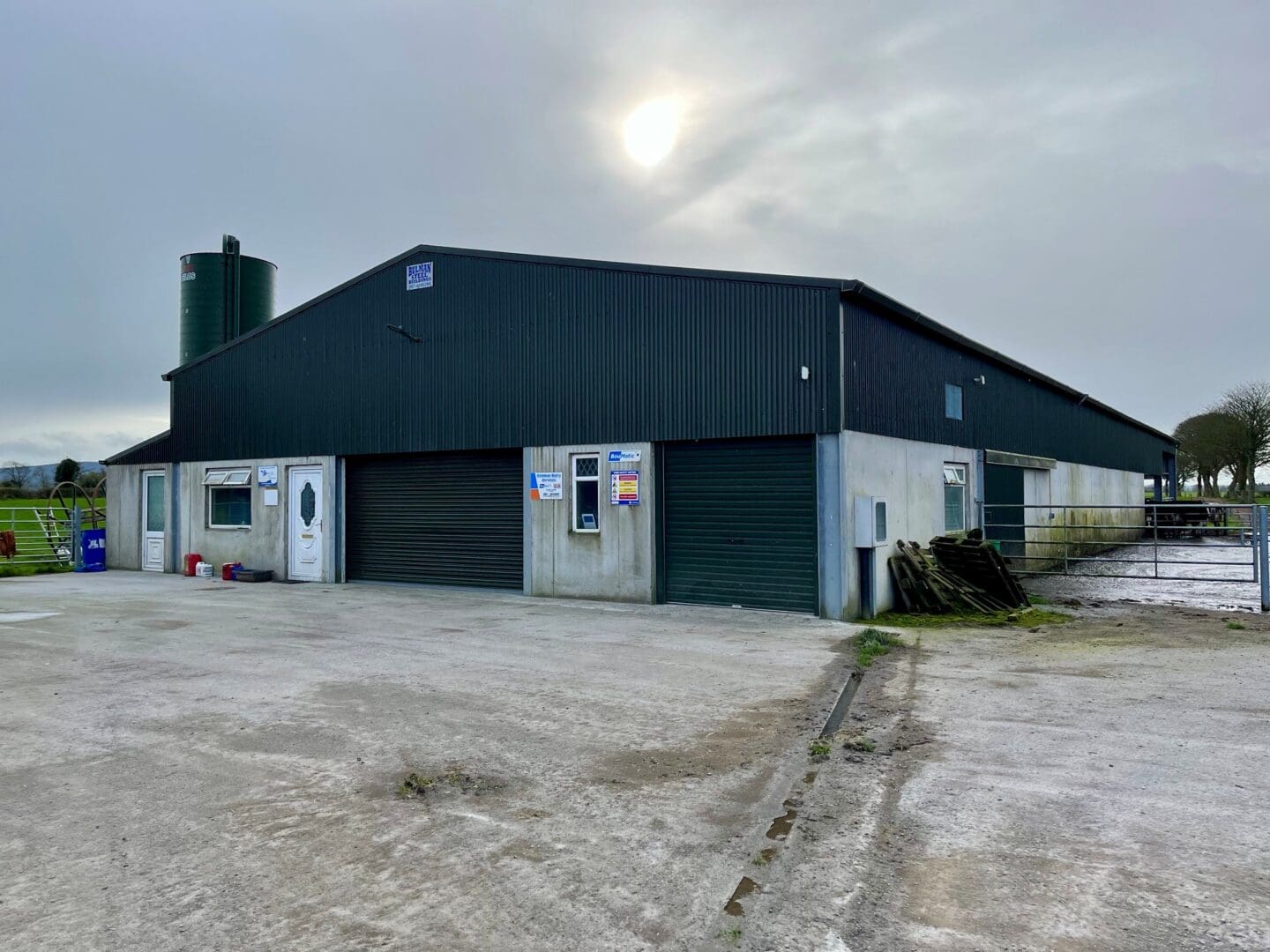
Aoife was actively involved in her family farm from a very young age. “I got roped in to certain jobs over the years, as one always does on a family farm,” she says smiling. By her teen years, Aoife was often milking the herd by herself. By necessity, her involvement became even greater between 2006 and 2007 when her father became ill, and Aoife had to manage the farm on her own while still attending secondary school. “That made up my mind for me that I was going to come home farming after college. From then on, I took on more responsibility, and when I finished school, I studied for my Green Certificate down in Clonakilty.”
3. Investing in the Future
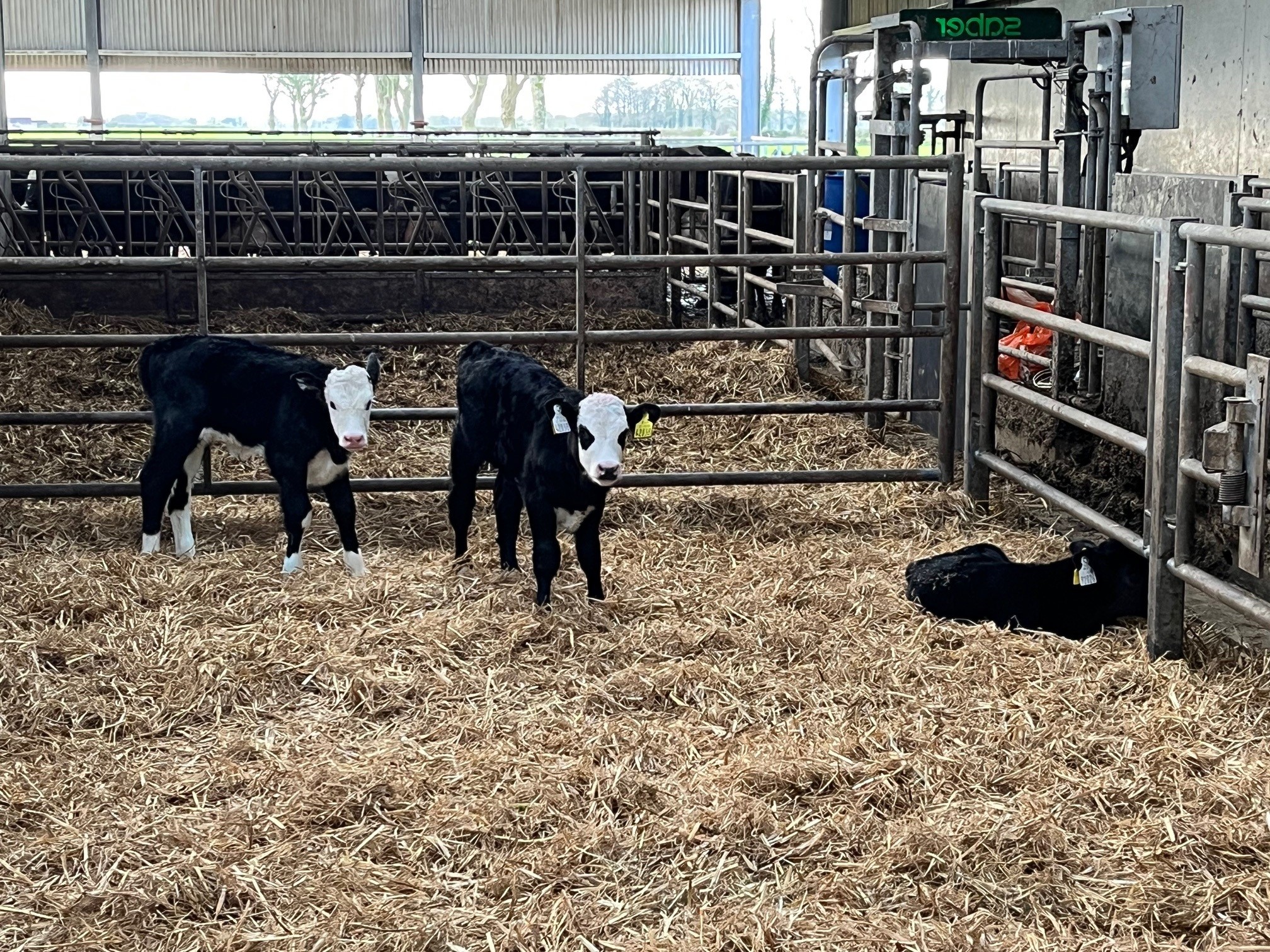
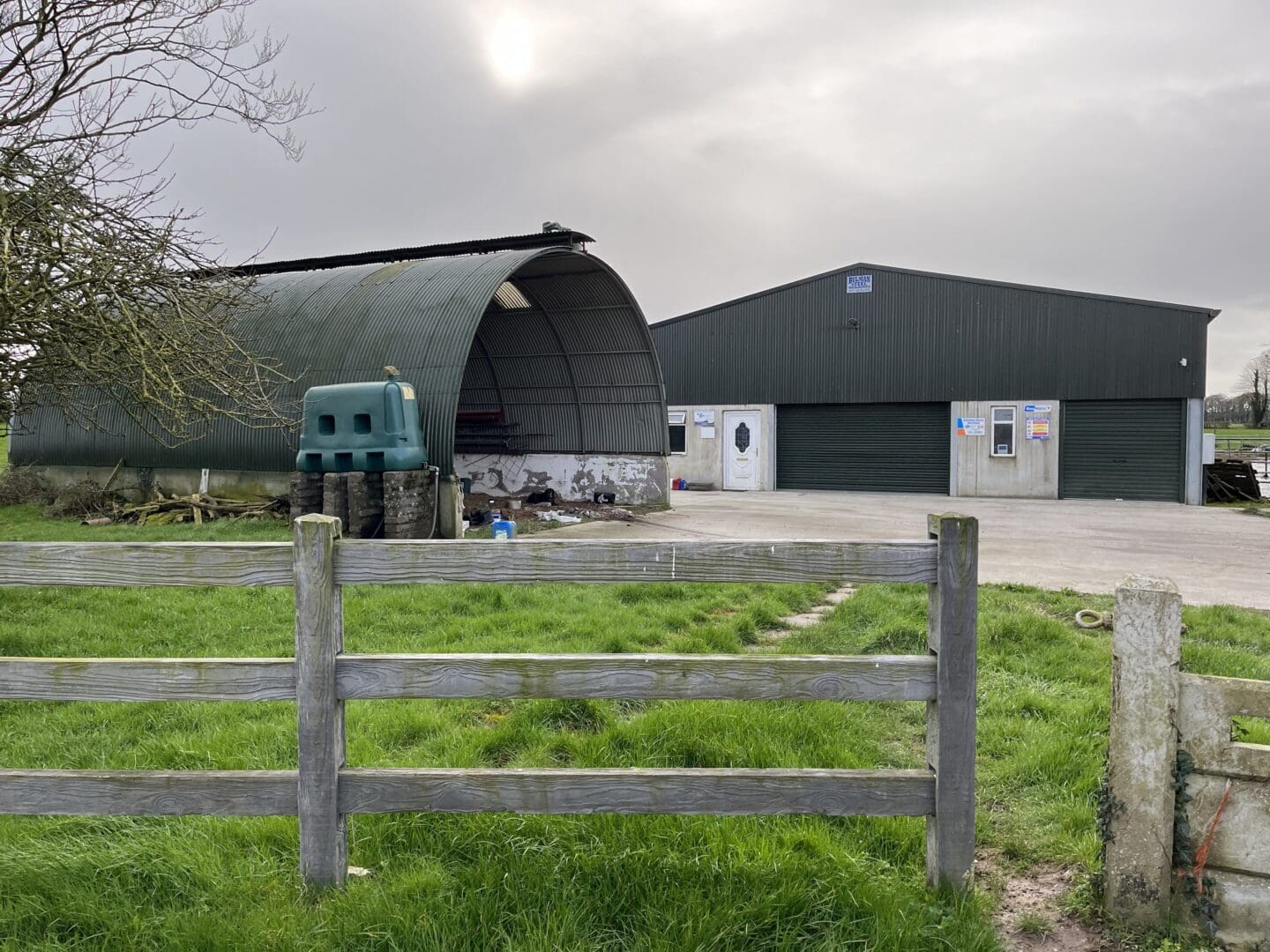
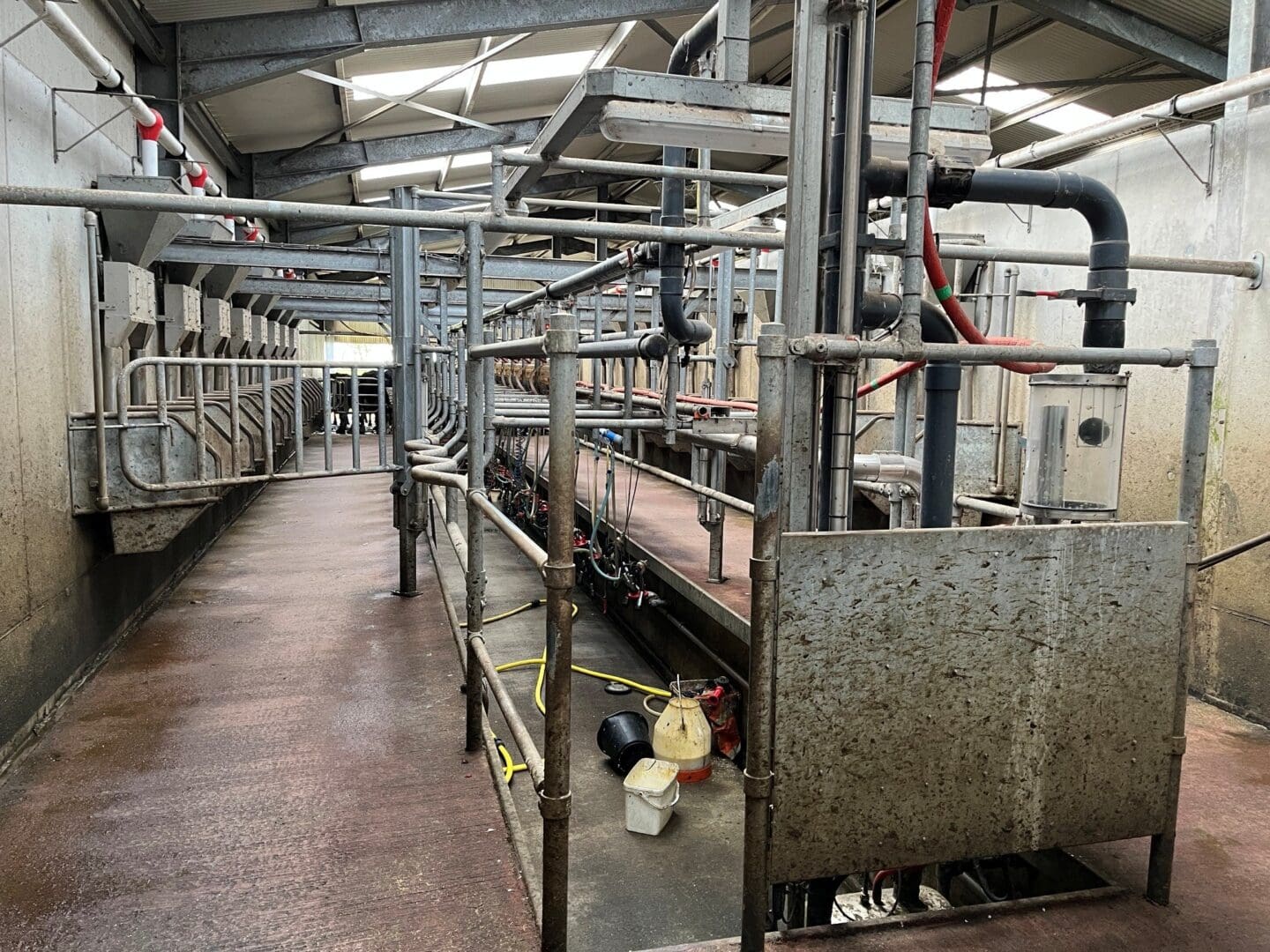
Since 2018, Aoife and her father have formalised their arrangement and entered into a Formal Farm Partnership. Although the daily management of the farm has continued as before, being in a partnership made administration of the business much easier for Aoife as she could sign paperwork and authorise bank payments in her own right. In turn, being in a Formal Farm Partnership allowed her, as a young farmer, to access 60% financial support in TAMS 2 to build a brand-new modern milking parlour under the Rural Development Programme (RDP) 2014-2022. “It was taking us over two hours to milk the cows, not including bringing them in and out to the field.” she explains. “I was lucky that I could get relief milkers to come but the new parlour is just a better job.”
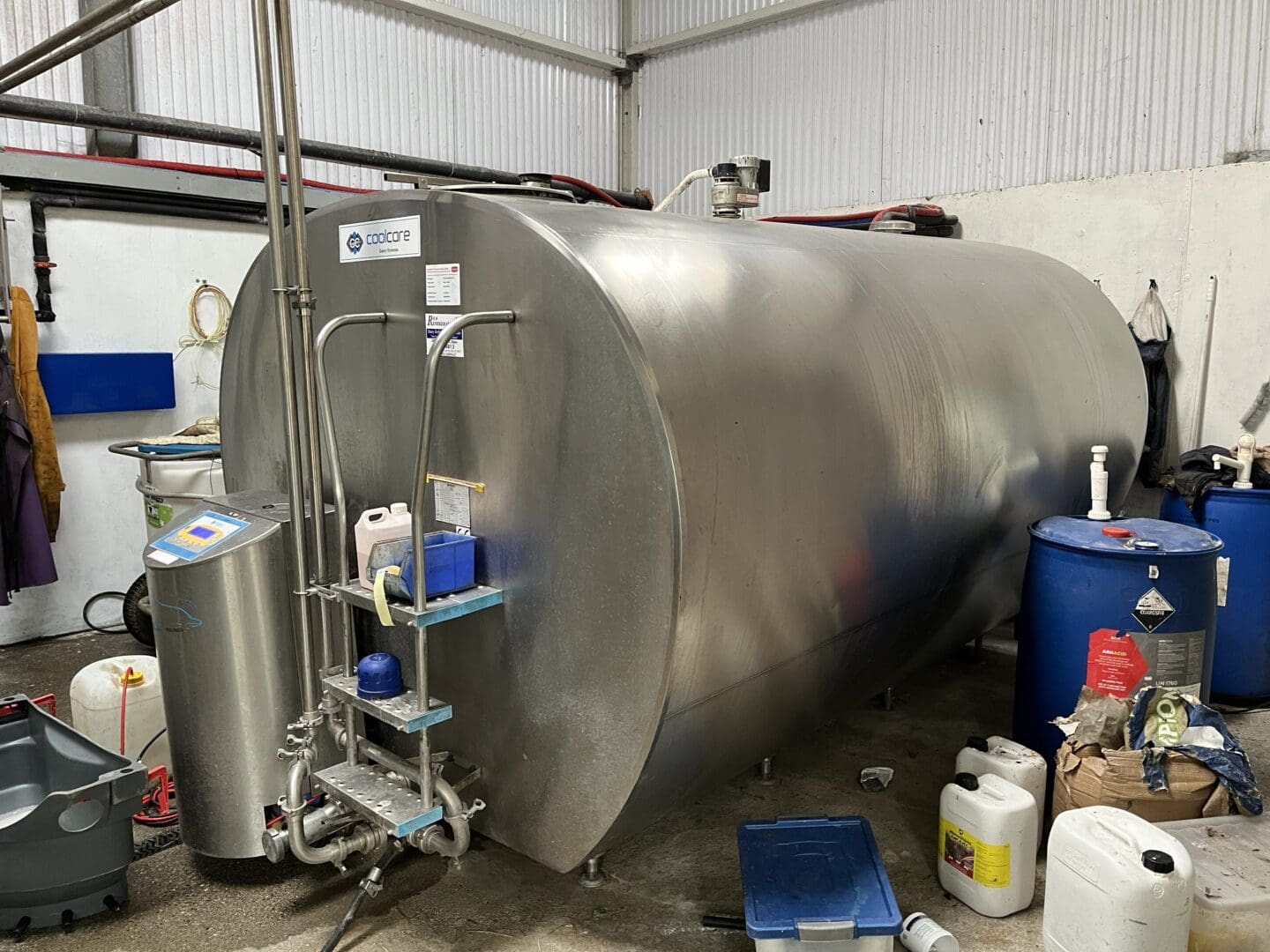
Aoife continues to modernise the farm and has successfully applied for 60% financial support under TAMS 3 for a new feed bin to replace the existing bin that was letting in rainwater and for installing solar panels on the milking parlour roof. She hopes to have paid back her investment within 3 years and will have sustainable energy to power her farm for years to come. “Being a dairy farmer, you have a high usage of electricity most of the year round, with cooling milk and heating water, with the chlorine free detergents now, we have to do a lot more hot washing,” she says. “If the panels do what I’m told they can do, between March and September we should save a lot on electricity bills.”
4. Environmental Sustainability
She is also participating in the Eco-scheme and has planted new hedgerows to bring her Space for Nature score to 10%. So far, she has planted approximately 100 metres of new native hedgerow consisting of Blackthorn, Whitethorn, Spindle, Dogwood and Hazel. Not only has it increased her Space for Nature and secured her payment, but she hopes that it will play a practical function by providing shelter for calves in the future.
Aoife is also managing her grassland as efficiently and sustainably as possible, ensuring it delivers both environmental and productivity benefits. She measures her grass swards with a grass plate meter connected to a GPS system to record her data in real time. She uses protected UREA and low emission slurry spreading equipment to fertilise her paddocks. Nearly 70% of the farm has clover or multi-species grass swards. “The cows love the stuff, they actually stop outside the paddock wondering why aren’t we being left in here?” she says about the multi-species swards, but she also admits that there is a learning curve to managing these swards correctly. “I’m debating about reseeding more paddocks with it again. After 3 years in my grazing system, I am left with a field of grass and clover. Definitely in the droughty weather it is better. Our land is very dry and those paddocks recover quicker.”
5. Encouraging Generational Renewal
Aoife has noticed a proliferation in the variety of payments since she started farming. She believes that the Basic Payment Scheme under the Rural Development Programme 2014- 2022 was easier to understand. Despite the admiral aims behind the introduction of BISS, CRISS and the Eco-scheme, and many more income supports under the CAP Strategic Plan 2023-2027, ensuring compliance has become more complicated for both farmers and administrators and Aoife advocates for a balance to be struck in the next iteration of CAP.
When asked if she would recommend farming as a career to young people, particularly women, “most of the time, yes,” is the answer she gives with a laugh, “if the paperwork side of farming was simpler for meeting rules and regulations. Outside of springtime, farmers have more personal flexibility to be their own boss, meet with people and attend appointments. Beside dealing with regulations, poor prices and bad weather is our biggest challenge. If you have a 9-to-5 job, you can walk away from it. Unfortunately, that doesn’t happen when you are farming but at least you are your own boss.”
5. Women in Agriculture
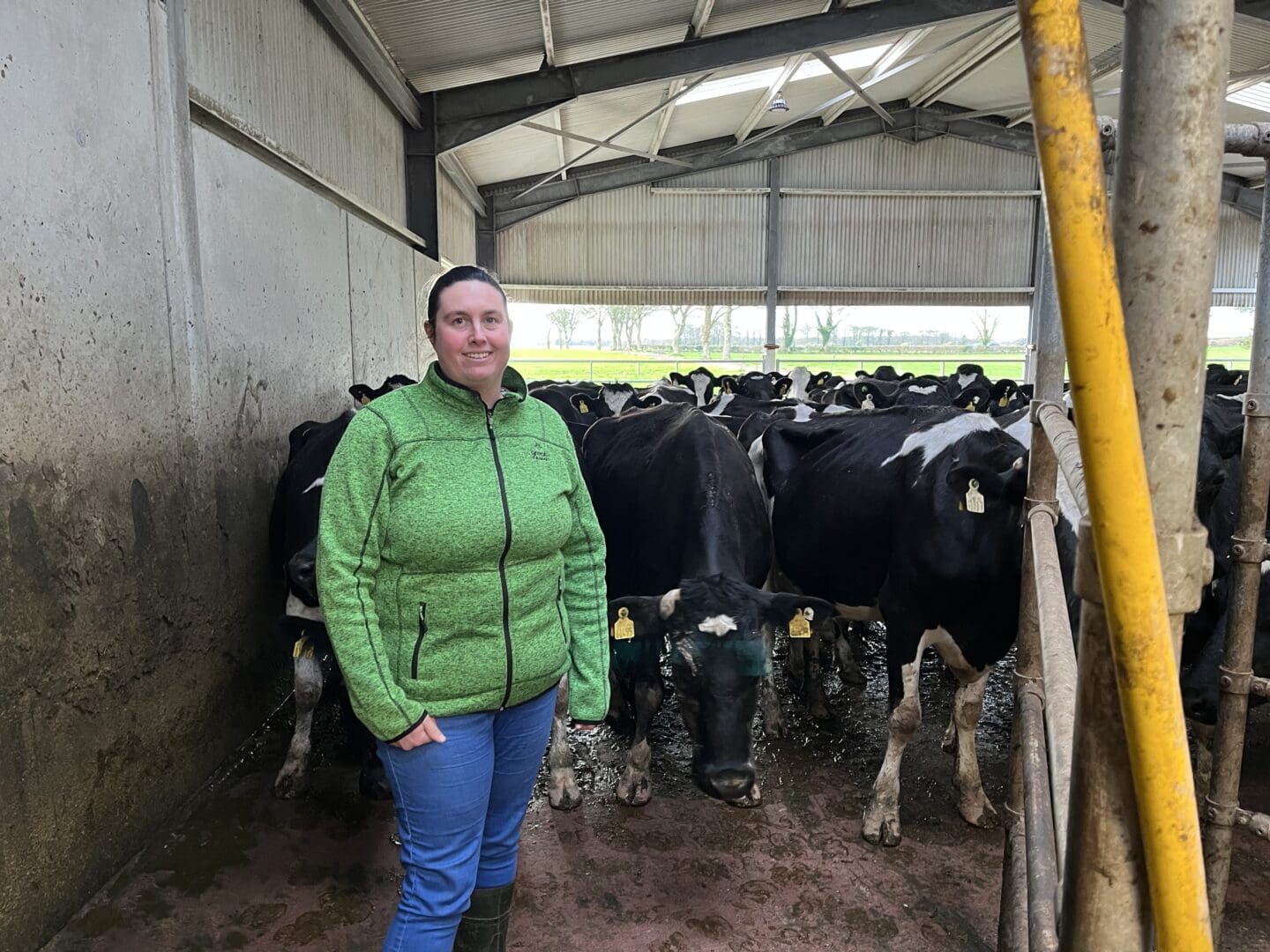
Being a female farmer in a male dominated industry does not bother Aoife. “When I got into farming first, I was going to lots of meetings. I just got on with being the only female there. Even in college in my year of 100, there were only 3 females. I might have gone into discussion groups a bit shy in the past, but if you can’t speak openly and honestly in a discussion group, you’re in the wrong group,” she says. “It’s great to see more women farming now. Too often in the past there were farms where the son had no interest in it but he got it anyway and it usually didn’t work too well..”
"If I'm honest, I think that we need to encourage everyone into farming, not just females. If I'm somewhere and I'm the only female, I won't even notice"
7. Representing Her Community and Industry
Aoife has been attending ICMSA meetings since she was 15 years old and is a strong advocate for the interests of her industry and local community. “I find it very interesting,” she says. She is currently the ICMSA Chairperson for the Mallow area and is also a representative on the national council with a seat on the Business subcommittee.
Aoife represents a new generation of farmers, bringing the same confidence and expertise to the boardroom as she does to the milking parlour. She is passionate about representing farmers and helping to shape the future of the sector. “I was in Brussels in 2025 representing the ICMSA. I didn’t even realise that I was the only female going until I got to the airport. There was 20 something of us going out to meet with MEPS to advocate for farmers. I just got on with it. It is what it is.”
8. Image Gallery