No Longer Swimming Against The Tide
6. ACORNS
1. Overview 2. Introduction 3. Importance of Supports 4. Biodiversity 5. Capital Farm Investments 6. LEADER 7. Farming Organically 8. Changes in Farming 9. Conclusion 10. Image Gallery
Name:
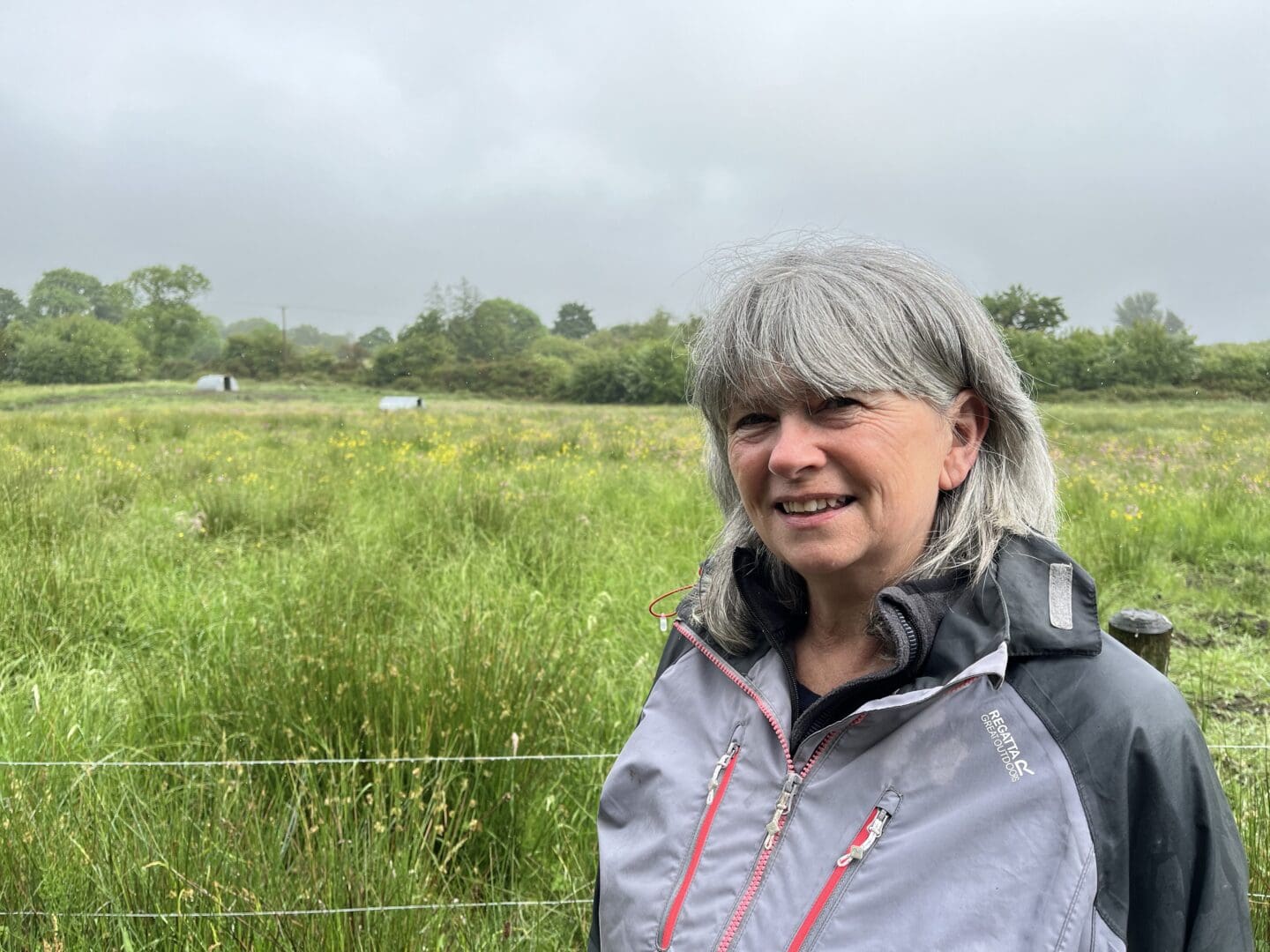
Marian Clarke (Doon Social Farm)
Location:
Doon, Co. Limerick
Farm Type:
Organic Horticulture, Organic Poultry and Social Farming
Participating Schemes:
ACRES, the Organic Farming Scheme, Basic Income Support for Sustainability (BISS) Scheme & the Eco-scheme.
Farm Size:
34 acres (13.75 hectares)
1. Overview of Marian Clarke
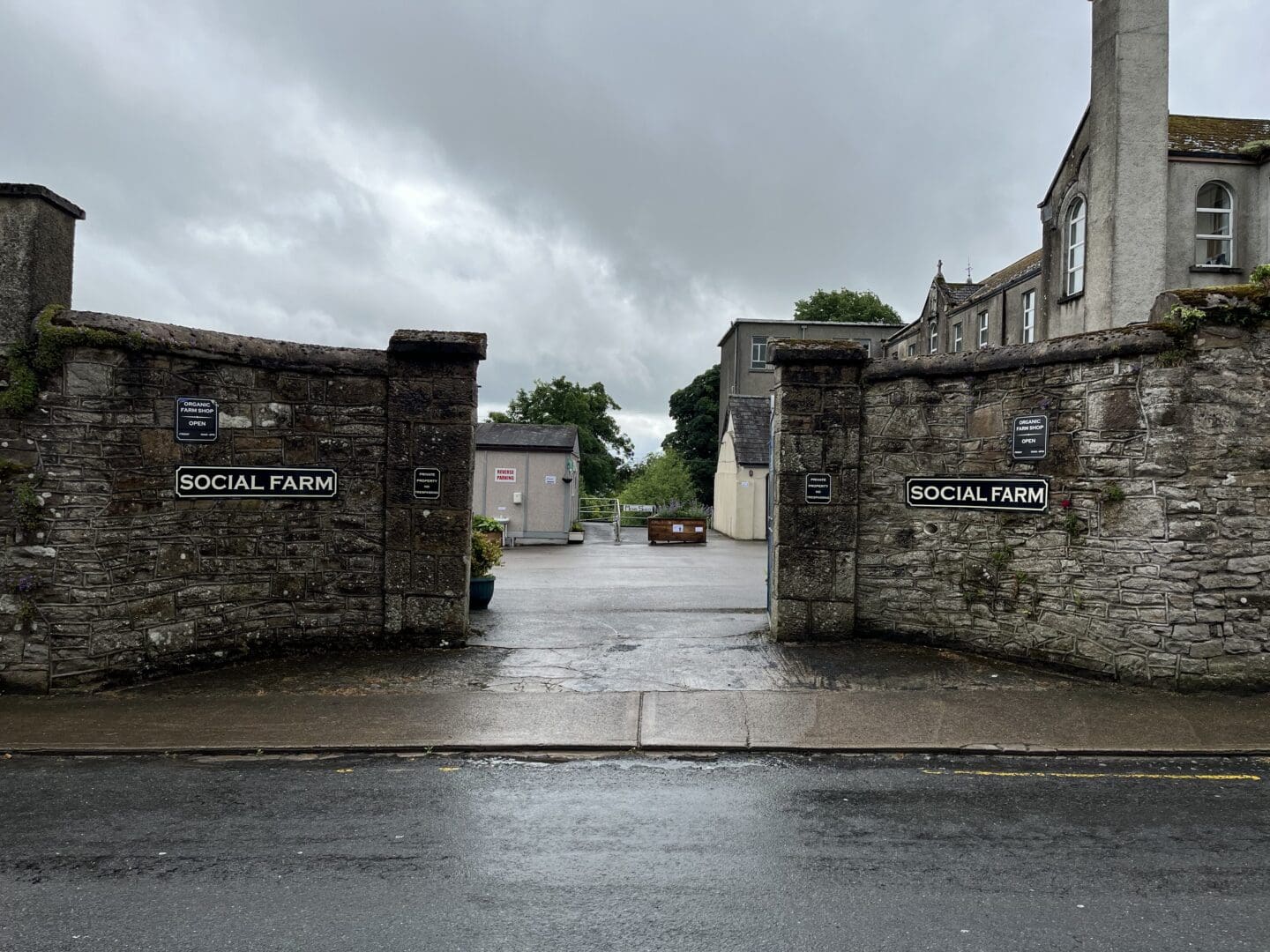
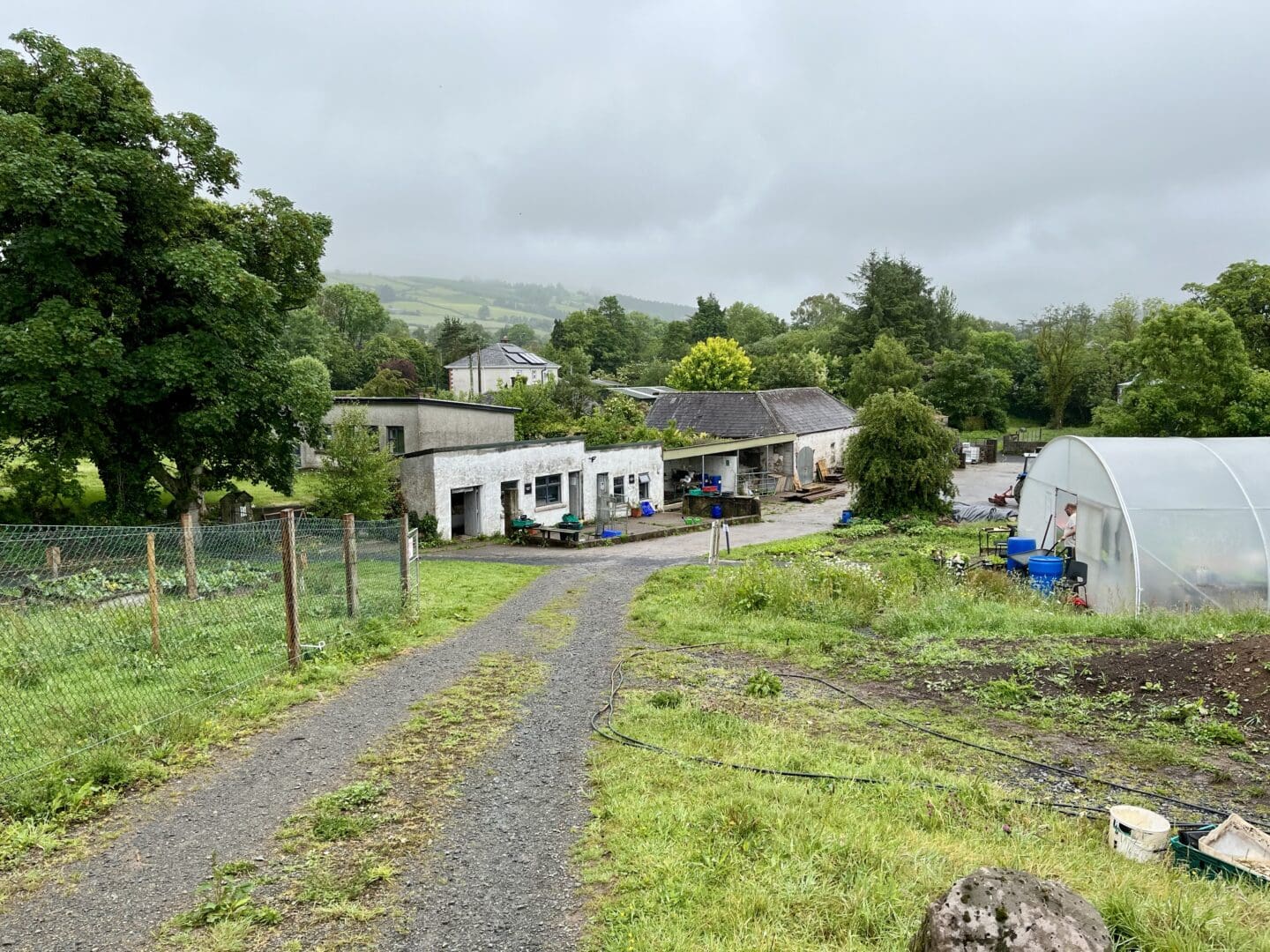
Marian Clarke works as the farm manager of Doon Social Farm. The farm is owned by Ballyhoura Rural Services CLG and is located on the grounds of an old convent and secondary school in the village of Doon. It has been an active organic farm since 2019. While the farm receives some government support through Pobal’s Community Support Programme, grants and the like, it is gradually becoming more sustainable through the sale of its own produce.
Certified by the Irish Organic Association (IOA), the farm offers social farming services and wellness programmes for people in the Limerick and Tipperary areas. Supports available under the CAP Strategic Plan (CSP) 2023-2027 are contributing to the financial sustainability of the farm.
2. Introduction
Marian Clarke is a pioneer of organic horticulture in Ireland. Raised in Co. Wicklow, she studied at the Irish Country Women's Association (ICA) College in Termonfeckin in Co. Louth after leaving school in the 1980’s. “They opened it up for young women to study horticulture and have their own income,” she explains. Although she was not from a farming background, this was no obstacle to her earning her Higher Certificate in Commercial Horticulture, awarded by the Agricultural Training Council/An Chomhairle Oiliúna Talmhaíochta (ACOT), and beginning a career in commercial organic horticulture.
“I farmed when I left college. As soon as I heard about organics, I never shifted from it,” she says. Marian was ahead of her time when she set up her first commercial organic farm in Clones, Co. Monaghan. “It was very difficult at the time. It (organics) was very new. We’re talking about the late 80’s,” she says. “So, I tutored in organic horticulture, and then I did development work abroad. That widened my scope, and so I came back and studied as an art therapy clinical supervisor. This particular role at Doon Social Farm is a nice blend of horticulture, the therapies and community development.”
3. The Importance of Supports for Doon Social Farm
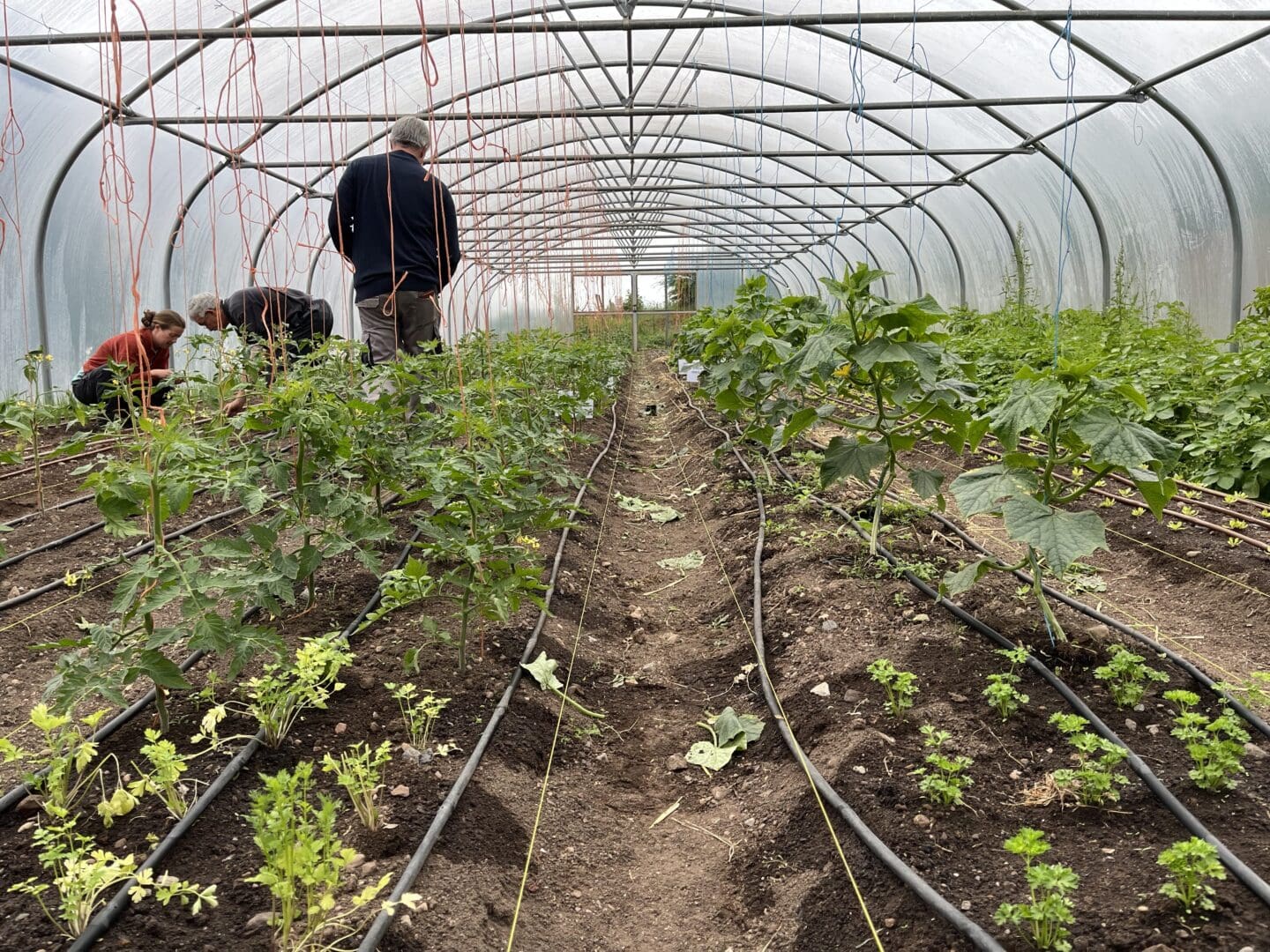
Doon Social Farm became registered in 2024 to participate in the CAP Strategic Plan (CSP) 2023-2027. These payments are now a crucial source of financial support for the farm. “They’re really important,” Marian confirms, “We’re always diversifying, trying to pull every bit of money in. It just takes that edge off, knowing that we are going to get these payments. We are in BISS, CRISS, Eco-scheme, ANC, ACRES and OFS. It’s a relief as we still have a deficit every year because social farming doesn’t pay.” The farm currently has 2 full-time and 3 part-time staff whose salaries must be covered.
4. The Value of Biodiversity
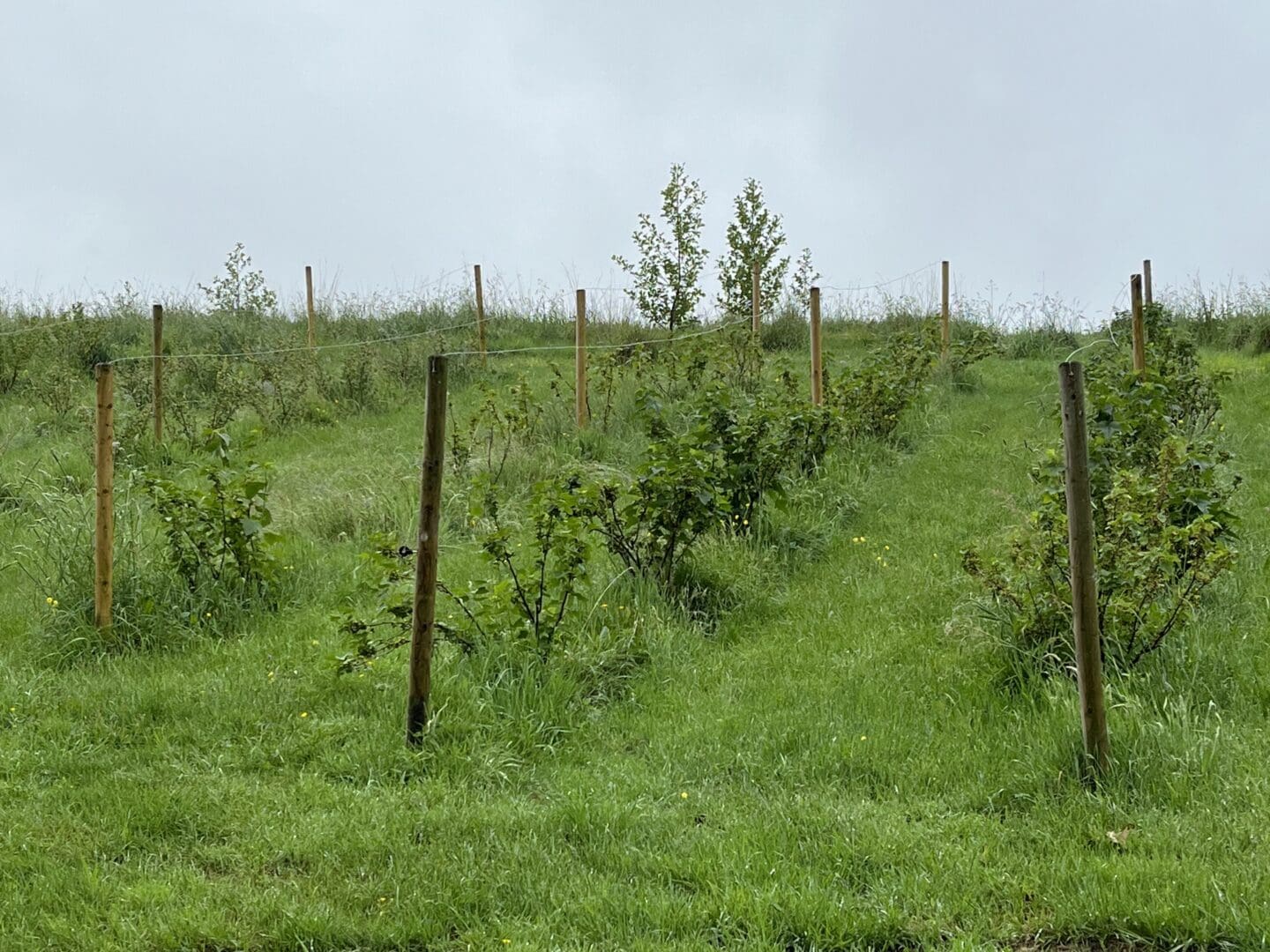
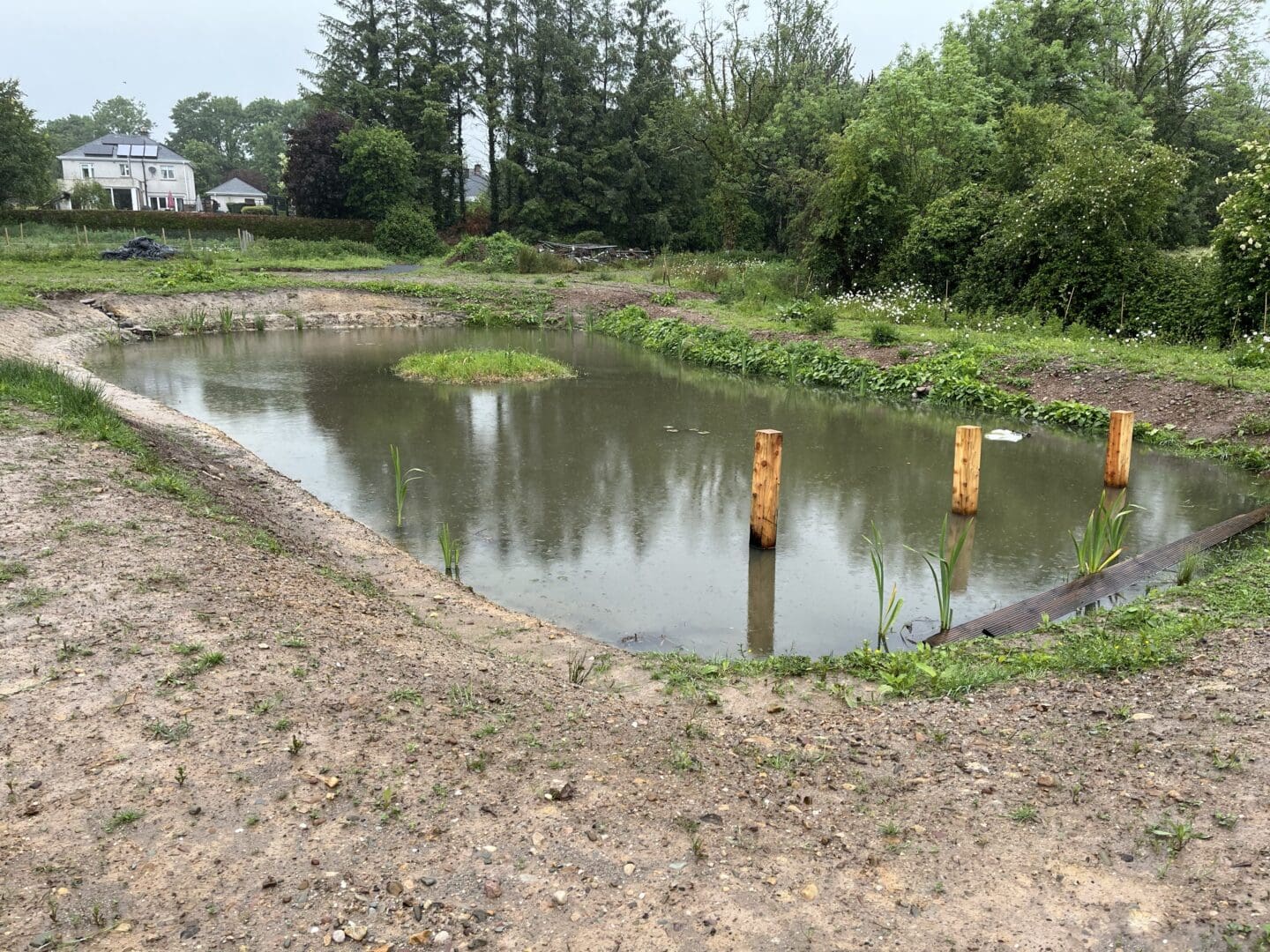
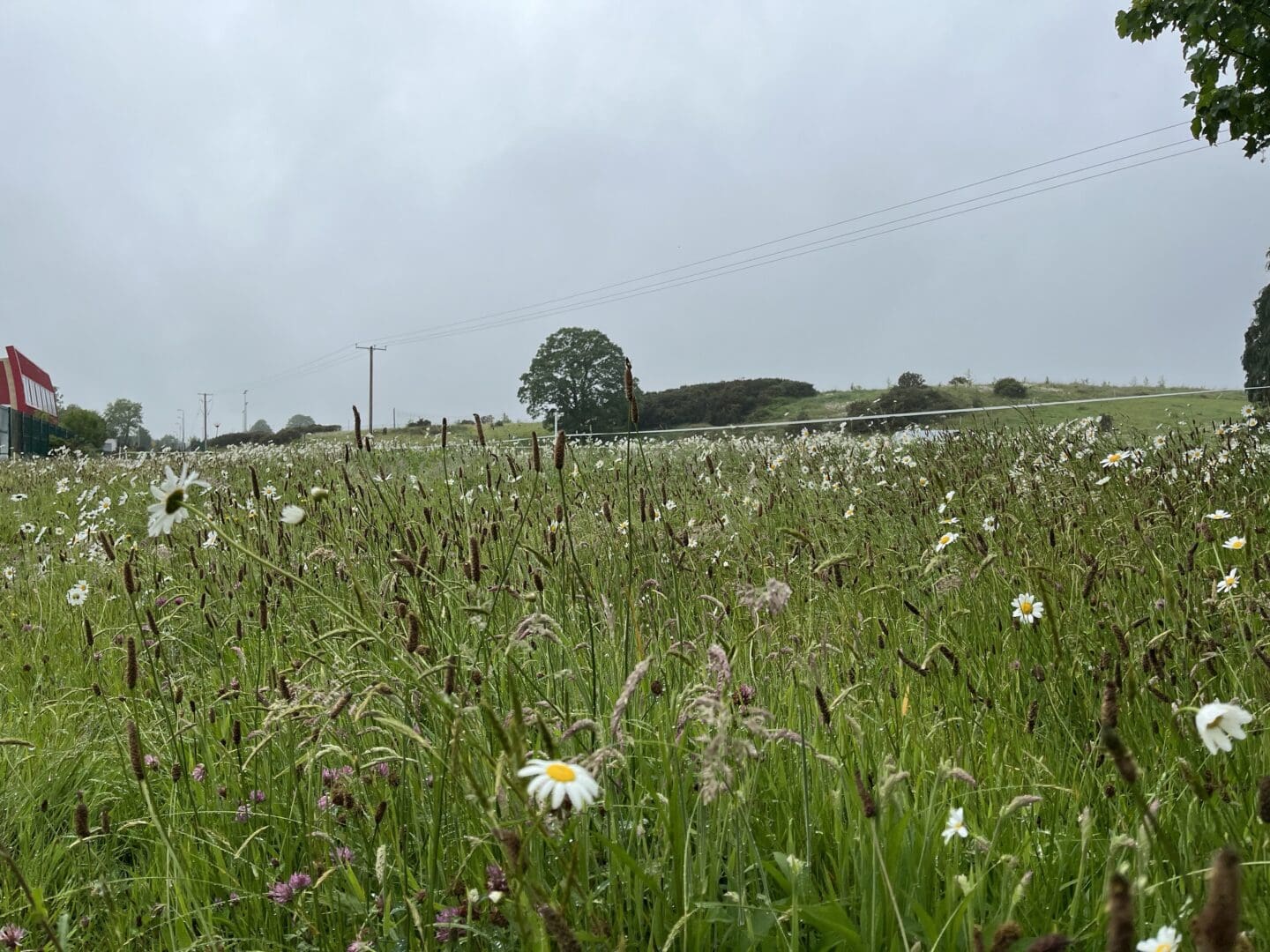
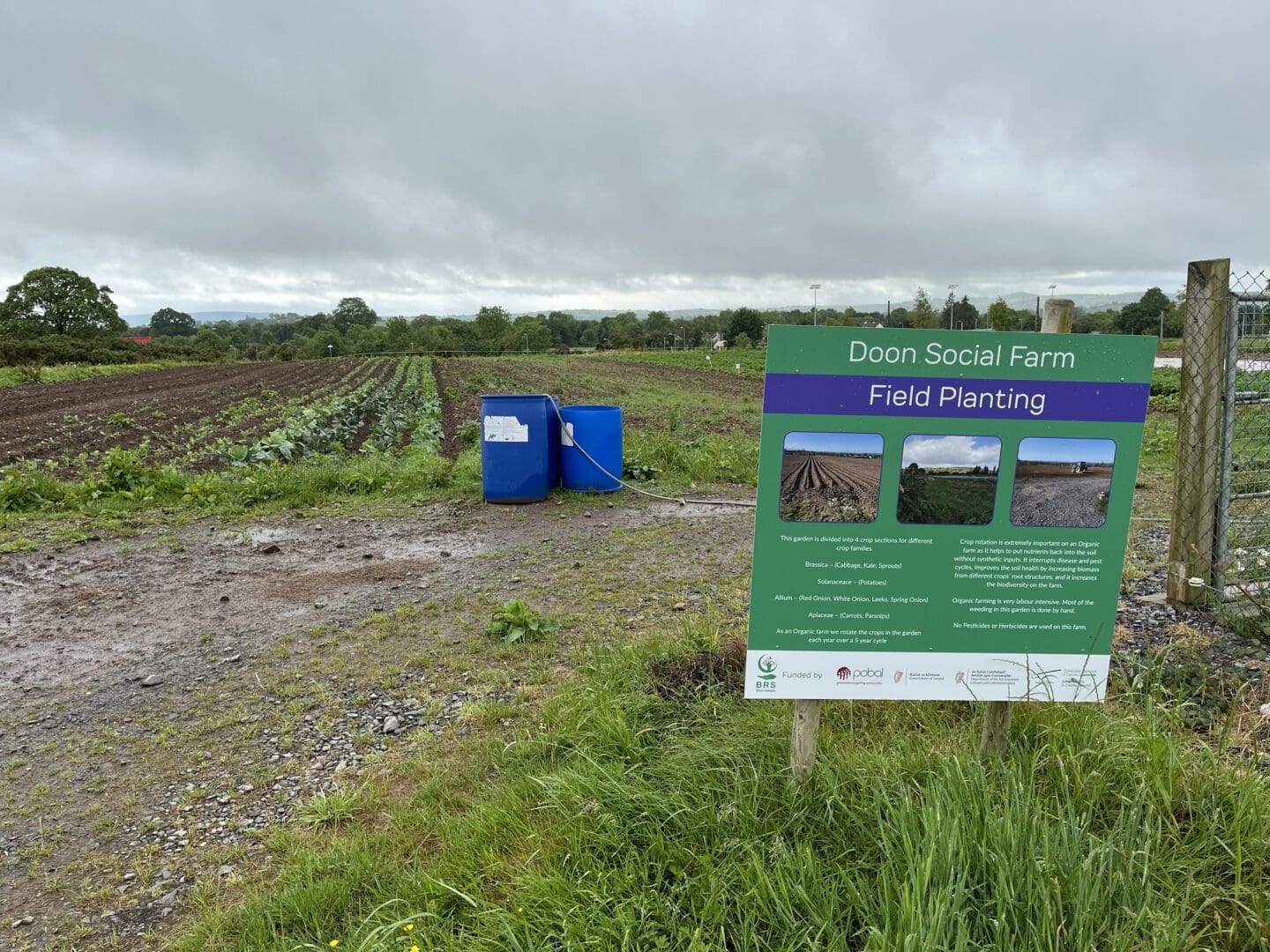
Biodiversity is an important feature on the farm, and one that Marian thinks could be leveraged to attract agri-tourism in the future as a source of additional income. The farm has an impressive Space for Nature score of 23%, which encompasses the farmyard, mixed cropping, a riparian zone, and permanent pasture.
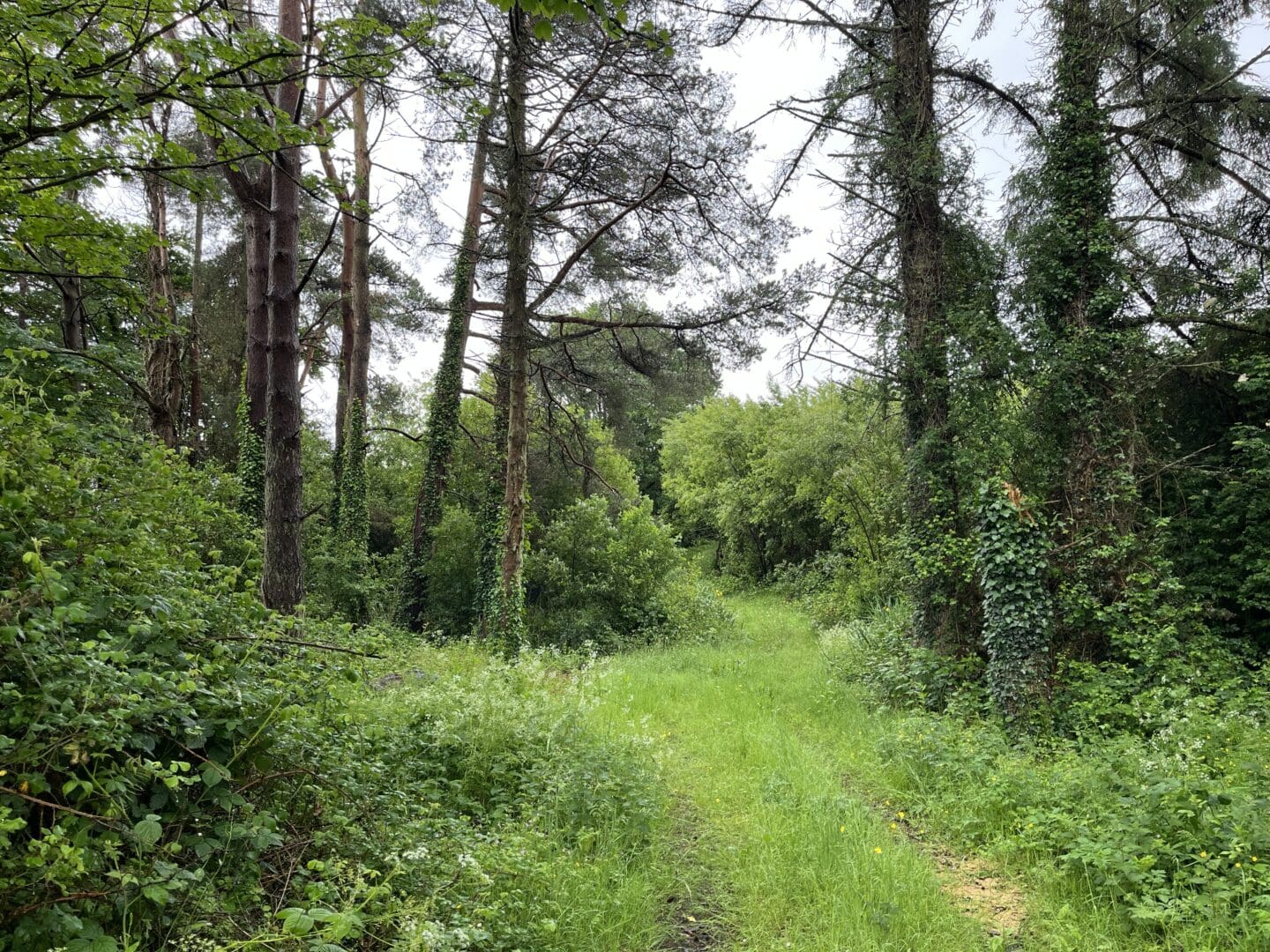
This score far exceeds the threshold for qualifying for the Eco-scheme. The farm has also planted over one hundred native trees and established a riparian buffer zone under ACRES. “I’m delighted,” she smiles, “It keeps us focused on biodiversity. The fact that we are getting those payments means we can’t do something else with the ground now!”
5. Capital Farm Investments
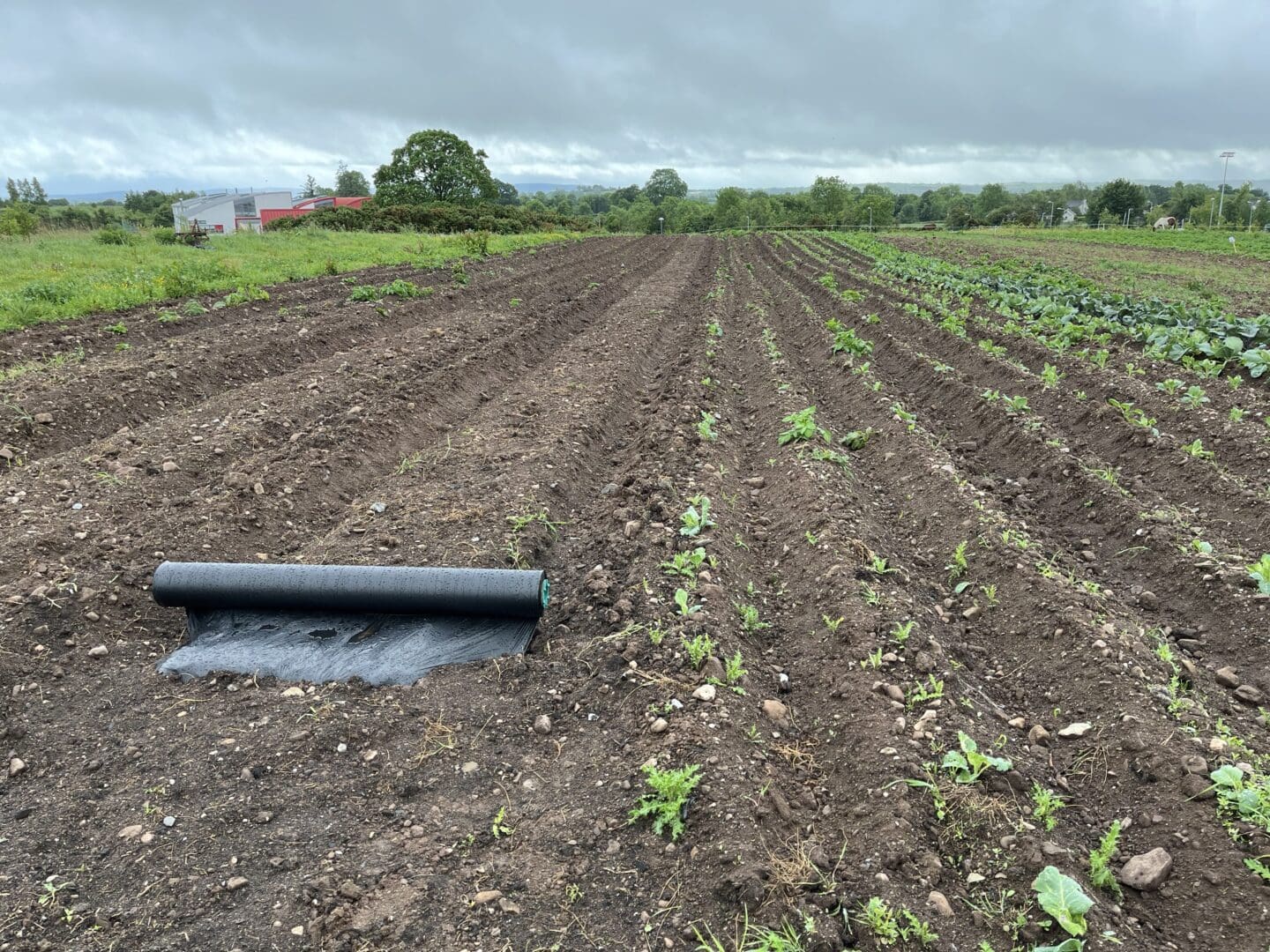
Marian had applied for investment support under TAMS 3 for the purchase of a fifth henhouse before 100% funding was secured from another source. She intends to apply for funds in the near future to acquire a machine that will lay down a biodegradable film on the outdoor vegetable beds. This would significantly reduce the amount of labour required for weeding. As Marian’s name is currently registered with the farm on the BISS application, she qualifies for 60% investment support through either the Woman Farmer Capital Investment Scheme (WCIFS) or the Organic Farmer Capital Investment Scheme (OFCIS) on behalf of the farm.
6. LEADER
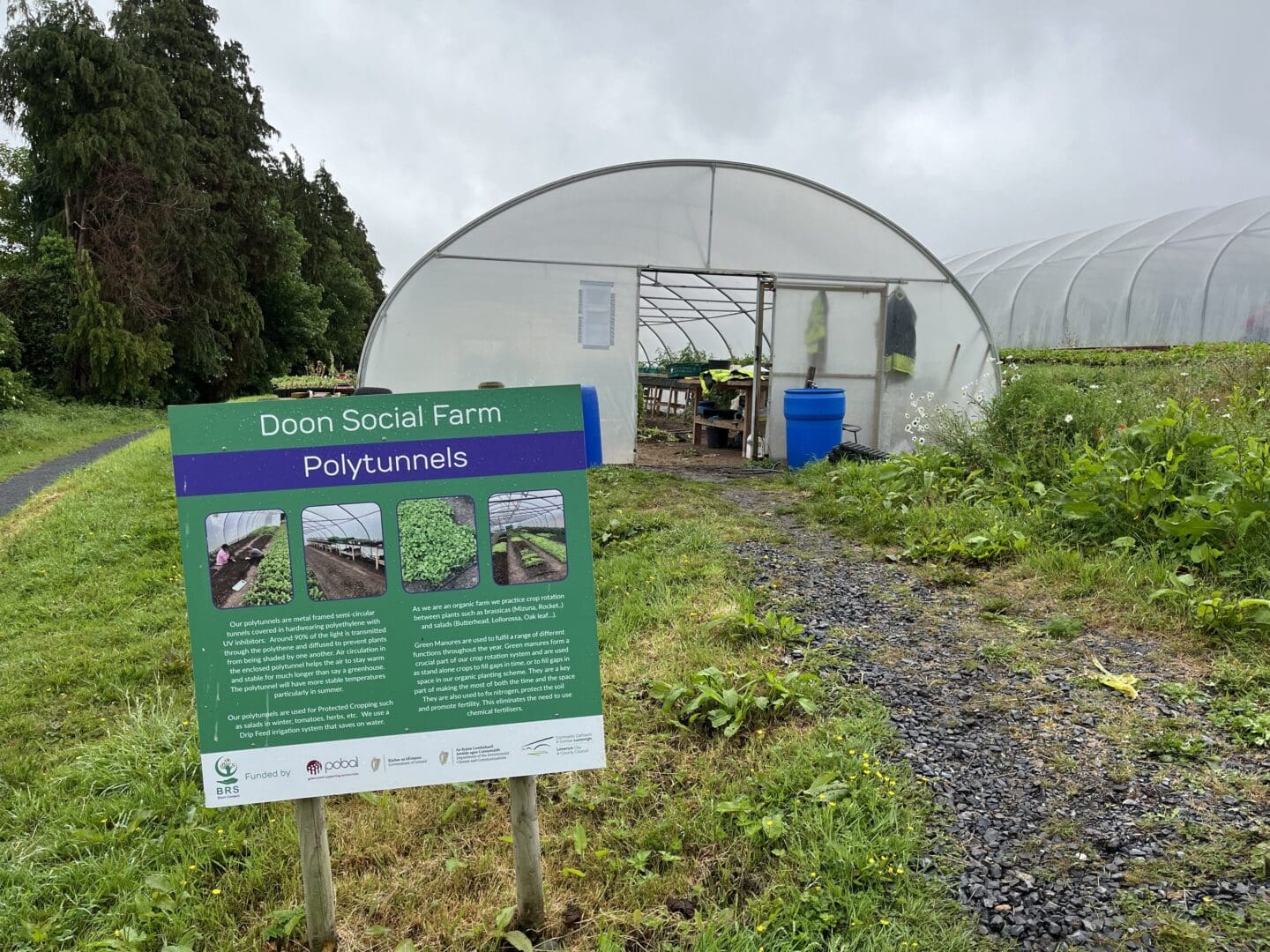
The social farm was originally established thanks to LEADER funding from the Rural Development Plan (RDP) 2014-2022, which supported the purchase of polytunnels, henhouses, and other farm infrastructure. Marian intends to apply again to LEADER under the current CSP for a sensory room and a sensory garden for participants requiring social care. This project is currently on hold while the planning application is being processed.
7. Farming Organically
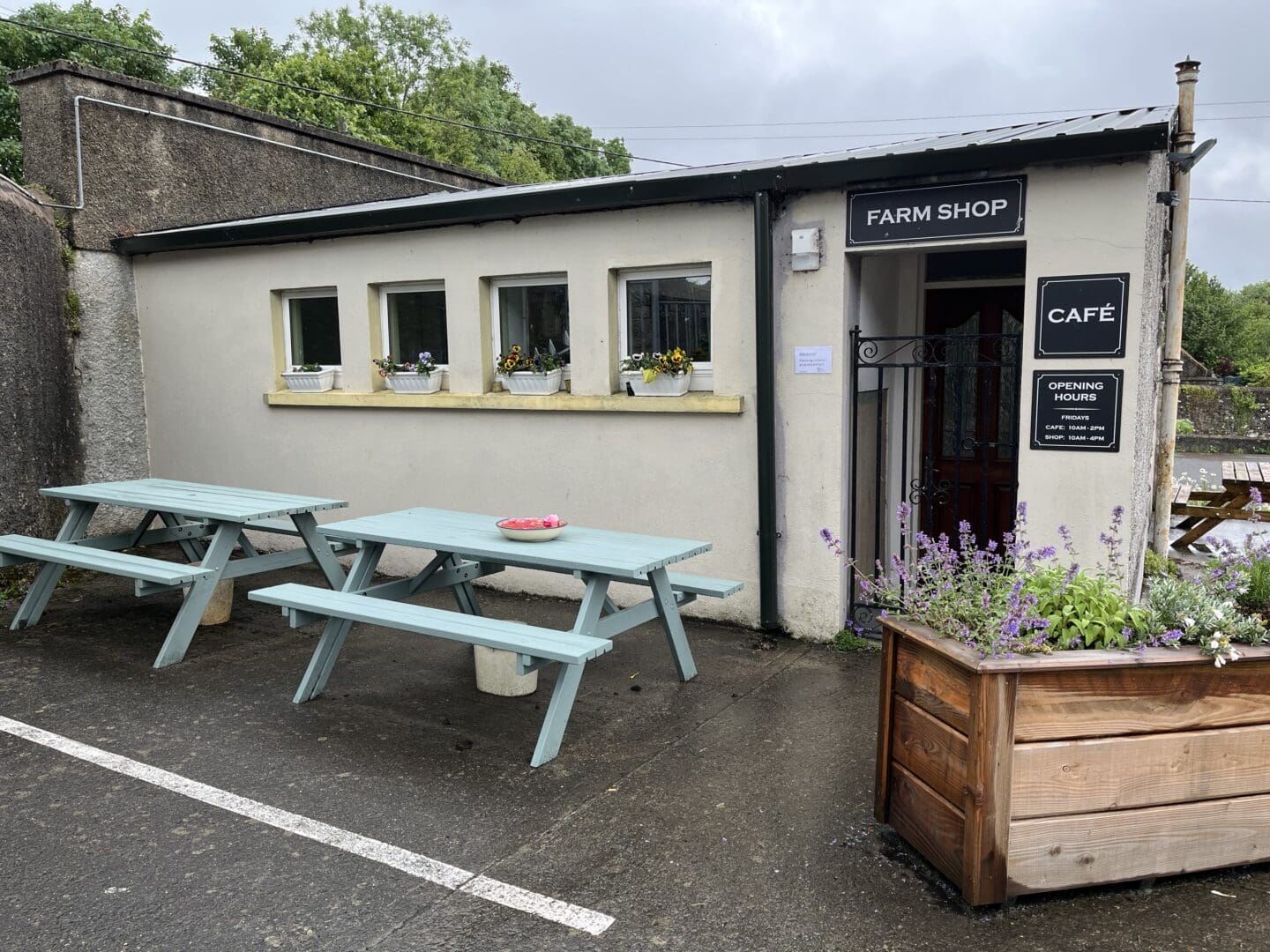
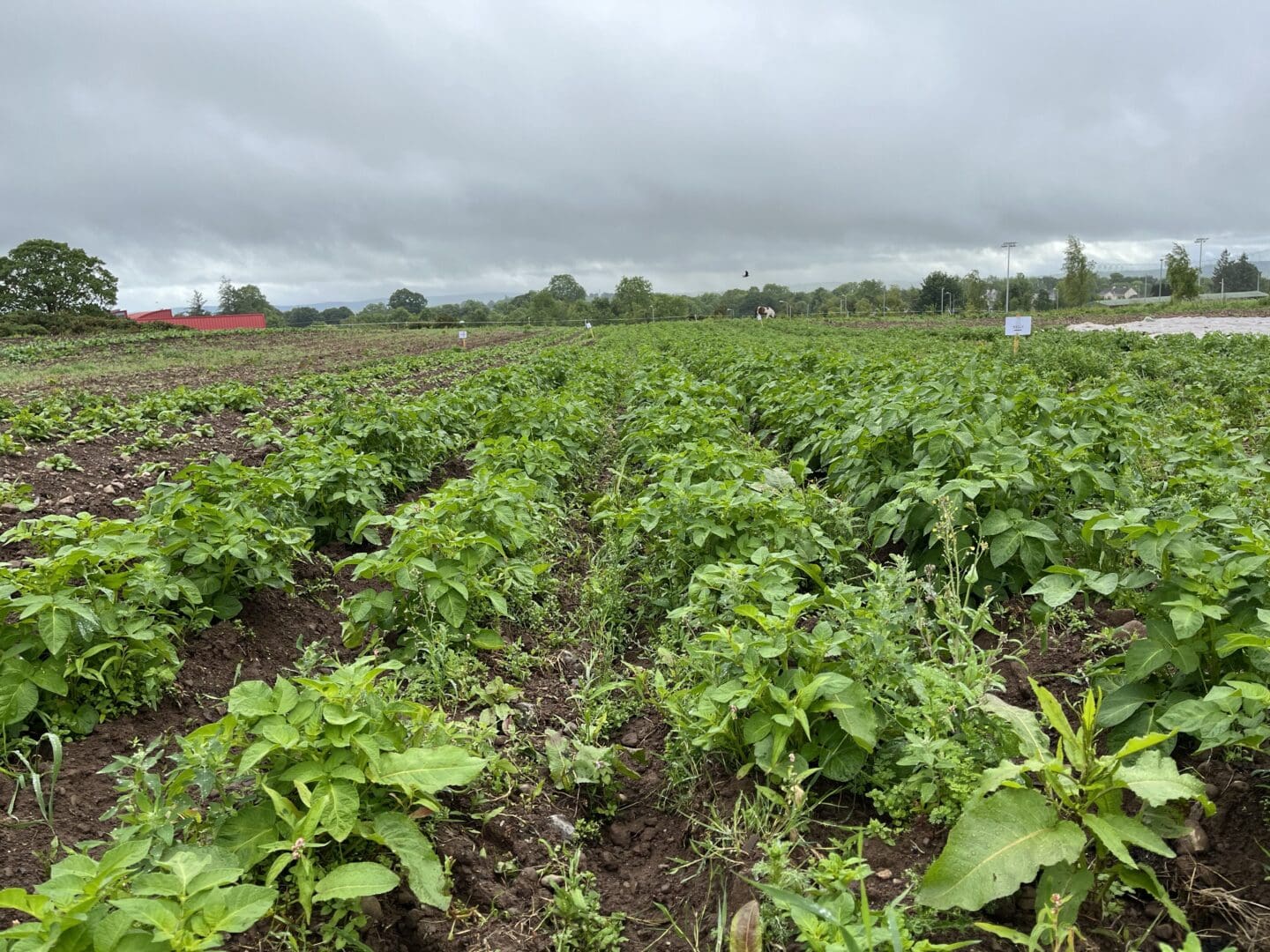
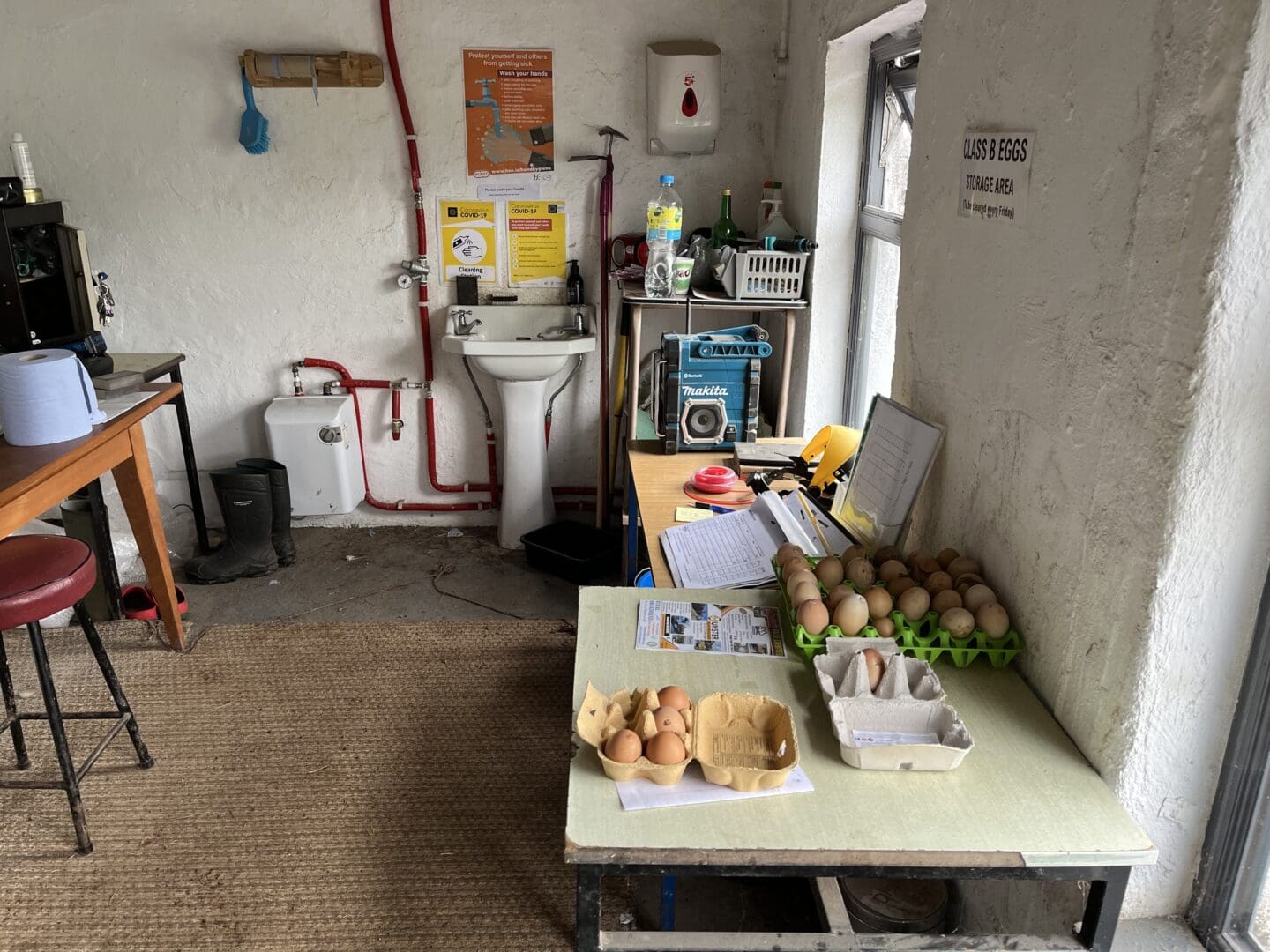
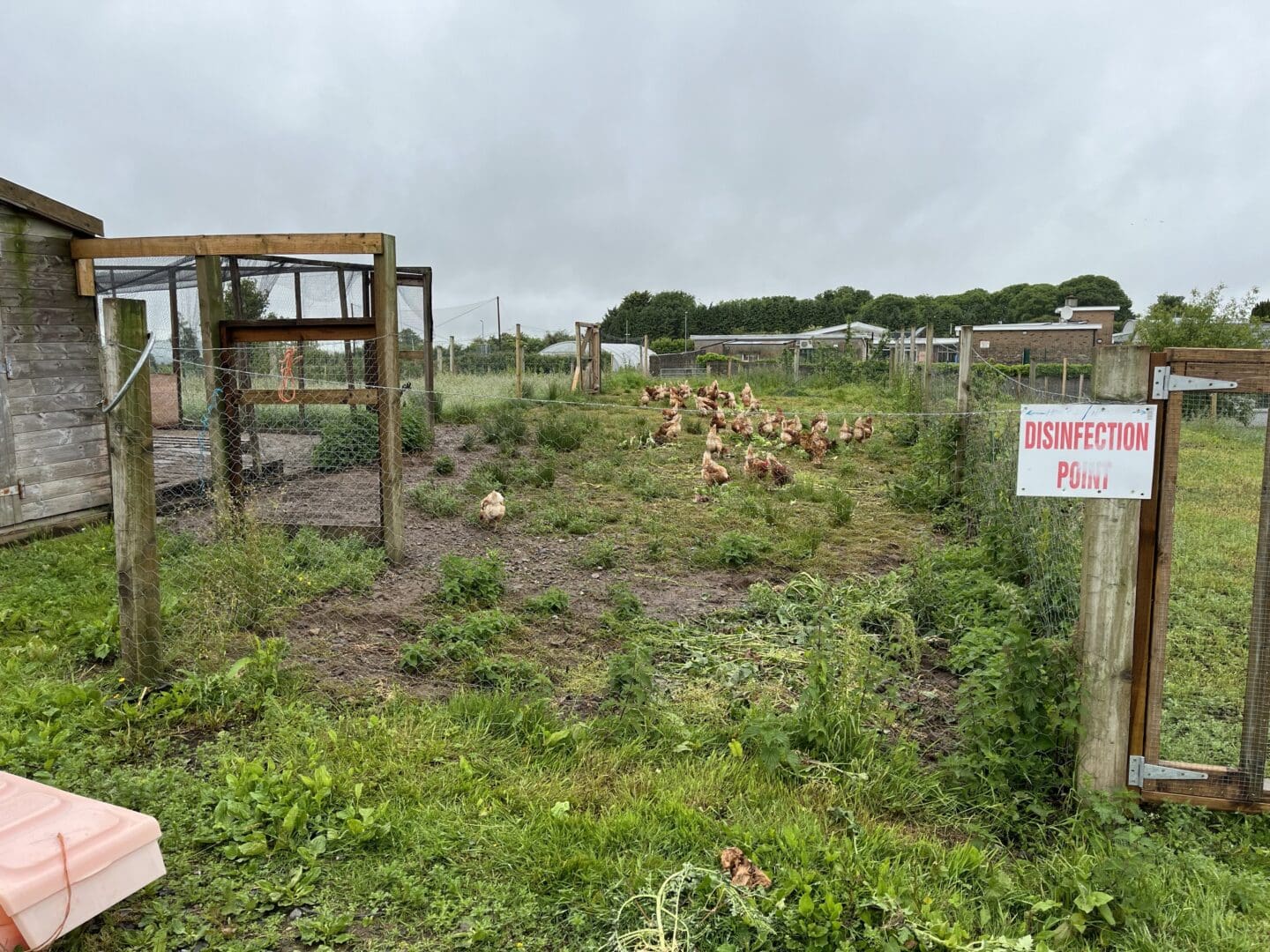
The farm is also in the first year of the Organic Farming Scheme. Producing a range of salad and herb bags for sale, as well as a large choice of fruits and vegetables, the farm also converts fresh produce into value-added products such jams and preserves. In addition, the hens provide a large quantity of free-range eggs. The produce is generally sold through markets and health food stores in Limerick city and surrounding towns, as well as in their own farm shop.
A range of recreational learning courses, Easter/Summer/Halloween camps, room rental and a farm café (open every Friday) are also on offer at the farm to generate extra income.
8. Changes in Farming
Marian manages a farm that is not considered typical in Ireland. This does not bother her as she has seen farming evolve significantly since she first started back in the 1980s and it is perhaps the rest of the country that is finally catching up with her. “Organics was very much rejected,” she says. “It was seen as a fad. That is definitely a big change as it now becomes more mainstream. There is an acceptance now that natural is good, and people are questioning chemical inputs more. When I started commercially growing, there weren’t really grants and funding available for horticulture. I think that there is a growing realisation that we need to grow more of our own food, be self-sufficient and have shorter supply chains.”
"In the early days, it was very difficult to be taken seriously. Horticulture was associated with floristry. I wouldn't be taken seriously."
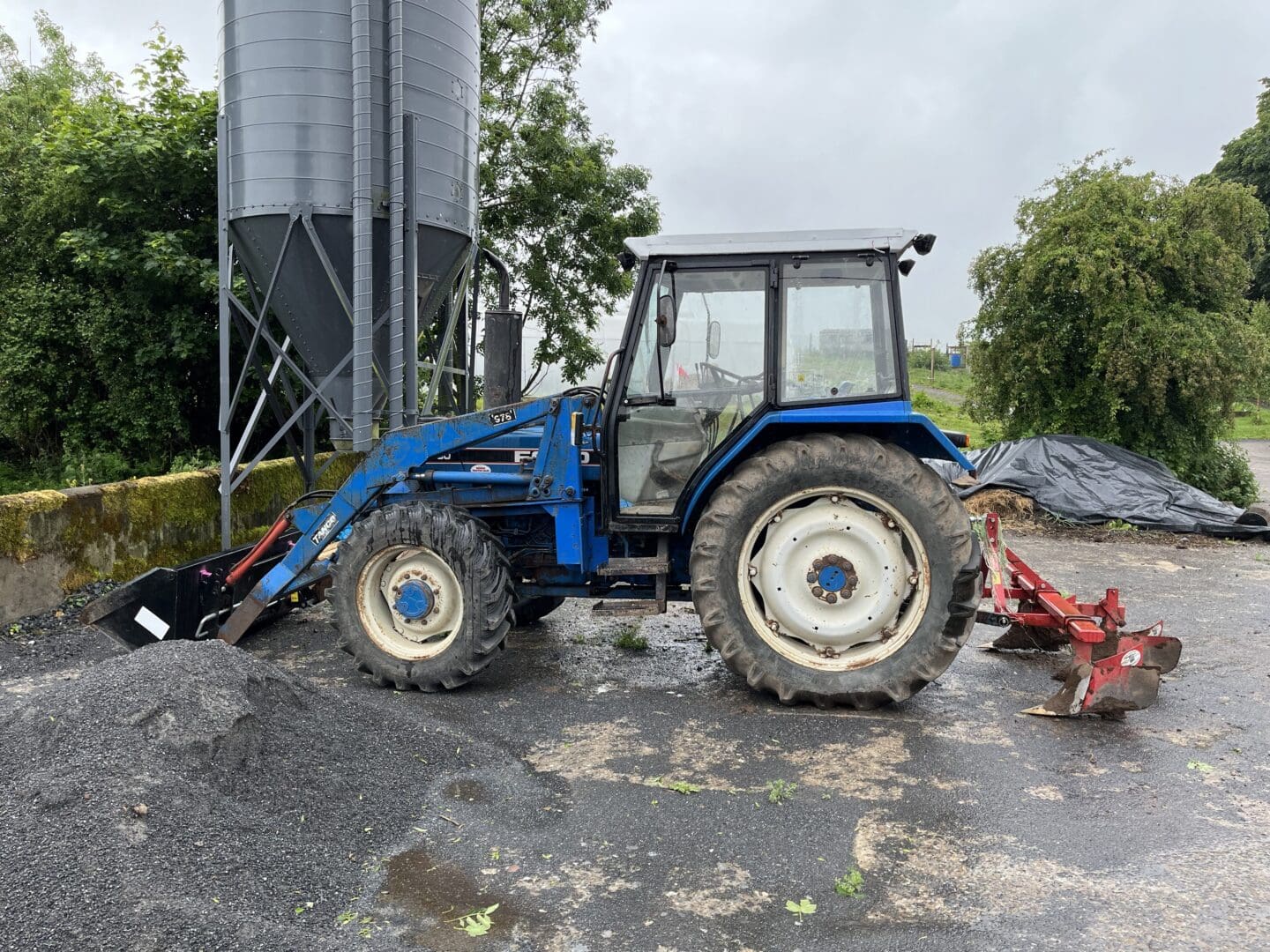
Marian is also delighted to see the supports now on offer to female farmers, and that their role is increasingly recognised by the Department of Agriculture, Food and the Marine (DAFM) and the wider community. “In the early days, it was very difficult to be taken seriously. Horticulture was associated with floristry. I wouldn’t be taken seriously driving a tractor or putting a plough on the back and you would have to be shown, and all that stuff,” she remembers. “But it is definitely changing, thankfully. Men and women bring something different to farming, and both are needed on the land. It is well overdue.”
9. Conclusion
Marian hopes that her farm will be recognised as a model farm in the future. “We hopefully will be tied into research projects around biodiversity, regenerative farming and soil,” she says. She hopes the farm will participate in SOILCRATES, a new EU- funded HORIZON project, and be a Lighthouse (i.e. community hub) farm for the project in the area. She also intends to collaborate with local research institutes examining the benefits of social farming.
She is currently planning to upgrade the walkways around the farm to showcase the good work they are doing for nature to visiting guests, while also growing food. “Let the people monitor it themselves and come and have a look,” she says. “My vision is that we become a go- to place where people say, ‘Let’s go to Doon Social Farm and have a walk around and have a cup of coffee’.”
With support from the CAP Strategic Plan 2023-2027, Marian and her staff are well on their way to making this vision a reality.
10. Image Gallery