How Native Breeds Are Creating New Opportunities in Modern Agriculture
6. ACORNS
Name:
John O’Halloran
Location:
Clifden, Co. Galway
Farm Type:
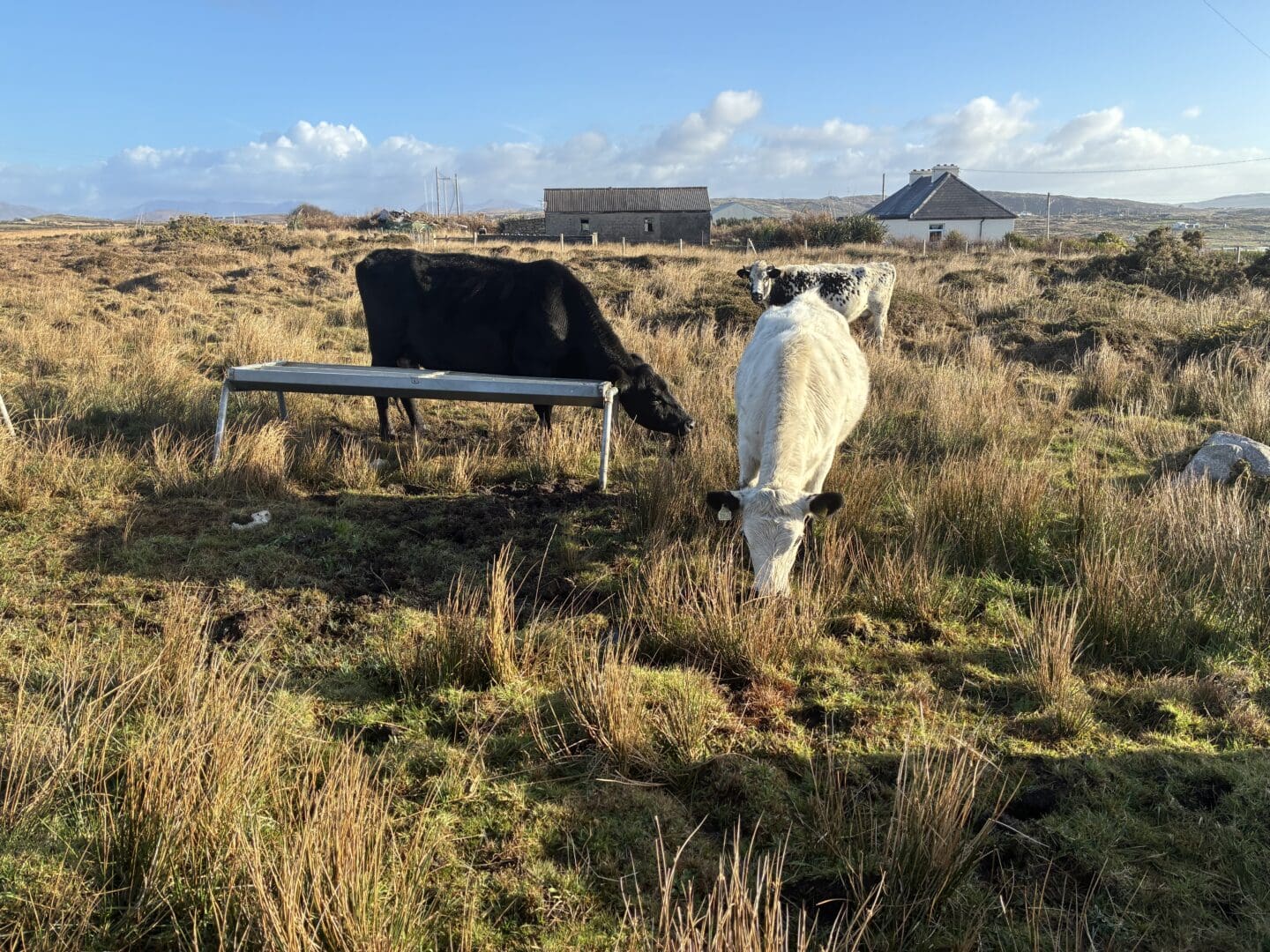
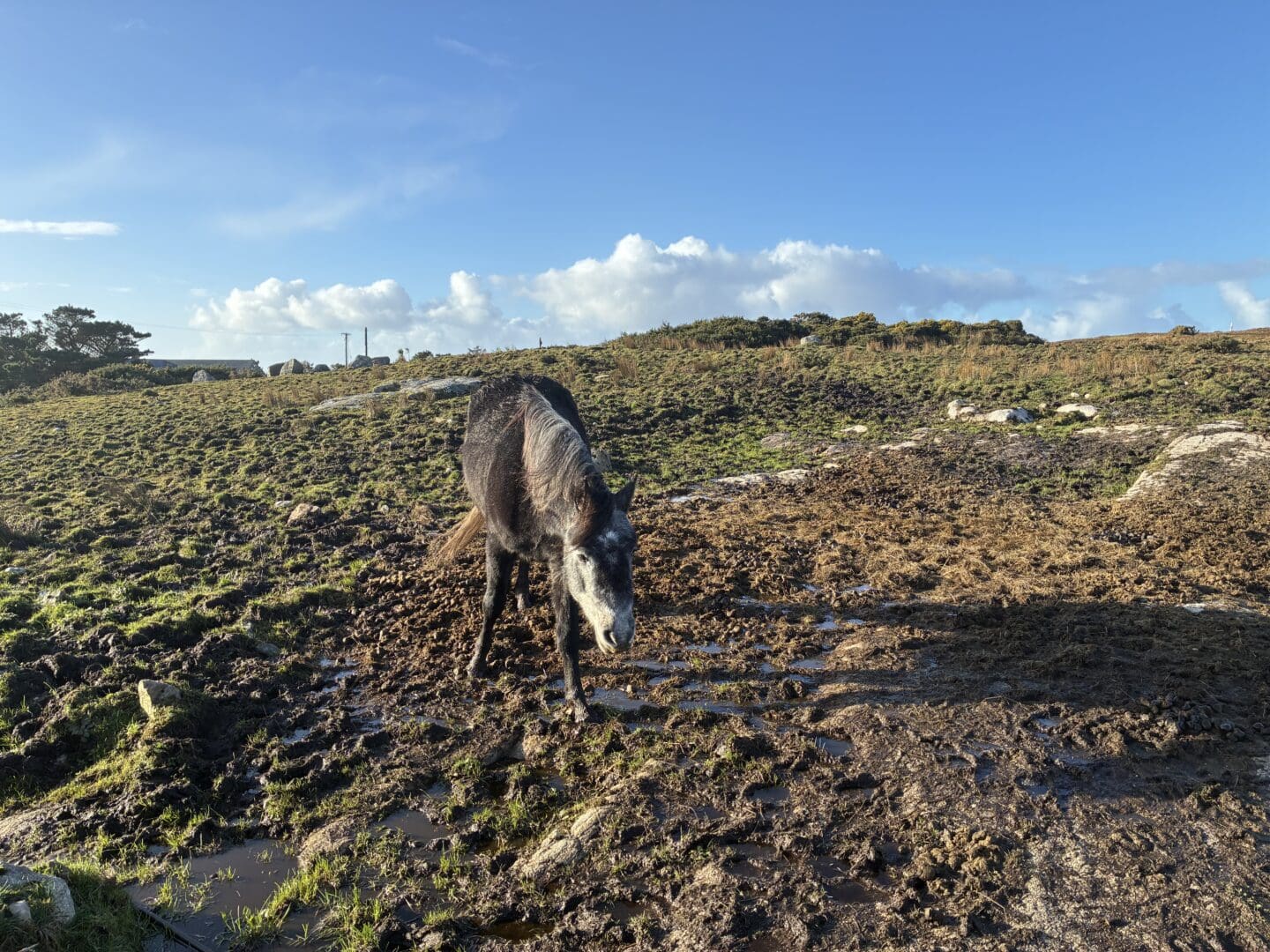
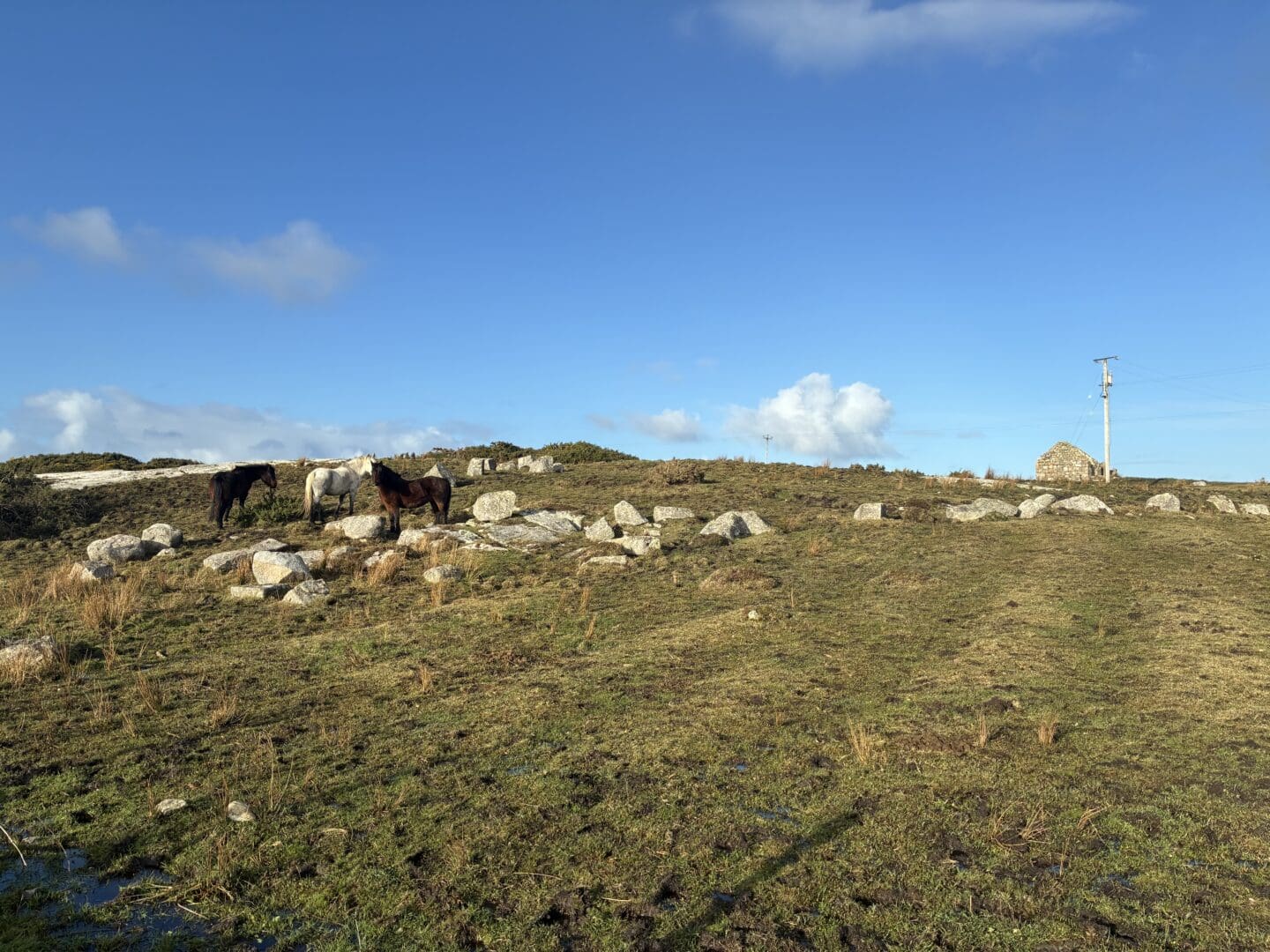
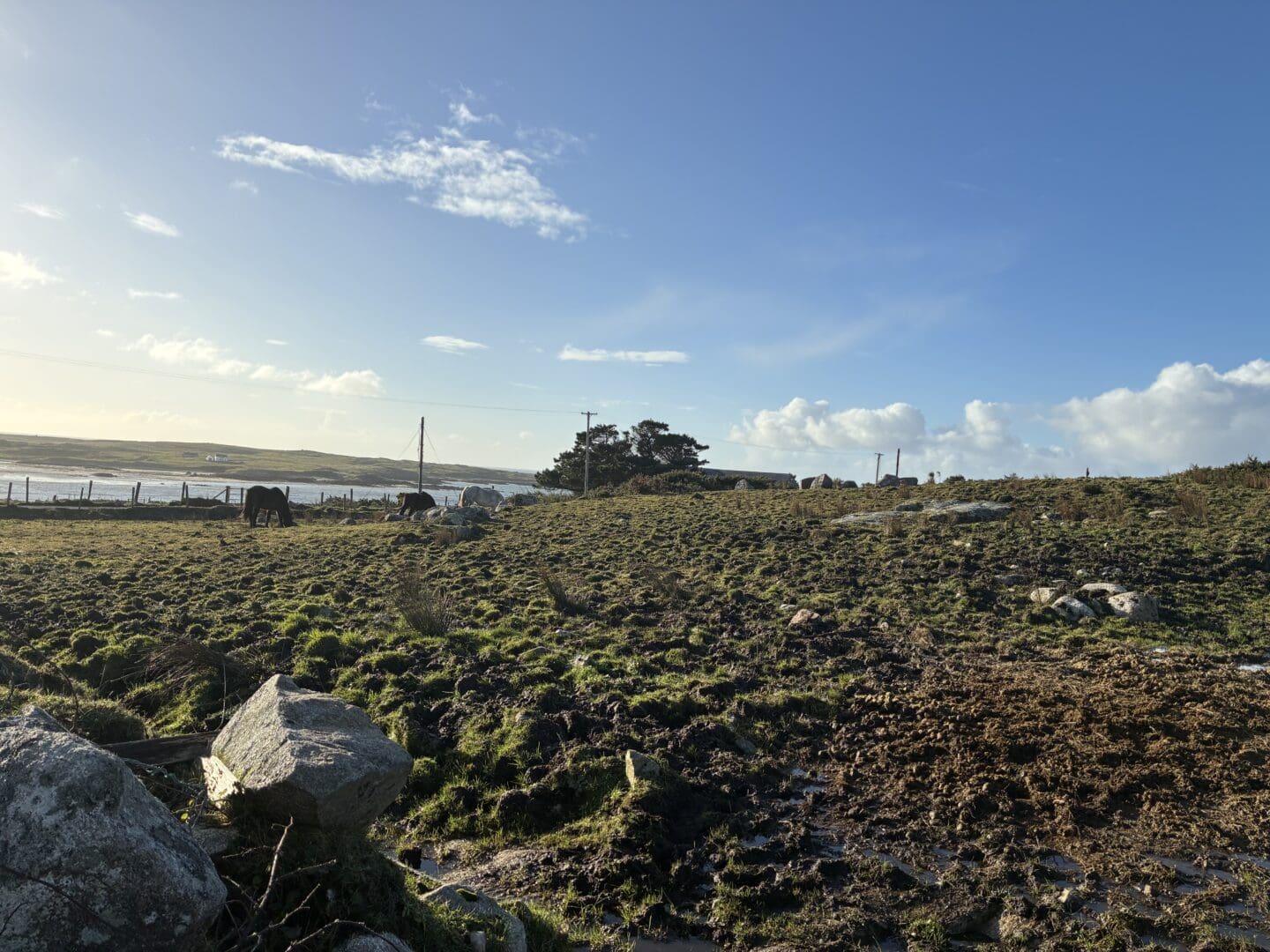
Native Droimeann beef cattle and Connemara ponies
Participating Schemes:
Basic Income Support for Sustainability (BISS) Scheme, ACRES, Organic Farming Scheme (OFS), TAMS & the Eco-scheme.
Farm Size:
90 acres (36.4 hectares), Herd of 18 cattle + 11 Connemara ponies
1. Overview
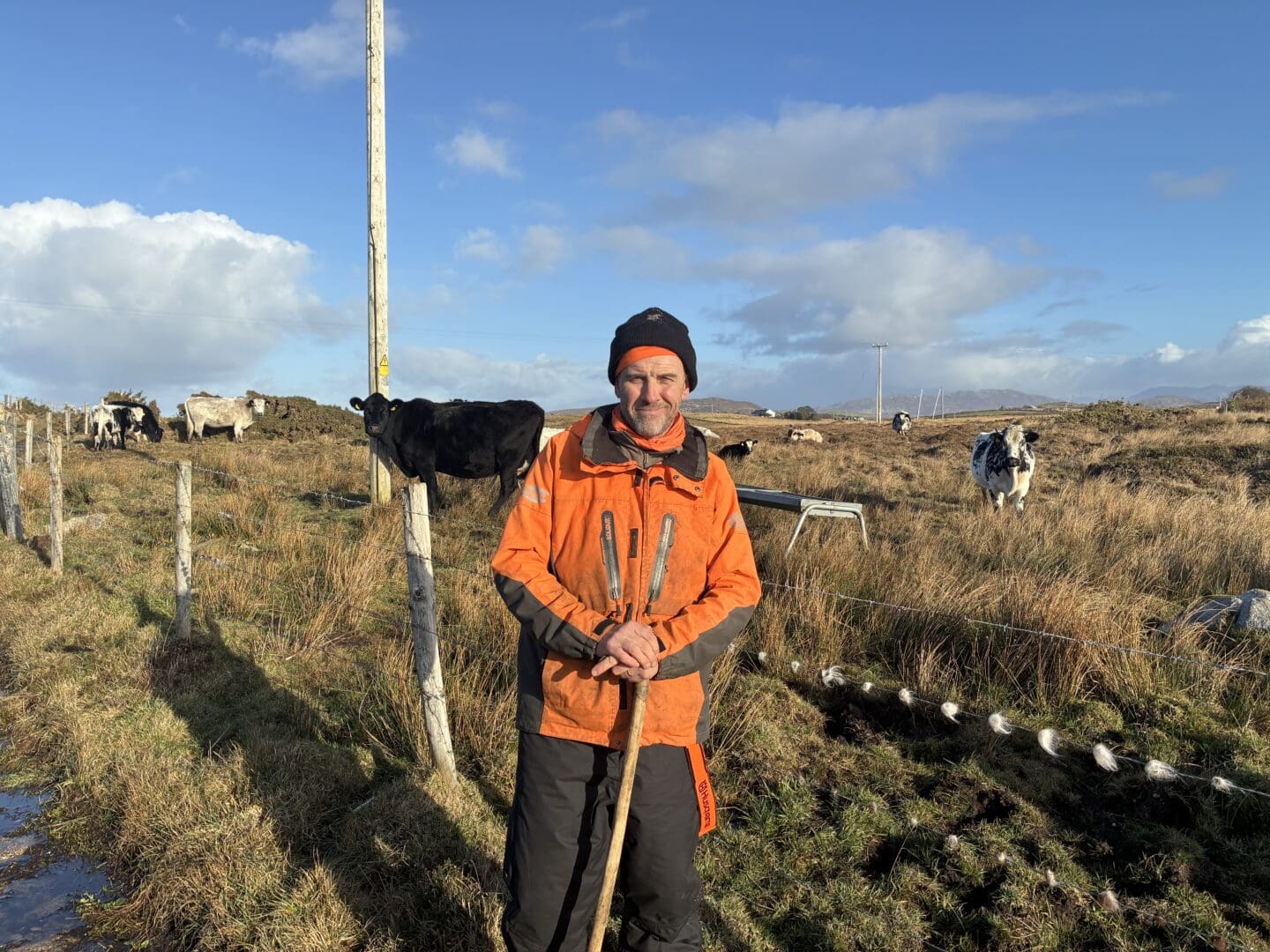
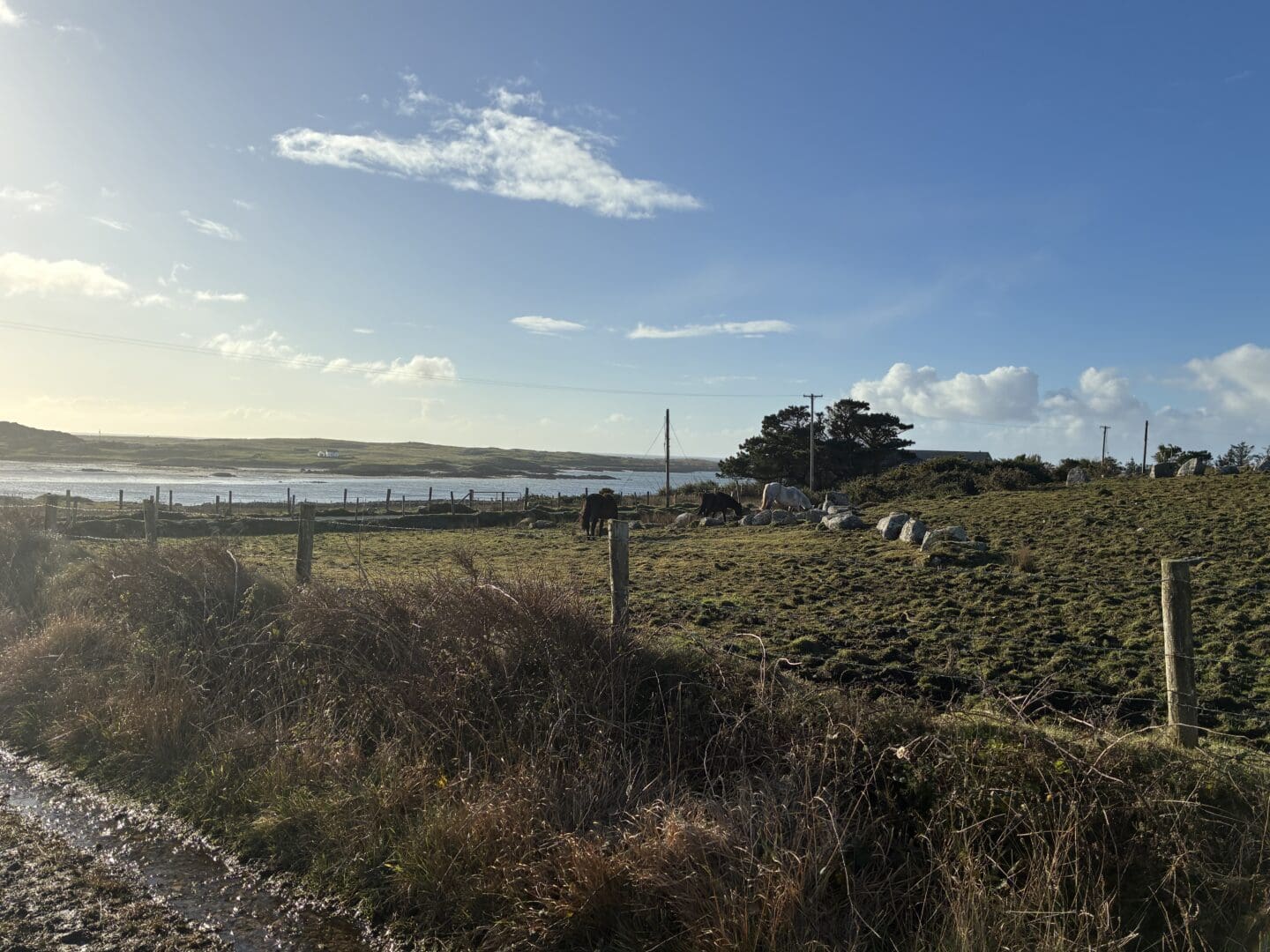
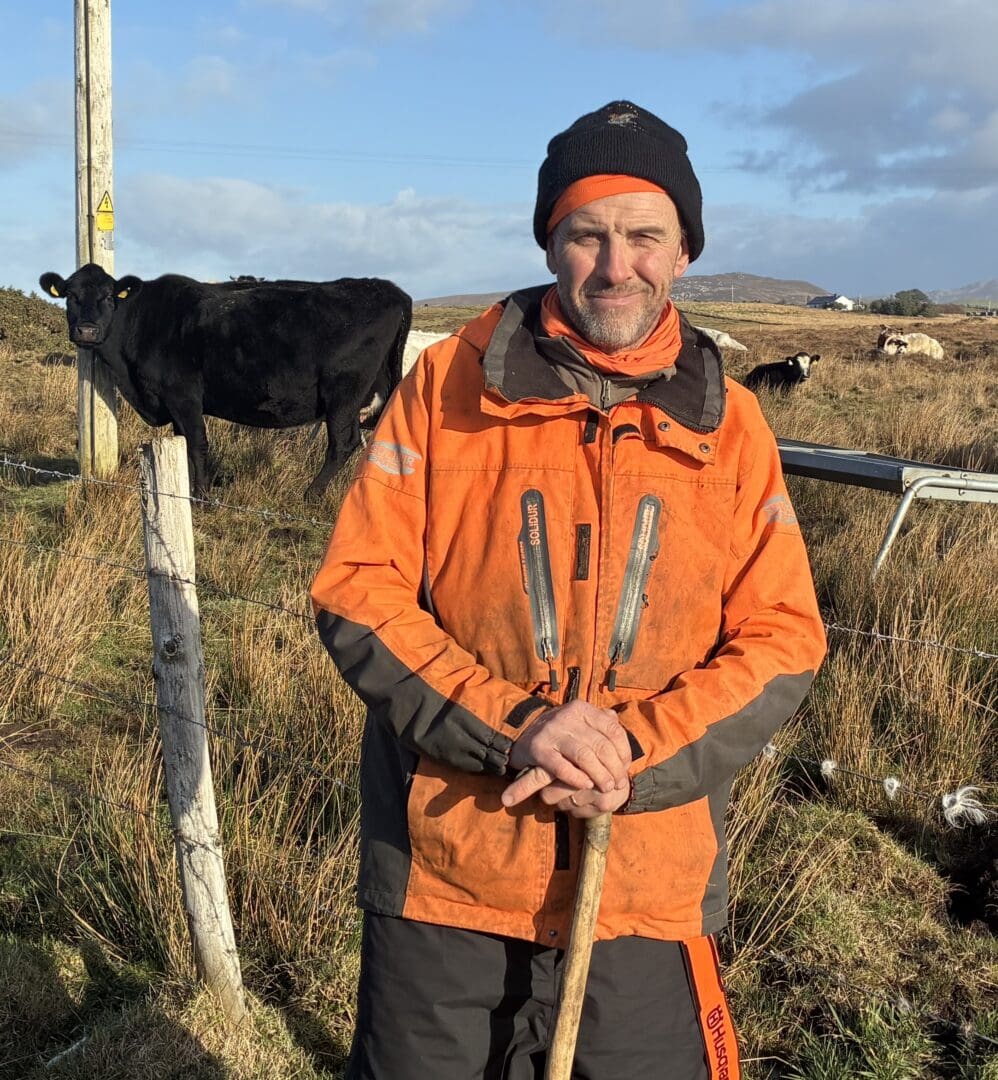
John O’Halloran is a part-time farmer in Clifden, Co. Galway, where he runs Droimeann cattle alongside Connemara ponies. An archaeologist and historian by profession, he has a strong interest in Ireland’s native breeds and now helps conserve Droimeann cattle. He is a board member of the Droimeann Cattle Society and plays a significant role in rebuilding and protecting the breed.
In addition to participating in ACRES with this breed, John is in his second year of conversion under the Organic Farming Scheme. He has also applied for TAMS 3 funding to install a solar panel system to become more self-sufficient in electricity.
2. Introduction
Cattle have always shaped Irish life, influencing the island’s landscape, culture, mythology, and economy. As John shares, one of his favourite descriptions of rural Ireland comes from UCD professor Kevin Whelan, who says, “the noise of the Irish countryside is the lowing of cattle.” Cattle have been in Ireland since the Neolithic, creating a deep cattle culture. For centuries, John says, they were “the backbone of the Irish economy” and still shape Irish culture.
John’s interest in the history of Irish cattle revealed that Ireland had several ancient native breeds: the Dexter, the Kerry, the Irish Moiled, and particularly the Droimeann.
3. Droimeann Cattle
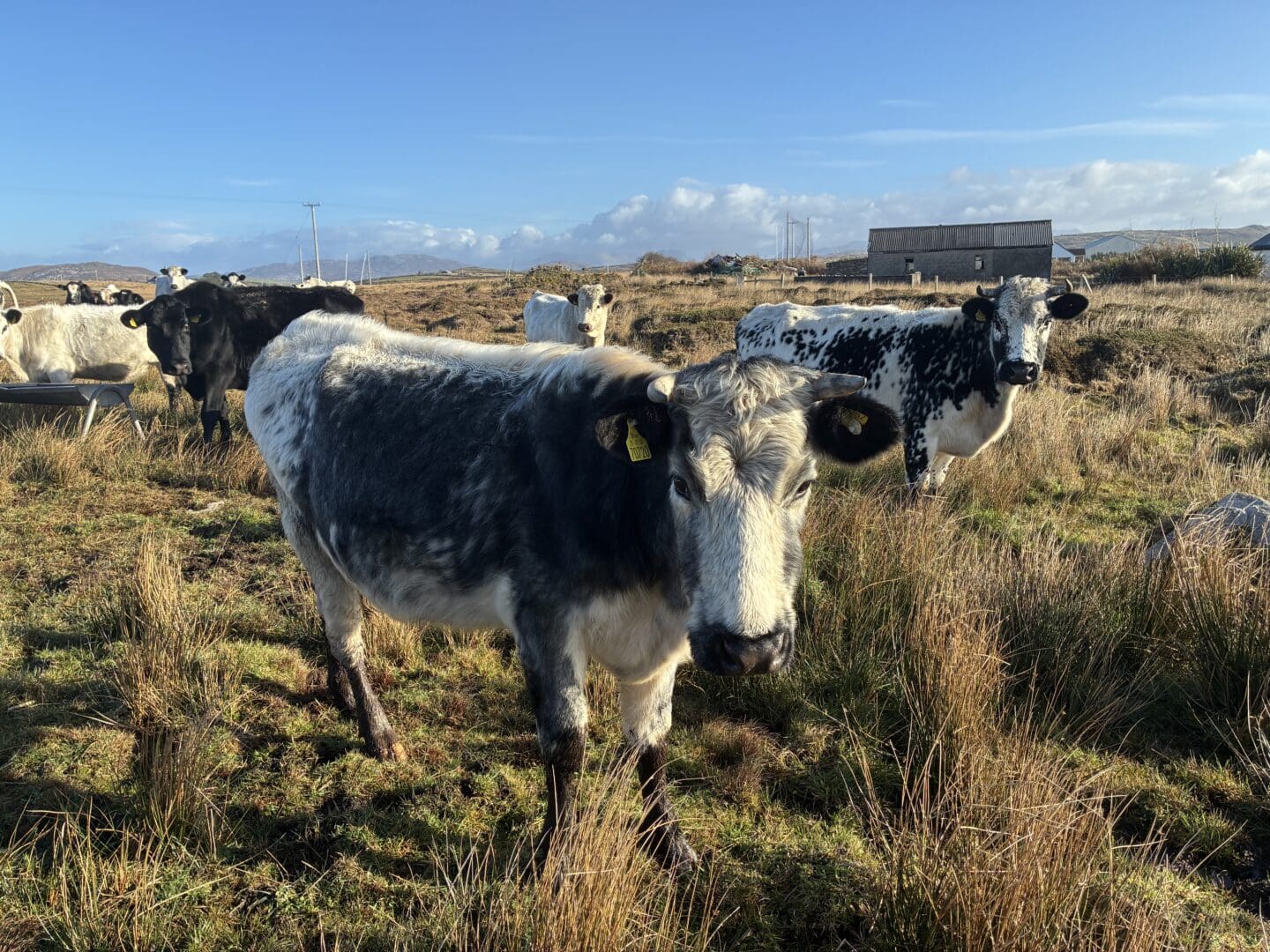
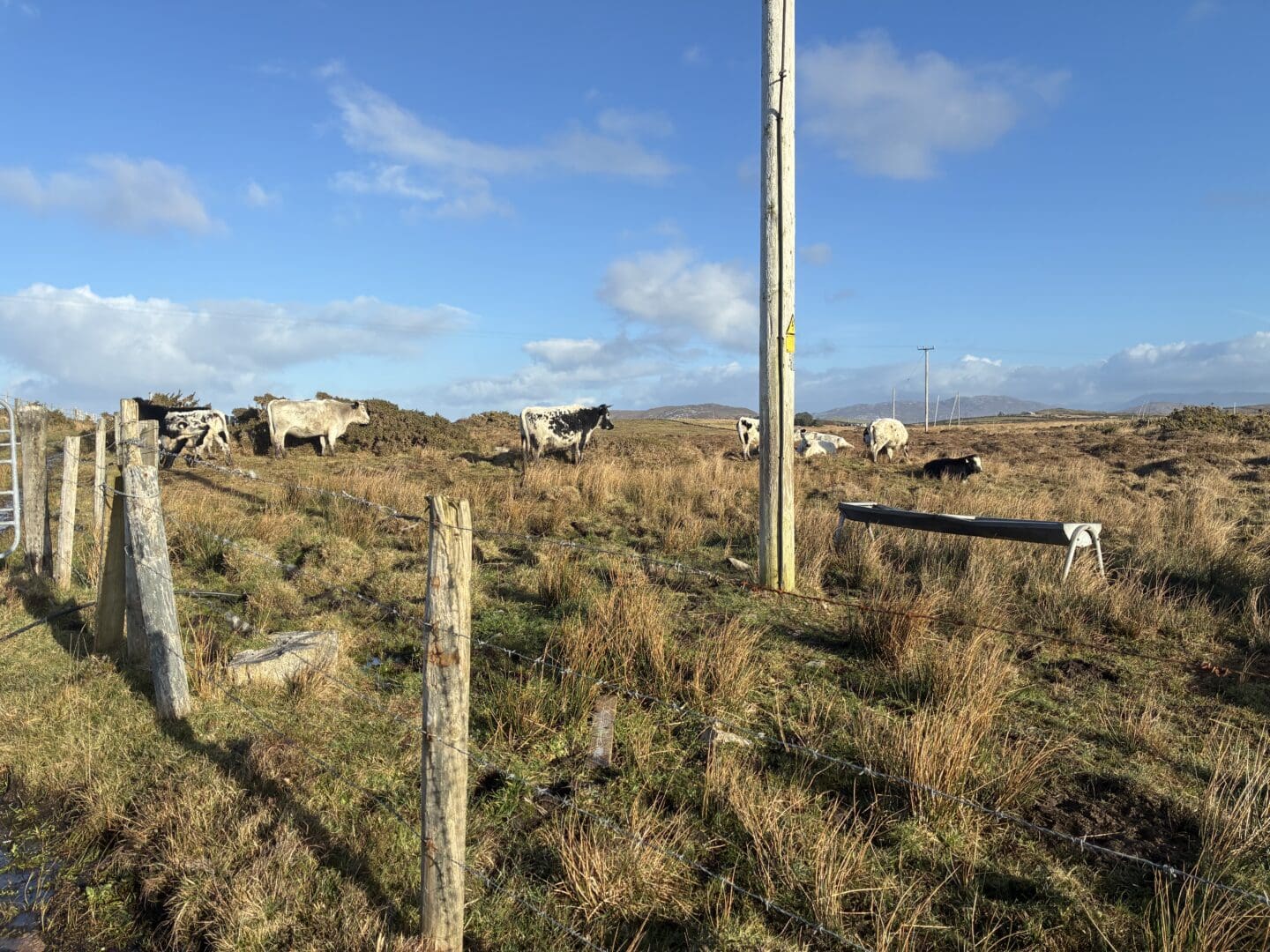
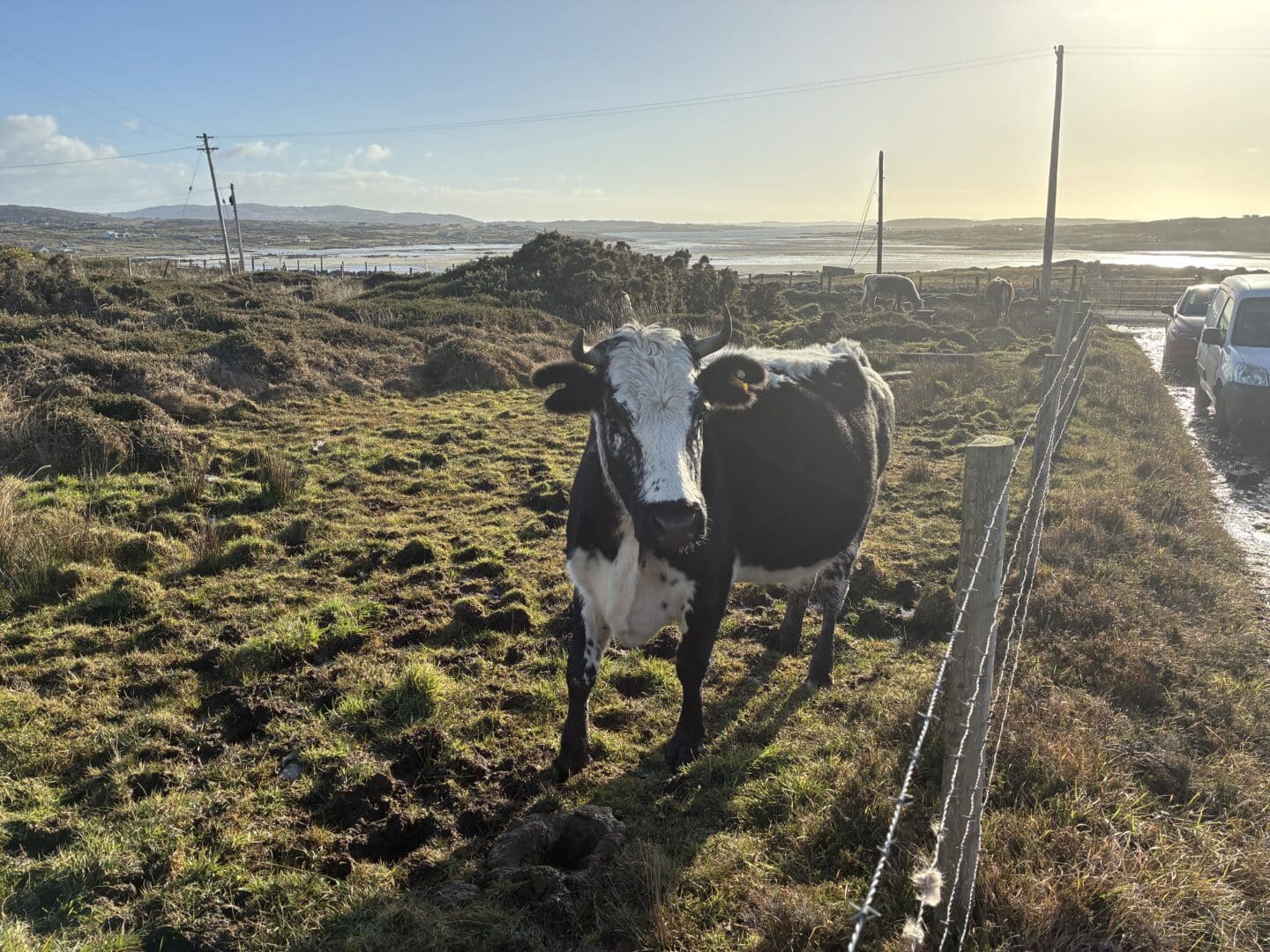
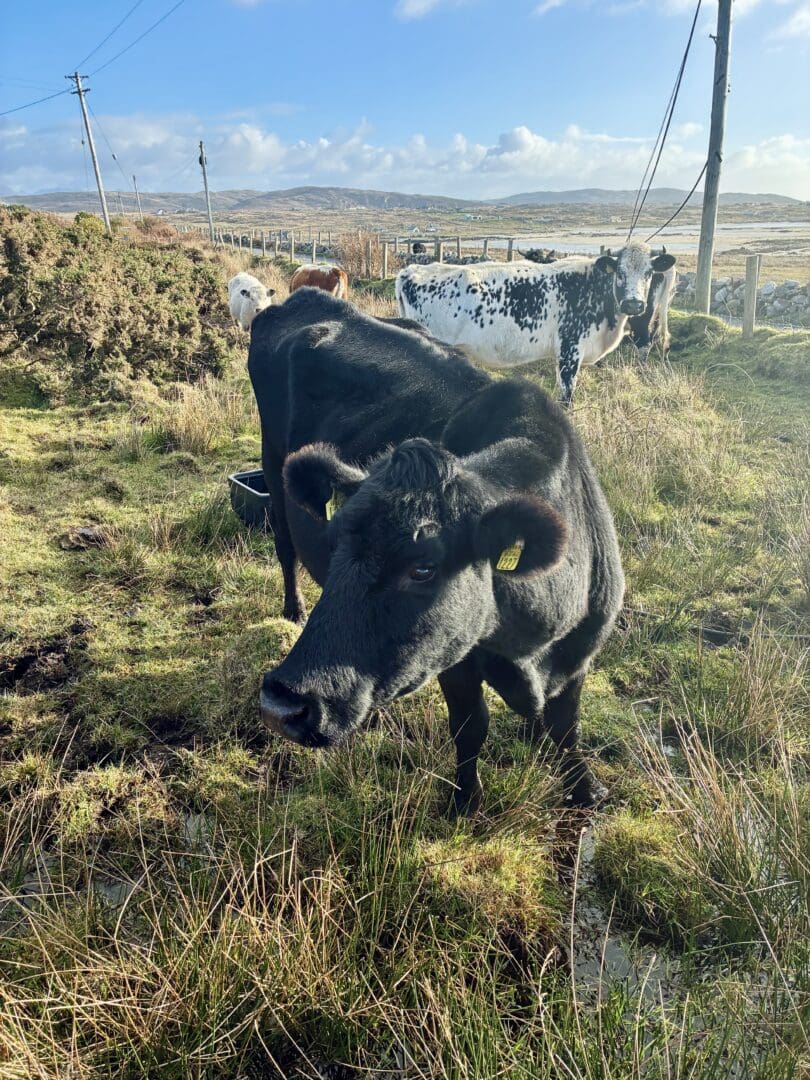
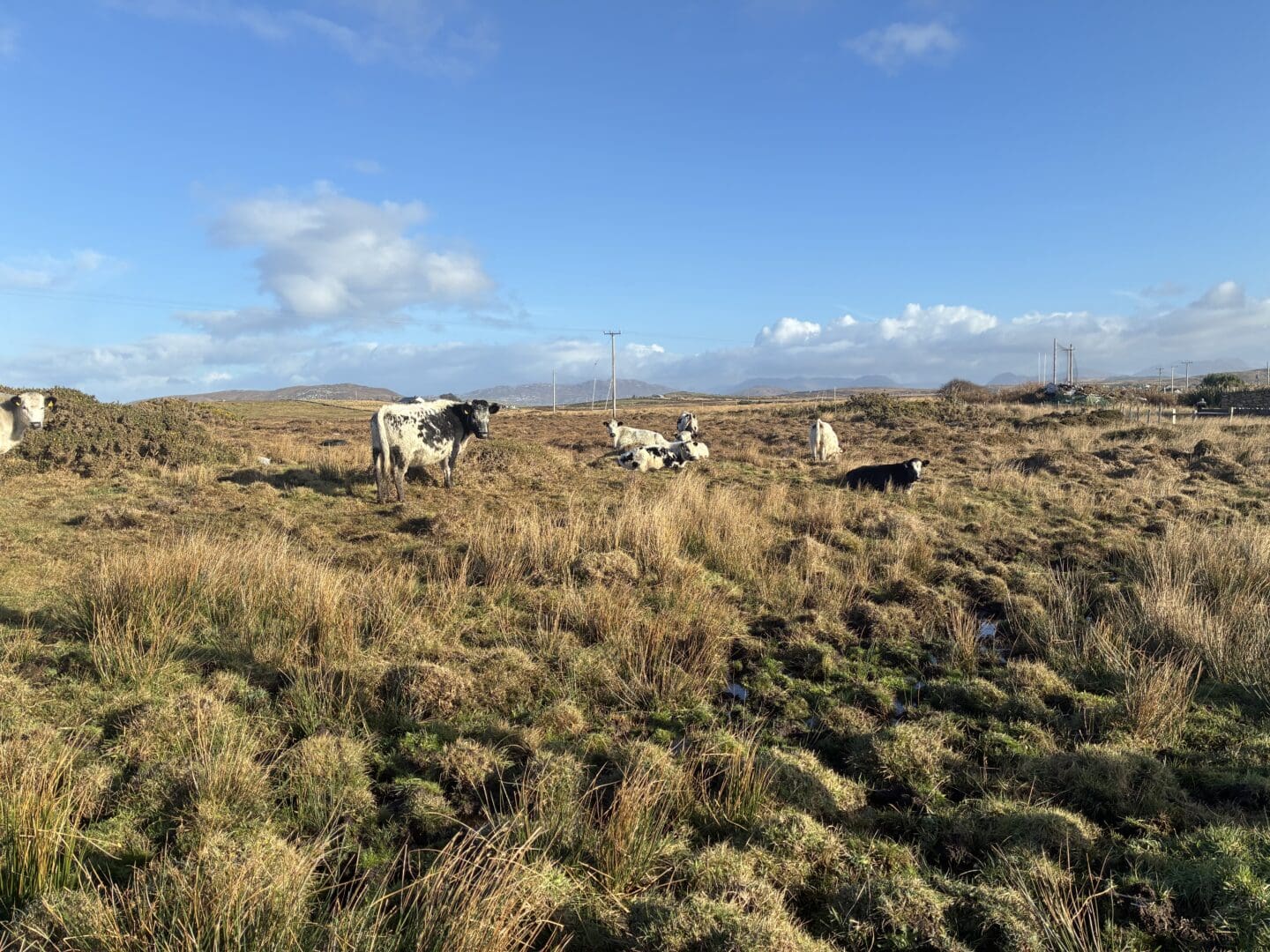
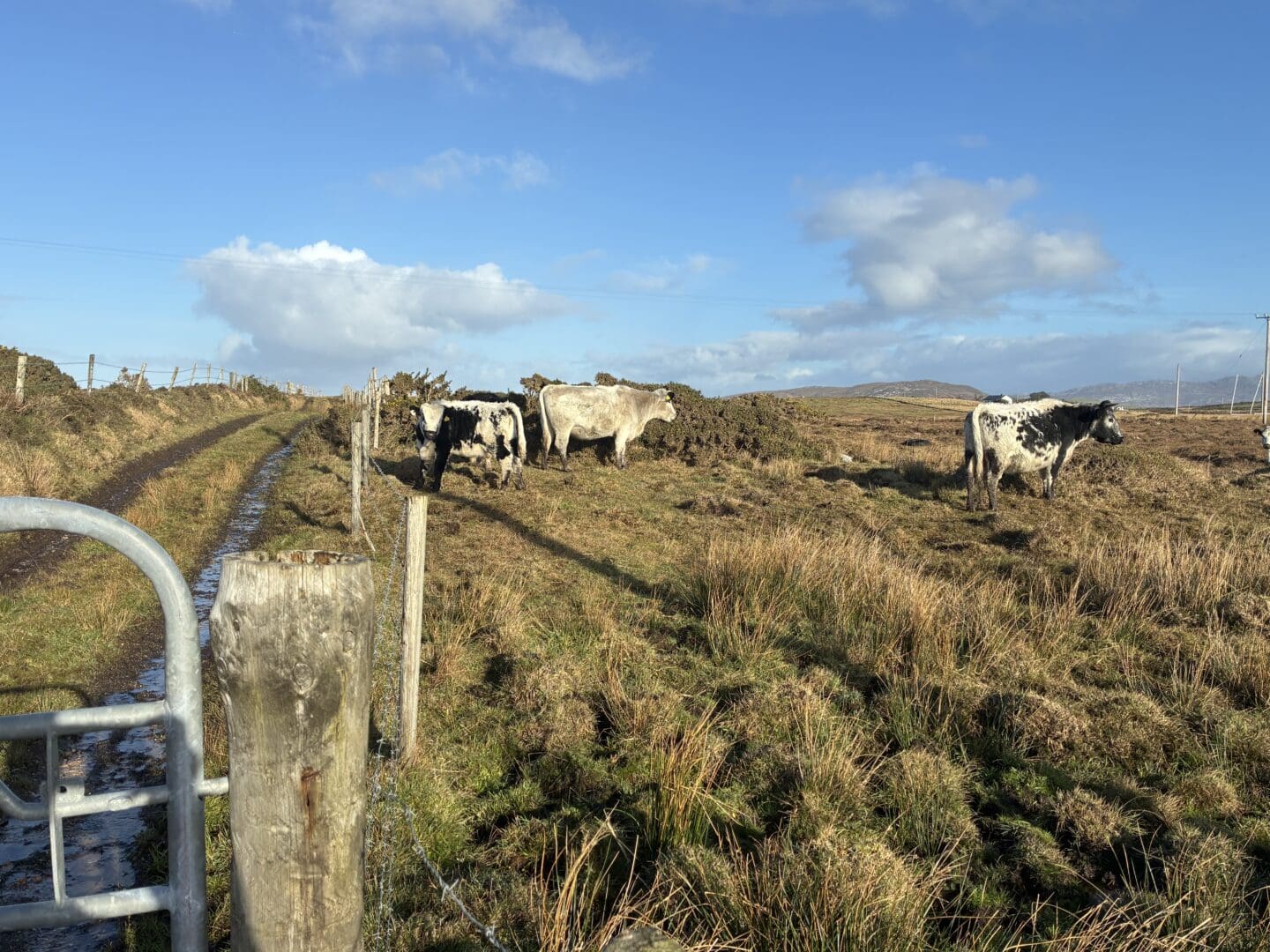
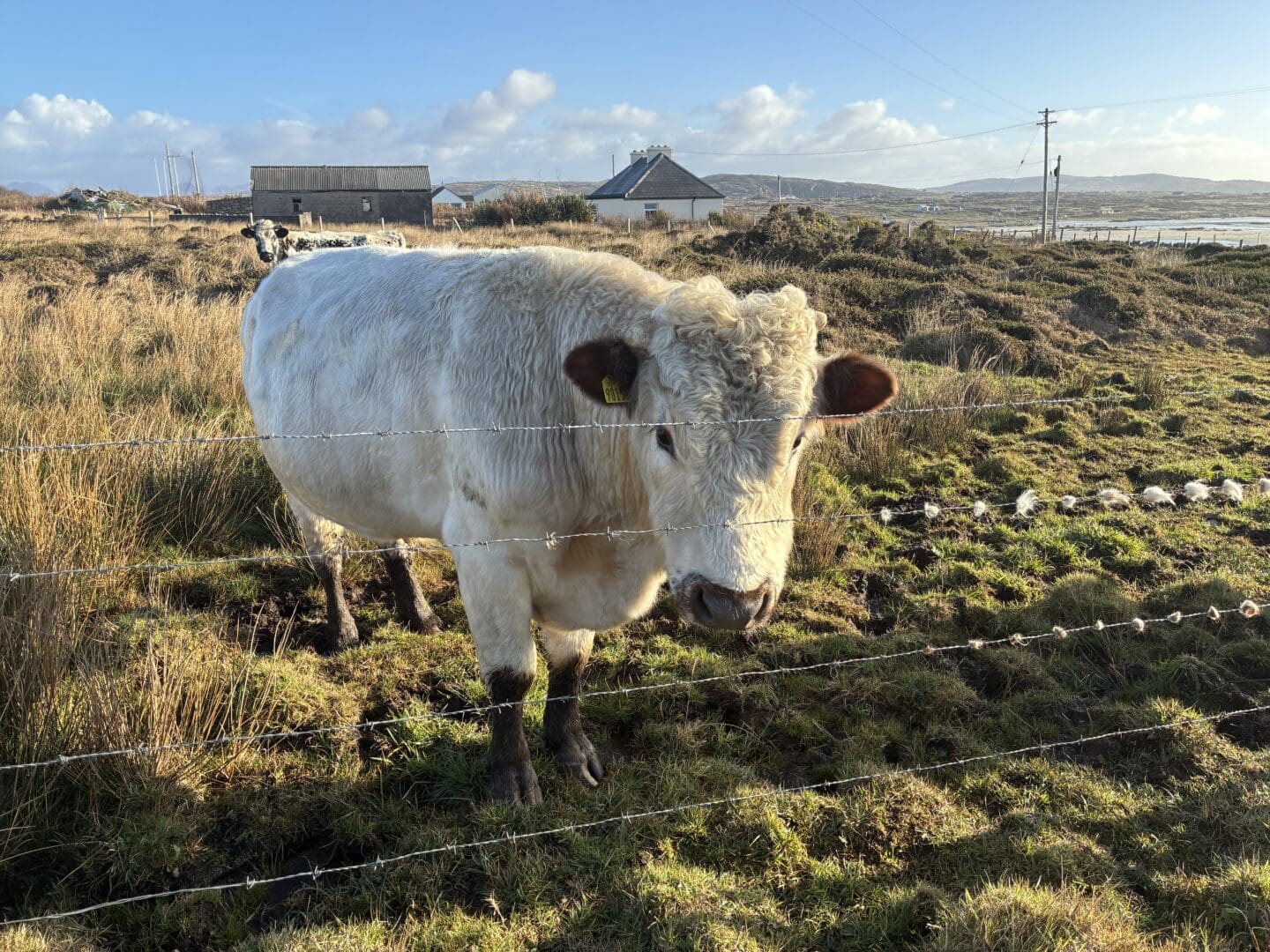
John’s interest in the Droimeann breed, meaning “the cow with the white back”, began as a curiosity and to add stock to the farm. He first encountered the cattle during a visit to Tom Keane, an experienced organic farmer in Limerick, who explained how low the breed’s numbers had once been. Seeing how the herd managed for suckler and organic dairy convinced John to try them, and the O’Hallorans returned to Connemara with two cows as a test run.
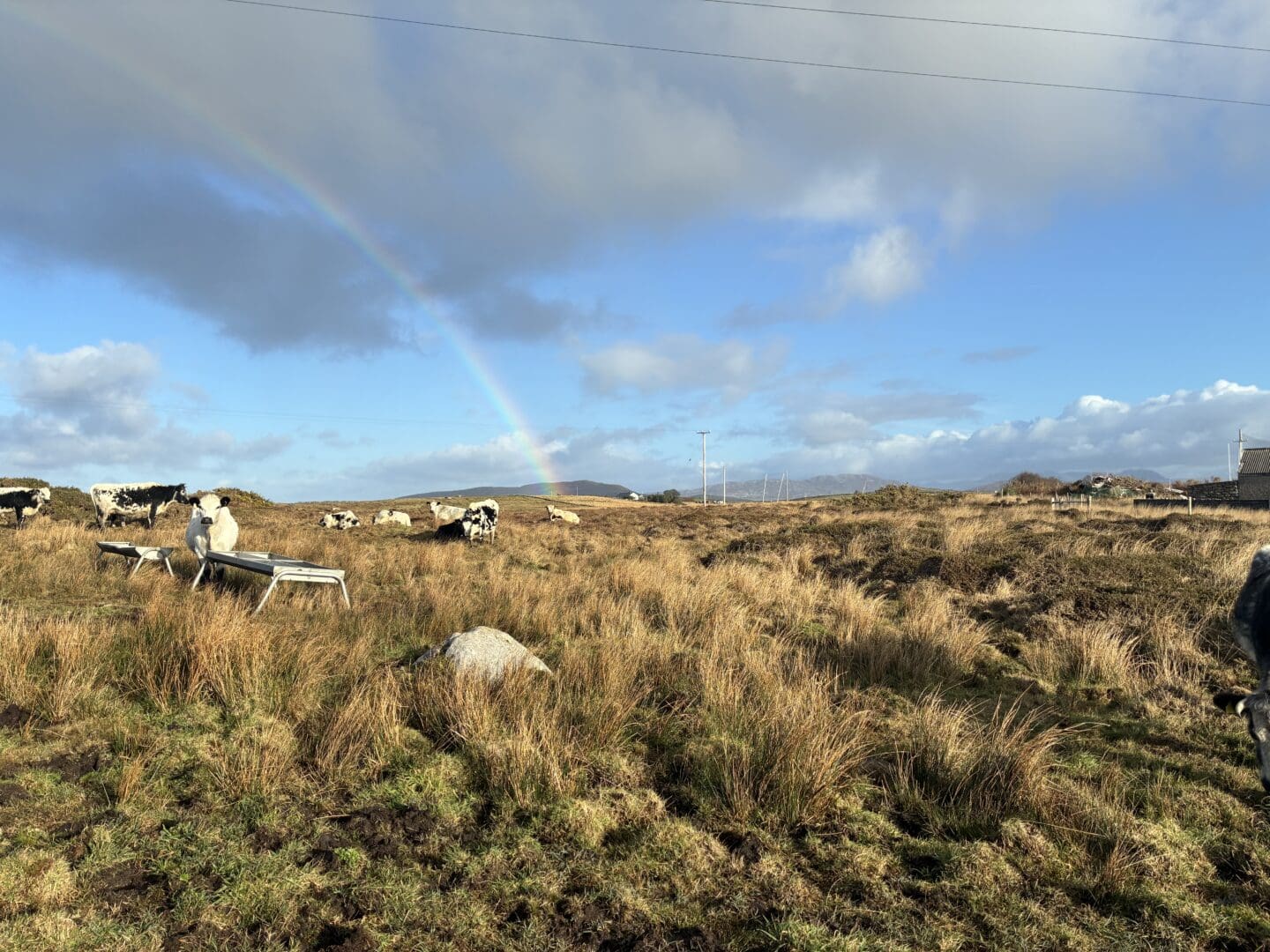
The turning point came during the wet winter of 2018. John spent much time feeding his commercial cattle, which struggled to maintain condition, while the two Droimeann cows coped easily. They thrived on rough forage such as rushes, brambles, nettles and even tree bark, wintered outdoors easily and required no intensive feeding. This showed John they could cut costs and labour.
Their traits reinforced that impression. Droimeann are extremely fertile and calve easily, and John says that they rarely require veterinary assistance: “In eight years of calvings, we’ve only needed the vet once,” he says. They are very milky, hardy, economical and require far fewer inputs than commercial breeds.
By early 2019, the family sold their commercial cows and committed fully to the breed. They bought six more, and the herd quickly expanded, with nearly thirty Droimeann on the farm two years ago, marking a complete shift in their livestock system.
4. The Importance of Supports
Through his role on the board of the Droimeann Cattle Society, John has seen how national support can transform the fortunes of a breed. In 2020, Droimeann cattle gained rare breed status and were included under the Conservation of Rare Breeds action within the ACRES scheme. This has driven the breed’s resurgence, as the measure helped many farmers secure entry to ACRES, while the associated payment increased the breed’s attractiveness. John notes that “in 1997, there were 50 to 60 Droimeann females left in Ireland, with few bulls, whereas by 2025, there are almost 800 breeding females, along with registered bulls,” showing support matters.
The breed is suitable for conservation grazing, which also allows it to fit with other ACRES-supported measures. This approach is recognised by ecologists and the National Parks and Wildlife Service as essential for maintaining open habitats and biodiversity, particularly for threatened bird species. As natives shaped by these environments, Droimeann excel in this role. “They’ve shaped this landscape for thousands of years, and now we’re bringing them back to help maintain it,” John notes. Alongside ACRES, the Society secured a Genetic Resources Grant to support AI and semen storage, protecting key bloodlines.
But John notes that recognition isn’t enough; the breed must also be viable. So, the Society focuses on ensuring that Droimeann keep value beyond novelty. The aim is to ensure farmers see it not just as a rare breed, but as a productive animal for modern farming. One major step has been promoting the high quality of Droimeann beef, leading to the creation of the beef box initiative.
5. Beef Boxes
"It's Irish family farms selling their beef directly through Irish family-run businesses straight to the consumer."
Since 2024, the Droimeann Cattle Society has focused on long-term planning to highlight the qualities of Droimeann beef. The animals grow slowly and thrive on varied forage, producing marbled meat with a deeper flavour. On coastal farms, he explains that “The chef will tell you they can taste a hint of salinity, a sort of salty, caramel-like note, because we’re by the sea and the cattle feed on sea grasses.”
To build a premium market, John and other breeders worked with leading chefs and butchers, offering samples and gathering feedback. This showed them what high-end buyers want and refined their production methods. They realised that small breed numbers make a steady supply impossible, so the best approach is to offer limited beef boxes and work with quality-first buyers. The target market is consumers who eat less meat but prefer high-quality, organic beef. This created a clearer identity for the initiative. As John explains, “It’s Irish family farms selling their beef directly through Irish family-run businesses straight to the consumer.” Cutting intermediaries allows farmers to retain more value. Early interest was strong, and the Christmas release of the first boxes sold out.
6. Farming Organically
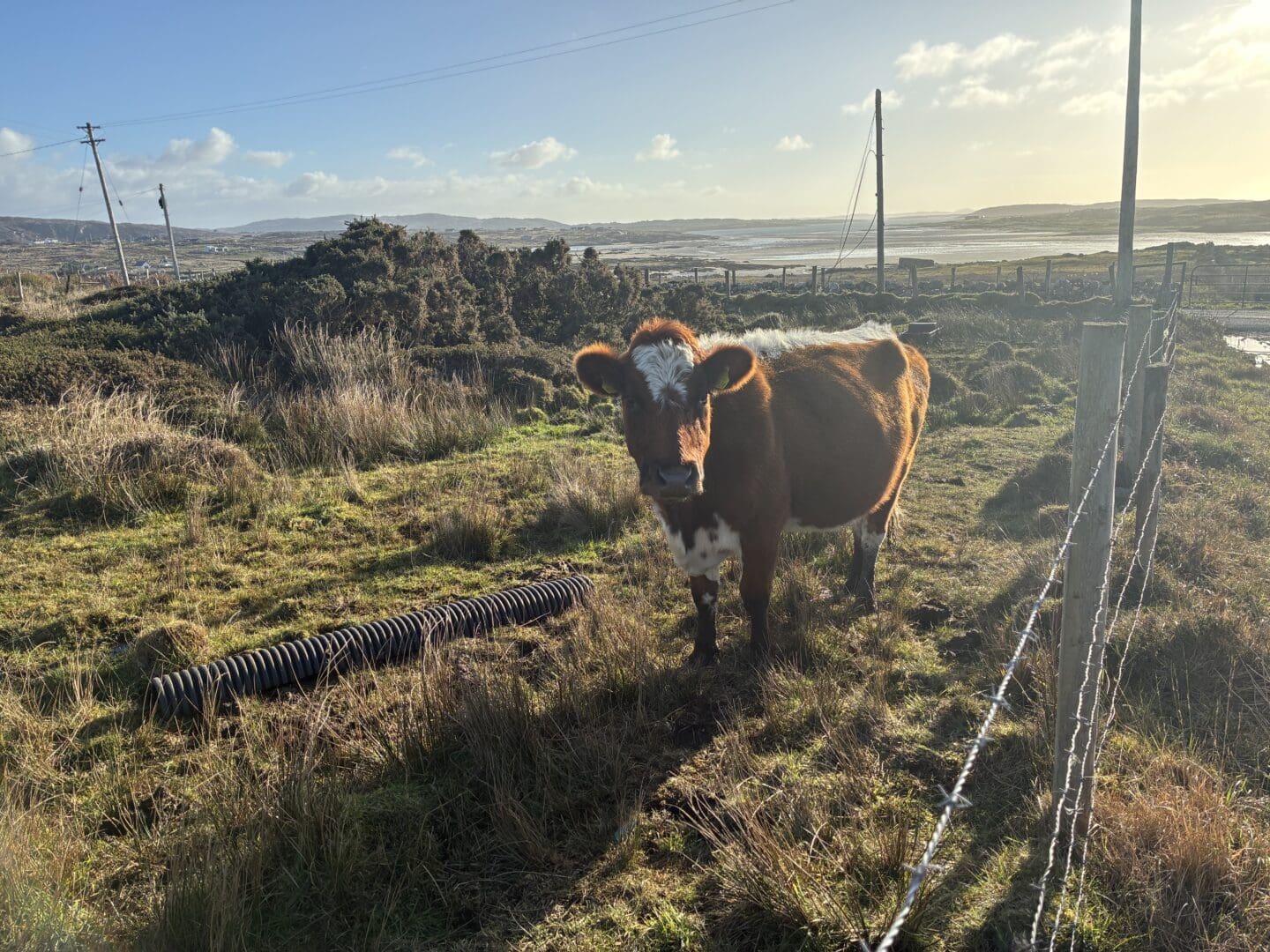
Two years ago, the O’Halloran family began the conversion to organic farming, a step that, in many ways, formalised what they were already doing. As John explains, they had long followed a permaculture approach, using no herbicides and artificial fertilisers since 2020. For a small farm, cost mattered, and organic made sense once the numbers added up. The transition brought challenges, especially paperwork and compliance, but overall, John sees it positively.
7. Capital Farm Investments
The farm was recently upgraded, with a rebuilt yard and a new lean-to shed, calving pen, storage space, and feed area. As part of these improvements, the stable and cow shed now offer roof space for a solar installation, prompting John to apply for TAMS 3 support. The plan is to install around forty solar panels with battery storage. This aims to offset rising electricity costs, both domestic and agricultural, and make the farm more resilient in the future. Over time, John has seen how changing weather patterns make greater autonomy increasingly important.
8. Shaping the Future of Farming
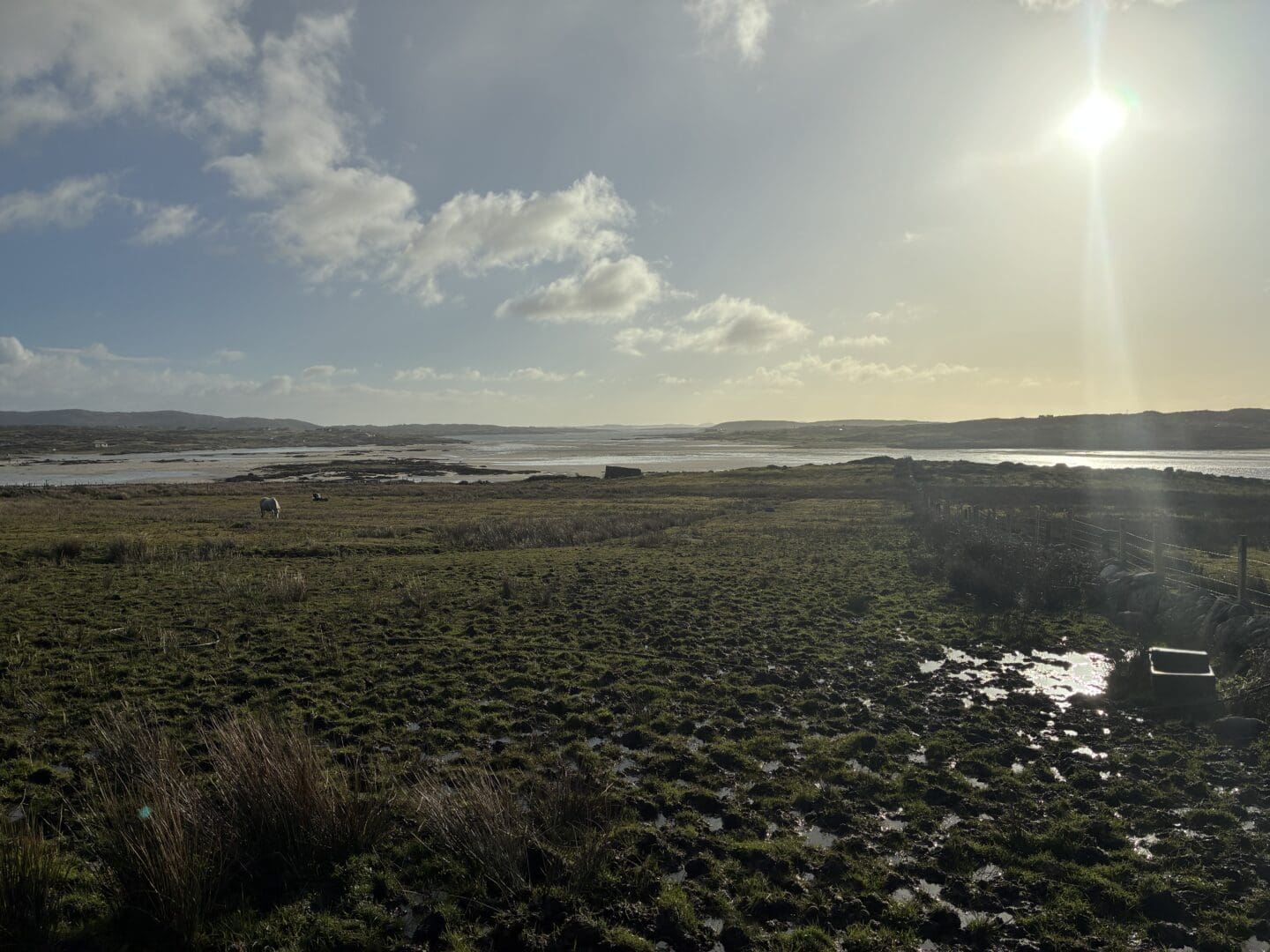
Looking ahead, John believes that farmers on marginal land will need to farm differently. Rare breeds, new schemes and evolving environmental supports will all play a part, but he insists that farmers must still produce for a market. For them, the Droimeann and their model offer one pathway. If they can sustain demand, they hope it will create added security around the farm ahead. John also speaks to the deeper meaning of preserving the breed: “I’ve always thought that for centuries this breed of animal helped keep Irish people alive. So, we in 2025 and going into the future, owe it to them to keep that part of the tradition alive as well.” What matters is the willingness to adapt, explore and shape viable systems on marginal land.
9. Image Gallery