The Irish Farm Report 2026, recently published by IFAC, surveyed over 1,100 farmers and its findings were significant regarding farm succession, with 40% of respondents declaring that they did not have a formal successor and 20% did not have a successor at all. Traditionally sons, nephews and other male relatives are considered when identifying a farm successor. It would be an interesting exercise to find out what percentage of these respondents considered their daughters, nieces or other female relatives when answering the question.
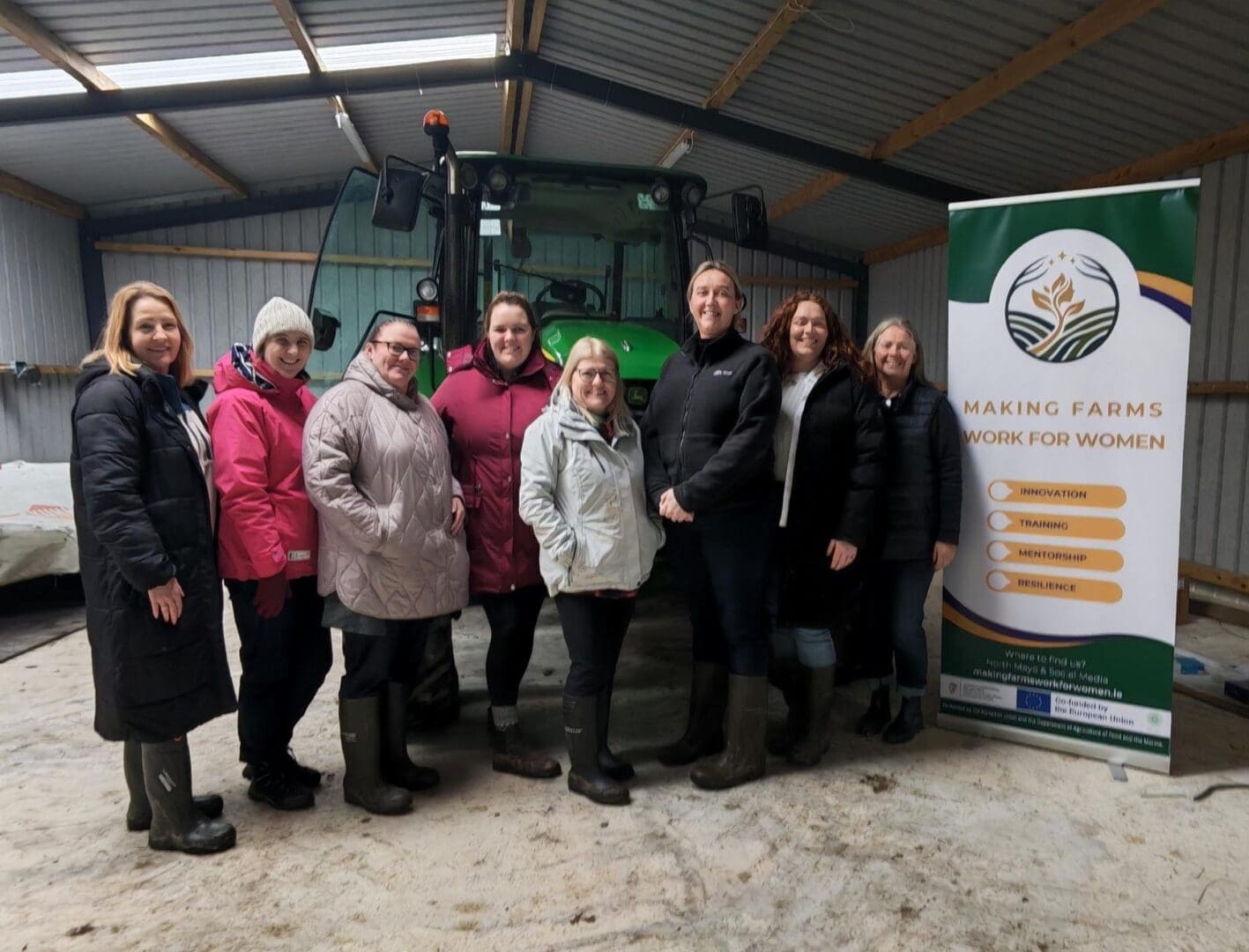
2026 is the International Year of the Woman Farmer and is recognising the valuable contribution women make to family farms that often go unrecognised. In the Irish context, the contribution of women is multi-faceted and important for most family farms. Many women manage the farm accounts and ensure compliance with supports under the CAP Strategic Plan 2023-2027. Most women supply labour to the core enterprise of the farm while often contributing supplementary income through farm diversification enterprises or off-farm income. Many also provide unpaid care for children and elderly parents.
There are thousands of female farmers successfully managing their own farms in Ireland. According to the most recent data from the Central Statistics Office’s Farm Structure Survey 2023, there were 17,519 female named farm holders, representing about 13.2% of all farm holders nationally. There is therefore little justification in not considering female family members as a successor based on their abilities. Ignoring the potential of female relatives when considering a farm successor can be damaging on many levels. It can create understandable resentment and damage long-term family relationships.
From a legal standpoint it is important to give due consideration to female family members. For example, under the Succession Act 1965, children can challenge a will if a parent has failed in their “moral duty” to make proper provision for them. This means that daughters have the same legal standing as sons. If excluded unfairly, they may take a Section 117 claim. Court disputes can result in forced redistribution of farm assets. It is true that historically, farms were often left to sons, but Irish courts now take a more balanced approach.
Farm succession is a complex issue and there are many factors that impact farmers’ decisions. It is important for farmers to seek timely professional advice to protect the farm, comply with Irish law, and avoid family conflict. Additional benefits of engaging professional advice to create a sustainable farm succession plan are:
- Manages conflict while a successor is being chosen
- Maximisation of tax reliefs
- Prevention of costly mistakes
- Protection of the farmers financial security
- Safeguard the long-term future of the farm
- Facilitates effective retirement planning
Farmers can usually access the succession advice they need through their farm adviser, solicitor and accountant. Local Citizens Information centres can be a good place to start. Teagasc also organise annual Transferring the Family Farm clinics across the country.
Financial supports for this process are available through the Succession Planning Advice Grant and the Collaborative Farming Grant.
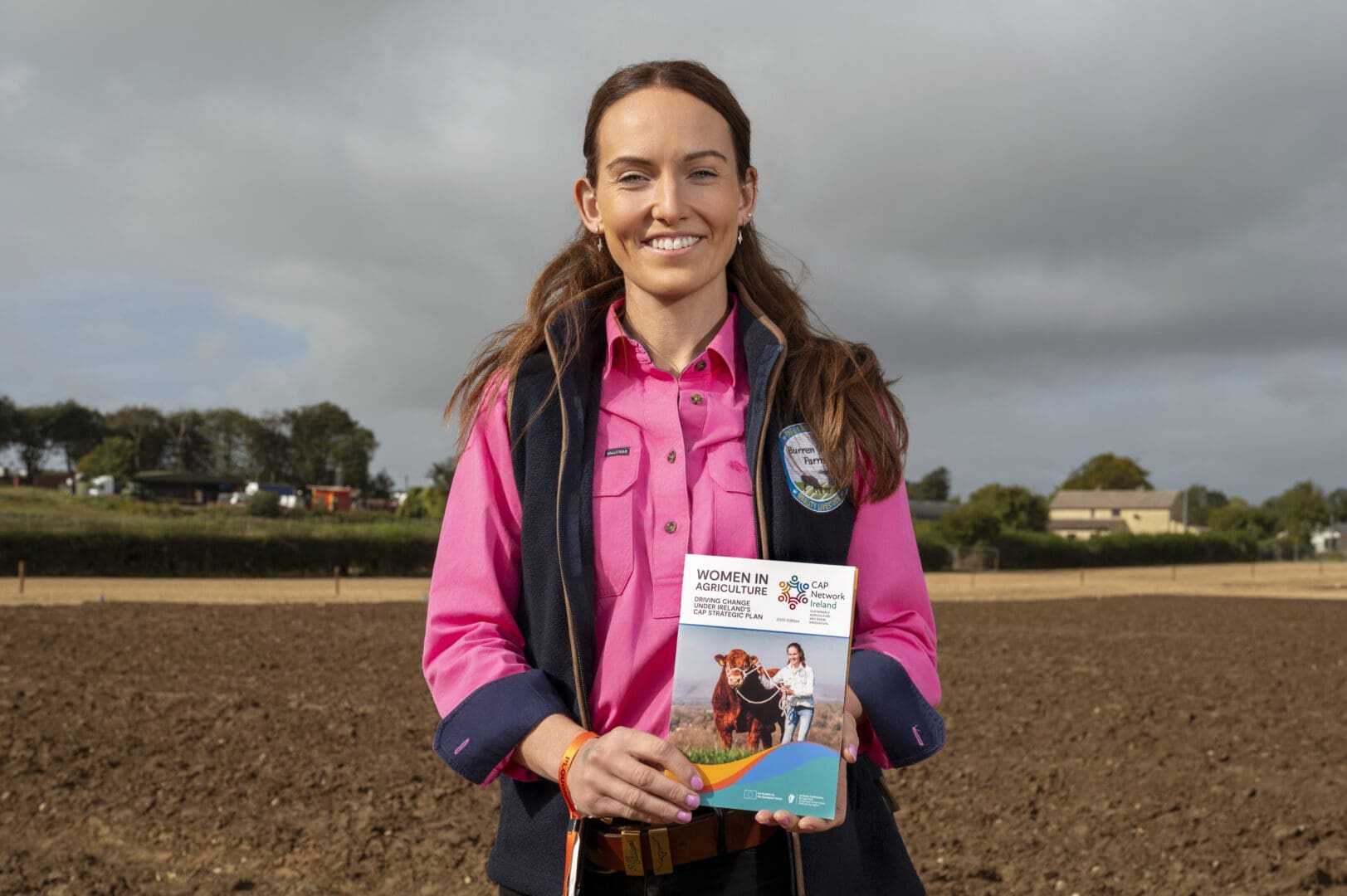
Read our Women in Agriculture: Driving Change Under Irelands CAP Strategic Plan booklet to discover the various ways women are contributing to Irish farms.