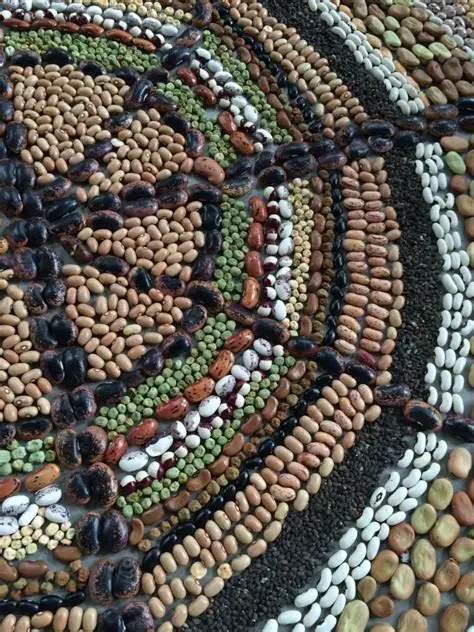
Biodiverse crops are characterized by their genetic diversity and are often traditional varieties that have adapted to specific environments over time, to have greater performance, resilience, and quality. Bringing these crops to market presents several challenges, many of which stem from their unique nature, niche market, and the lack of infrastructure or awareness to support their value.
The DIVERSIFOOD project published a booklet that provides guidance on the marketing of biodiverse food products. The booklet describes valorisation strategies, innovative networks, recognising the specific quality of biodiverse crops, models of development, communication about added value, fair pricing and benefit sharing across the value chain, investment in credibility, and an evaluation matrix for the valorisation of products from biodiverse crops.
The booklet can support the involvement of all actors along the supply chain from plant breeder, to consumer. Through network interactions actors discuss the value of crop genetic diversity, traits of varieties, growing practices, nutritional and organoleptic properties, economic opportunities, and legal problems, therefore finding solutions to develop biodiverse products. The interaction among different types of knowledge and knowledge carriers allows mutual learning, creating new opportunities and developing collective awareness and identity.
The booklet demonstrates how a coherent valorisation strategy relies on the social processes underlying the development of biodiverse products. It is through network interactions, that effective awareness raising, knowledge generation, changes to production, processing and consumption, all take place. The booklet provides guidance on facilitating these networks, providing information and tools to develop and valorise products from biodiverse crops.
To read more about this innovation you can visit the project website here.