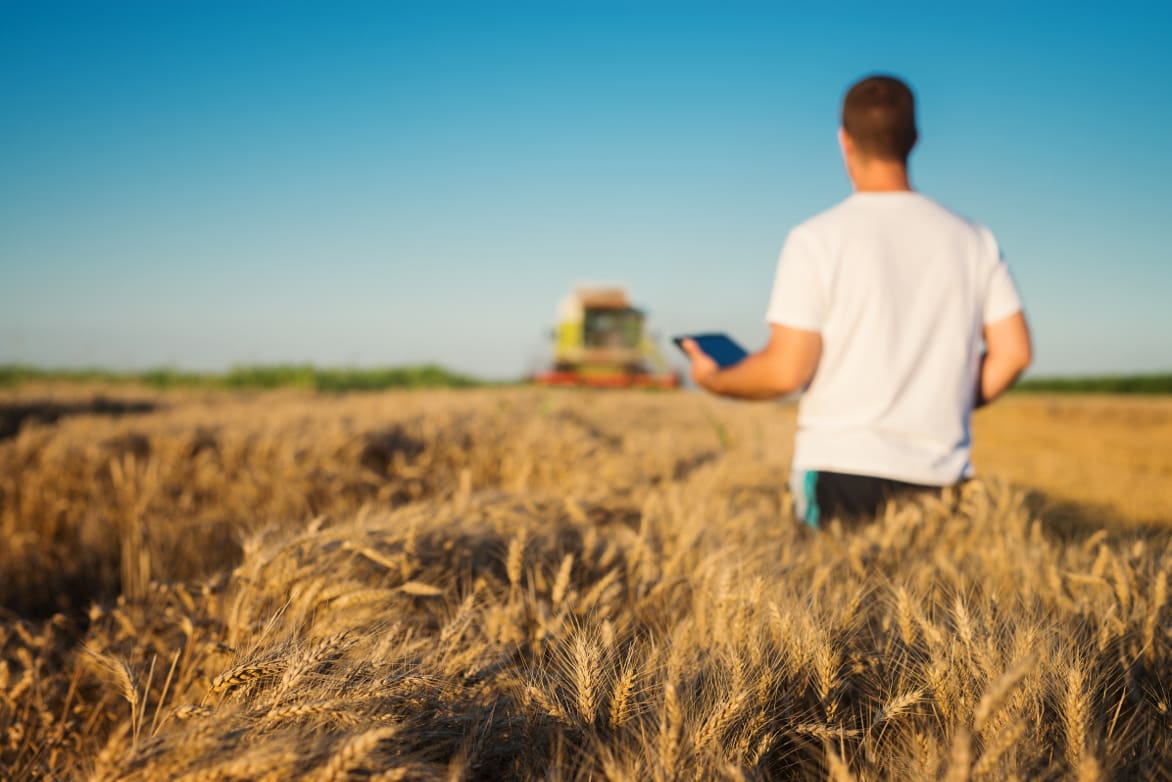
Smart Farming represents the application of modern Information and Communication Technologies (ICT) into agriculture. Smart Farming can provide benefits in terms of environmental solutions (resource efficiency, precise optimisation of inputs), and provide added value for farmers in the form of better decision making or more efficient operations and management.
The Smart AKIS project was a Thematic Network, a particular format of multi-actor projects promoted by EIP-AGRI and funded by EU’s Horizon 2020 programme. Smart-AKIS collected existing knowledge related to Smart Farming Technologies (SFT) to produce easily accessible end-user material under the EIP-AGRI common format.
The goal of the Smart-AKIS project was to create a self-sustainable European Network mainstreaming SFT among the EU farming community to help bridge the gap between practitioners and research on the identification and delivery of Smart Farming solutions which meet the needs and interests of farmers and end users.
The network approach took place with 13 partners and 7 Innovation Hubs across Europe (France, Germany, Greece, The Netherlands, Serbia, Spain, UK). The project focused on three interconnected technology fields: Management Information Systems; Precision Agriculture (including Decision Support Systems); and Agricultural automation and robotics.
The activities of Smart-AKIS included assessing end-user SFT needs and interests, identifying factors influencing adoption of SFTs, generating multi-actor, innovation based SFT collaborations among different stakeholders, creating an inventory of directly applicable technological solutions, and disseminating the results of the project to increase visibility of SFT in the EU.
The Smart-AKIS project assessed end-user needs and interests for Smart Farming Technologies (SFT) through the creation of a survey to identify factors influencing adoption of Smart-AKIS and to better understand farmers’ technological needs, interests and perceptions regarding SFT throughout the EU. In total, 287 farmers using four cropping systems (arable crops, open field vegetables, orchards, and vineyards) and varying farm size participated in the survey from 7 different European countries (France, Germany, Greece, Serbia, Spain, the Netherlands and the UK).
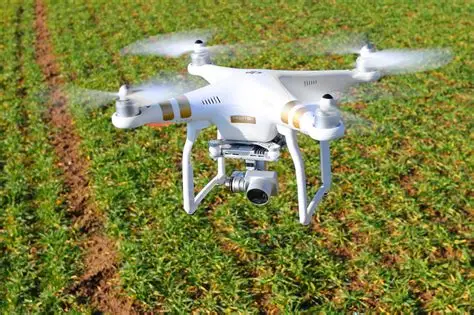
Results of the survey showed that farmers observe and are curious about new technologies, particularly the potential of SFT to help farmers overcome challenges in relation to reducing crop disease, improving soil health, reducing the use of pesticides, and enhance weed control. While farmers’ perception of challenges in agriculture was shaped largely by country-specific contexts, there was an overarching tendency amongst farmers to be uncertain about the ability of SFT to help overcome those challenges, with survey results indicating that they need more access to information about SFT, that existing SFT is too costly and not compatible enough with other machinery, and existing advisory services for farmers on SFT are insufficient.
One of the findings from Smart-AKIS was that the most consistent and valued source of information to support farmers in fostering the adoption of SFT was farmer-to-farmer networks of information exchange, including demonstration activities at the farm level. Demonstrations of SFT are deemed a key factor for their adoption through demonstration farms, peer groups or farmers groups and are efficient approaches for users to see upstream and downstream implications, costs, and usability of Smart Farming technologies.
SFT demonstration farms are a crucial ingredient of agricultural knowledge exchange for innovation in the horticulture sector as they can help to show farmers how certain technology or machinery works, with the benefit of having the opportunity for open-field experiments and first-hand testing the SFT directly in the field.
Demonstration farms can also be places for knowledge exchange and farmer-to-farmer information sharing to enable farmers to get acquainted with the latest technological achievements, and gain insight into their potential. The Smart-AKIS Policy Recommendations which centered on Smart Farming Support Strategies suggested the benefits of pairing demonstration farms with education, training and advisory services for enhanced innovation and knowledge exchange.
From CAP Network Ireland’s own AKIS survey, which investigated farmers’ access to and preferences around new knowledge and innovation, it was found that the majority of Irish farmers preferred in-person demonstration when learning about a new innovation. This reflects the findings of the Smart-AKIS project in the Irish agricultural sector.
The establishment of accessible demonstration farms which are focused on SFT in the horticultural sector could support acceleration of digital innovations, testing the economic, technical, and environmental gains resulting from use of different SFT.