Sustaining a Farm Through Collaboration with Others
Name:
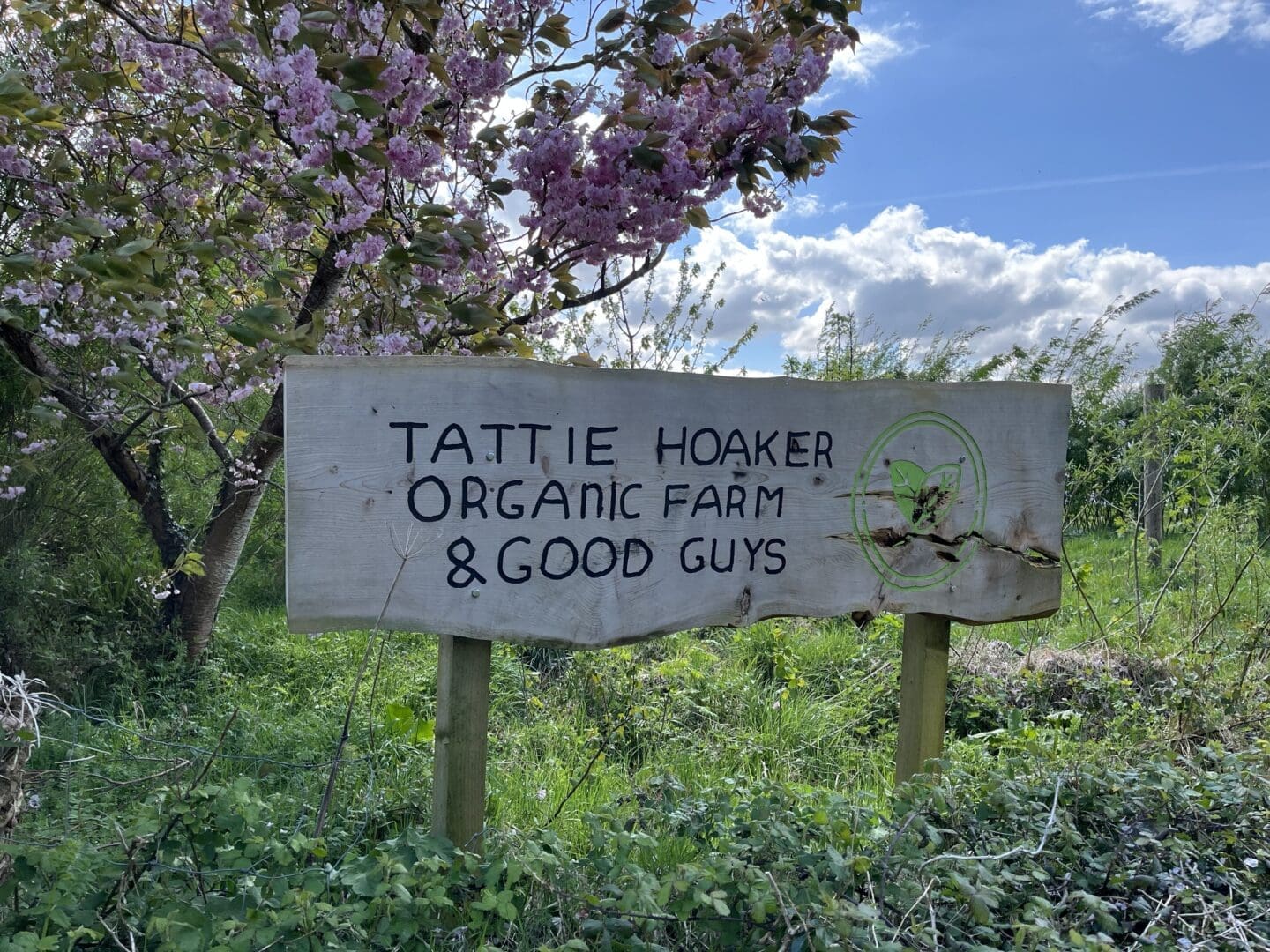
Aidan Gillan (Tattie Hoaker Farm)
Location:
Cliffoney, Co. Sligo
Farm Type:
Organic Horticulture
Participating Schemes:
Basic Income Support Scheme (BISS), Eco-scheme, TAMS 3, Organic Farming Scheme (OFS), and the Knowledge Transfer Programme (KTP)
Farm Size:
2.2 hectares (5 acres)
1. Overview of Aidan Gillen
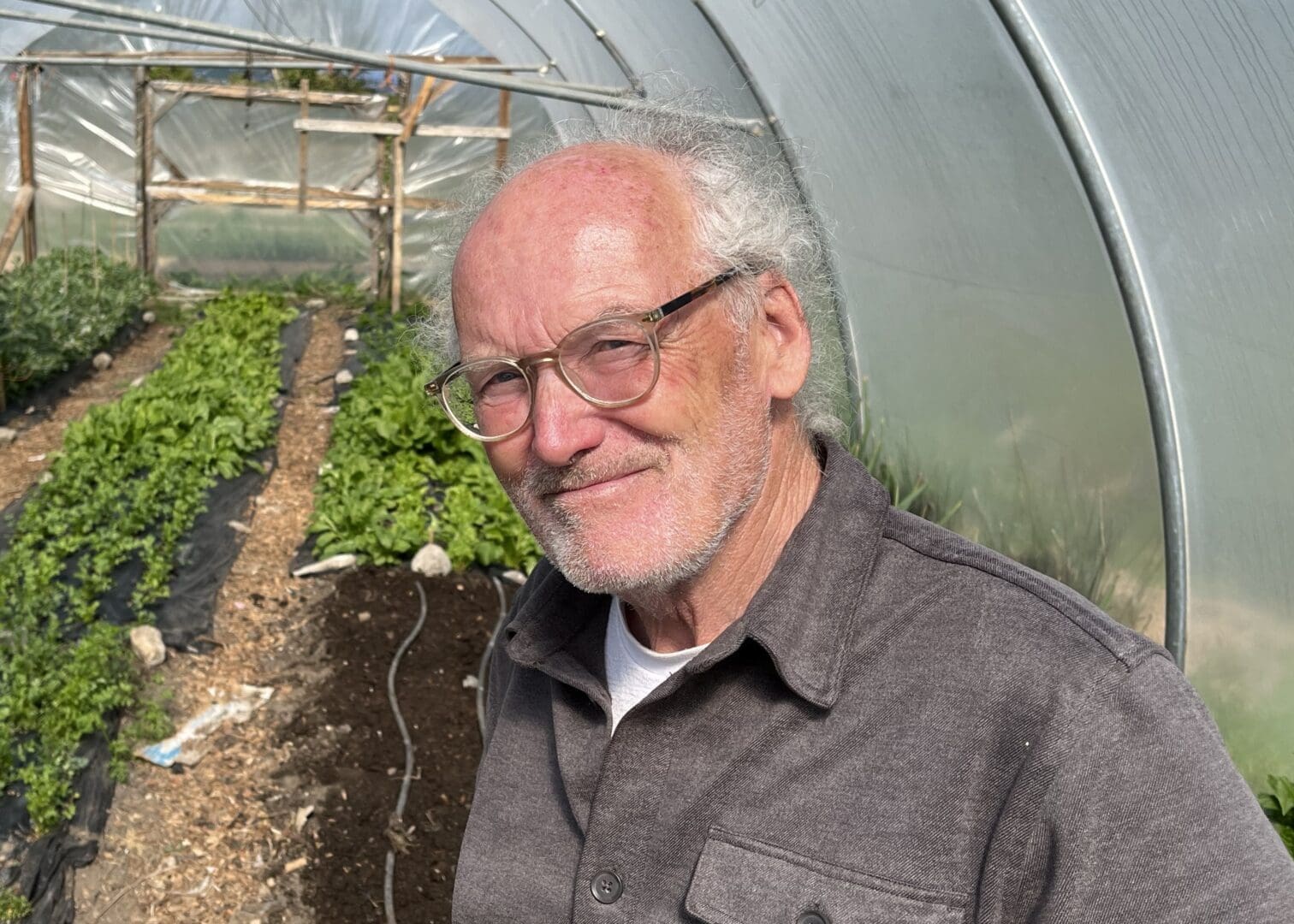
Aidan Gillan is a small organic horticulture grower in north Co. Sligo who is currently participating in the Organic Farming Scheme. He is a long-time social farmer with Social Farming Ireland and actively encourages the general public to visit his farm. Aidan applied to TAMS 3 for investment support in the aftermath of Storm Éowyn and is actively involved in a local discussion group through the Knowledge Transfer Programme (KTP).
2. Introduction
Aidan was born on a farm near Lissadell in Co. Sligo but later travelled the world for many years working in International Development in Africa and Asia, before buying Tattie Hoaker Farm in 1996.“I was managing projects. It was very interesting, and I loved it. I did a lot of training and educational work,” he says. “I like community development, and I have done some of that as contract work in Ireland as well.” Aidan was one of the early adopters in the Irish organic agriculture sector. “It felt like the right thing to do. I was always interested in growing vegetables. Even in primary school, I used to sell vegetables in Sligo Town. I used to go in on the bus and sell to the likes of Quinnsworth. Can you imagine?” he asks, laughing at the memory, “Going in on the bus smelling of leeks!”
"I also make my own compost. I do layers with a mix of vegetation, cardboard, cow manure and seaweed when I can get it. Good compost and good soil are the most important things on an organic farm."
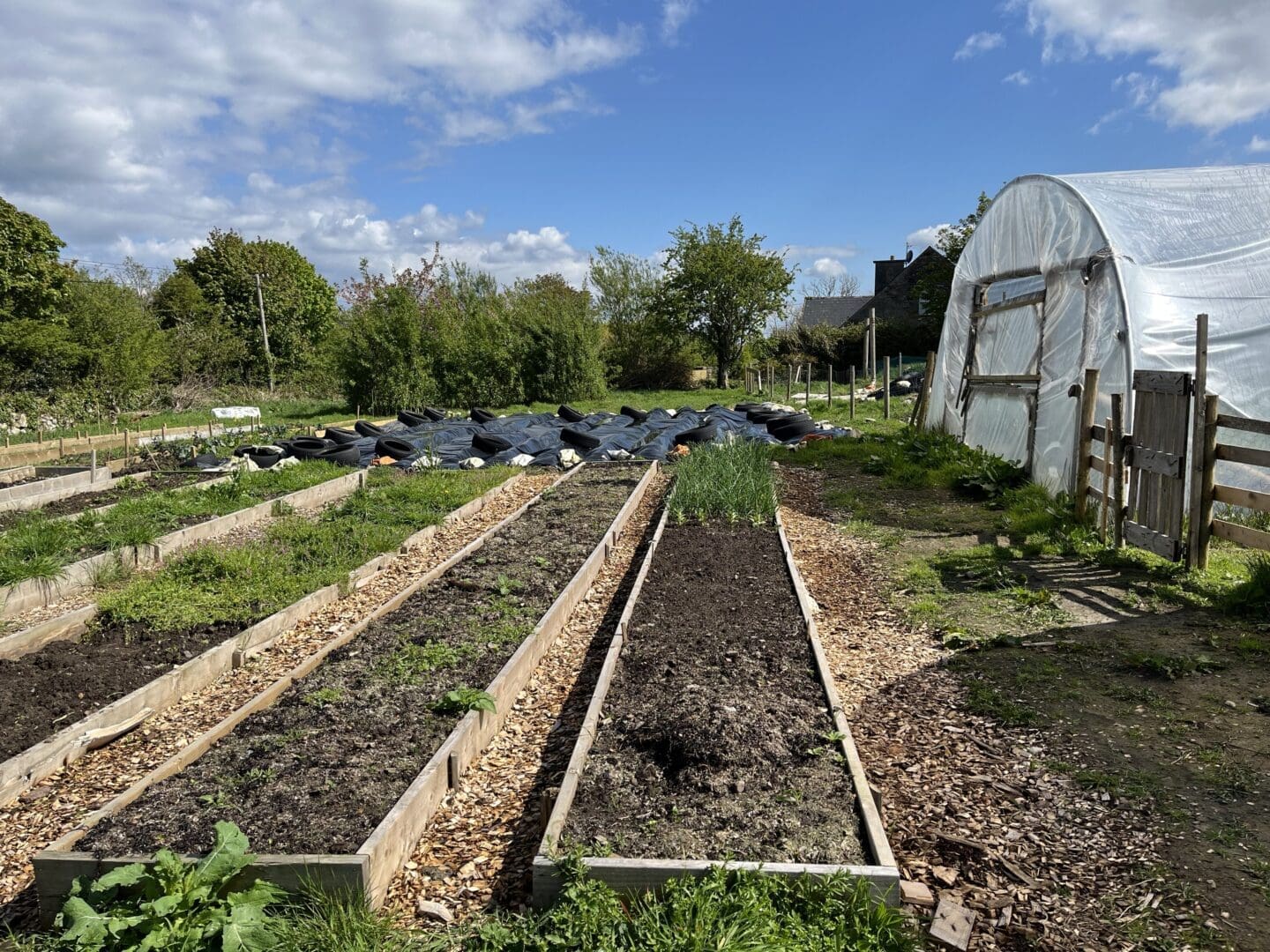
His passion for organic farming is obvious to any visitor to his farm. “I’m fascinated with how plants grow. Often you don’t have to do very much. You just have to understand the plant and see what it wants.” Aidan is dedicated to growing vegetables naturally and he uses sustainable methods such as planting Calendula plants (e.g. Marigold) next to his vegetable beds to protect his top-quality produce. “They keep pests like white fly and green fly away from attacking tomatoes. The Calendulas are a succulent for certain aphids. As we don’t use chemicals in organic farming, I find that it really works, and they’re gorgeous looking as well. I also make my own compost. I do layers with a mix of vegetation, cardboard, cow manure and seaweed when I can get it. Good compost and good soil are the most important things on an organic farm.”
3. Selling to Local Markets
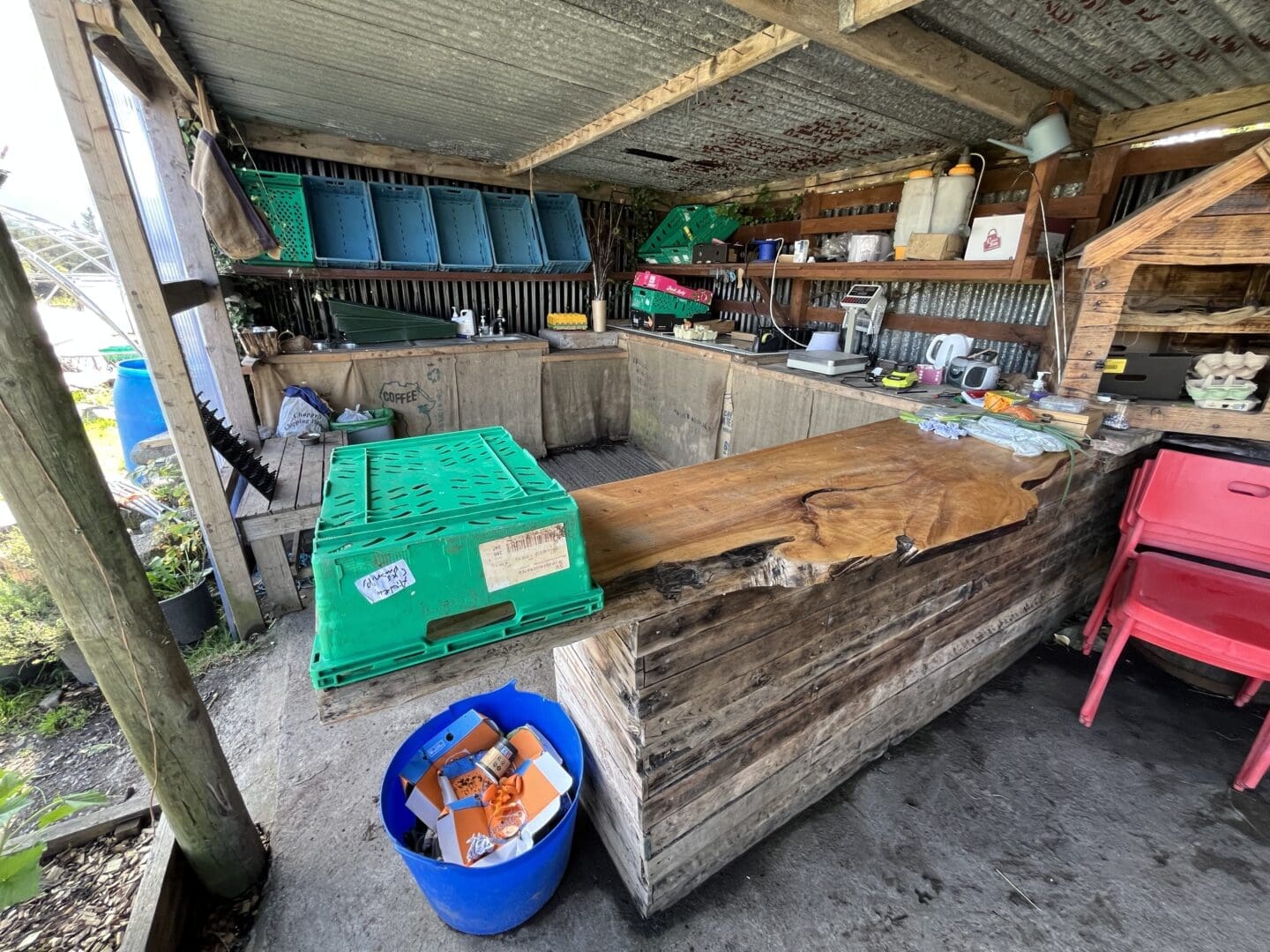
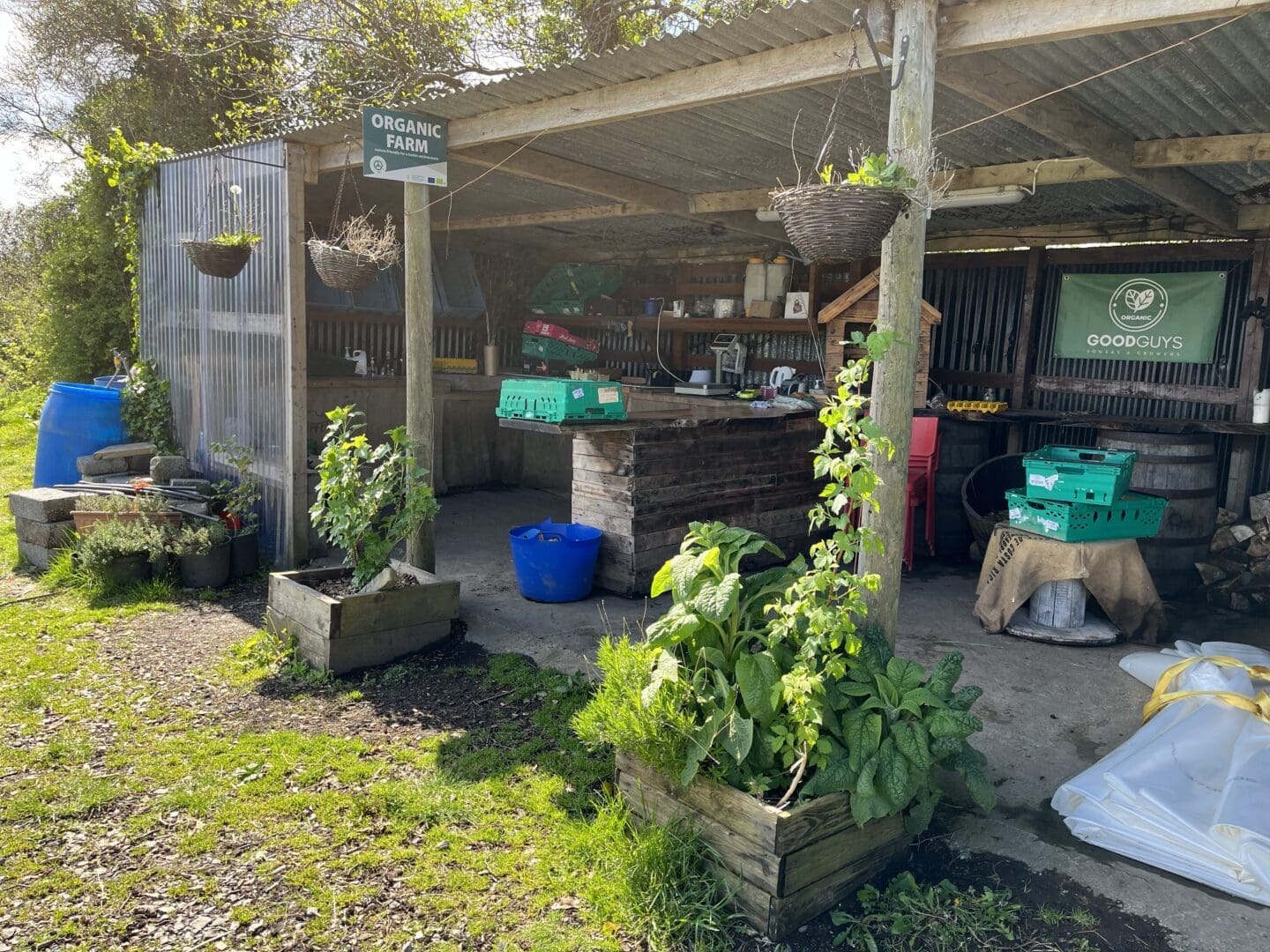
Aidan sells some of his produce through Cliffoney Country Market in Co. Sligo and his own farm shop, but his main market is Rossnowlagh Farmers Market in Co. Donegal. “A great market,” he says, “it’s usually a sell-out. It’s organised by three inspiring women, and I usually don’t have enough. I also buy from two other local organic growers and sell for them as well. We have a very good collaboration which is huge for me because years ago you wouldn’t do that, and you were always independent. Now I think we need to open out and work together a lot more if we want to be effective and provide what people are looking for and it’s working. In Rossnowlagh I get great feedback from people.”
4. Social Farming
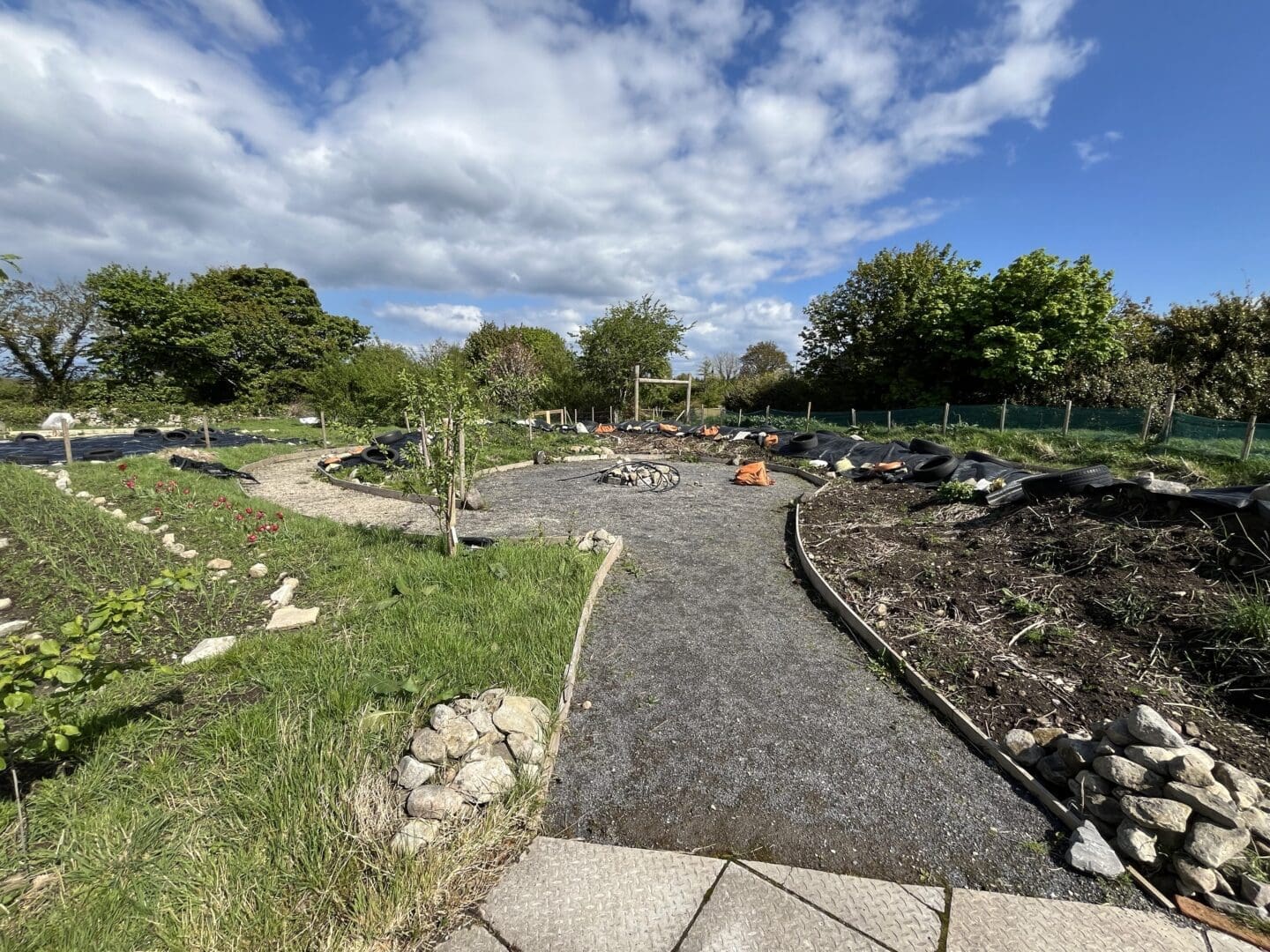
Aidan is committed to developing relationships with all members of his local community. Tattie Hoaker Farm is a Social Farm and Aidan is currently developing this side of the business further. “I’m going to invest in a beautiful sensory garden with features, possibly water features, to encourage people to visit the farm who otherwise might not be able. I’m hoping long term to get facilities for wheelchair users’ onsite.”
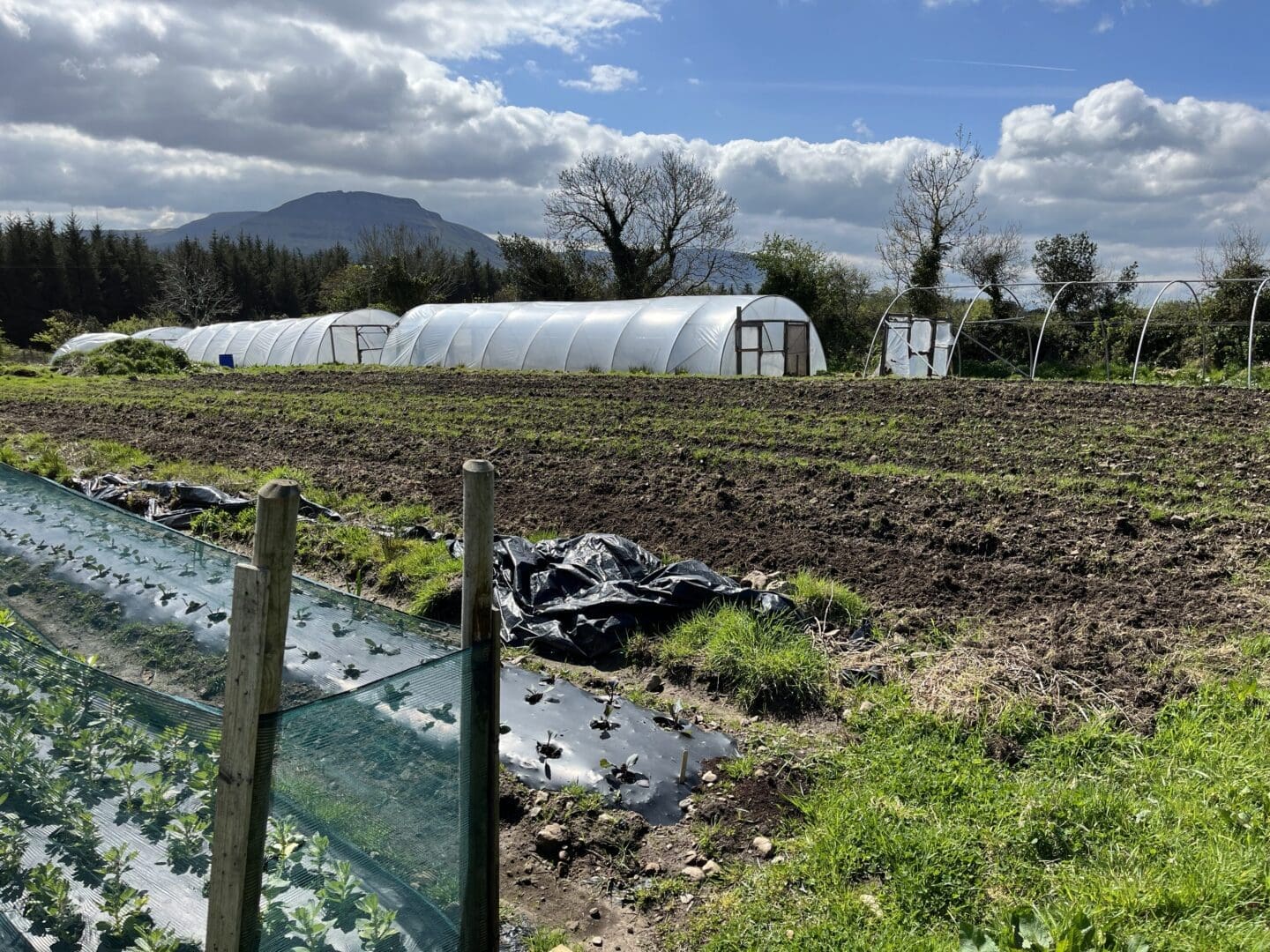
This will complement the welcoming social area that currently exists in one of the main polytunnels. “It was built by volunteers who wanted people they knew to be able to make use of it. It’s in a lovely setting,” says Aidan as he points to the view of Mullaghmore Harbour and the distant Donegal Mountains. “This is one of the reasons why the farm is such a popular place for social farming.”
5. The Importance of Community
“I sort of semi-retired a few years ago but it didn’t suit me so I started looking around to see what I could do. I was always interested in allotments and how to facilitate local people to learn how to grow because I would get great pleasure from it.” Aidan currently has approximately 10 allotments ready and available for potential customers to use, while a similar number are already allocated to local growers and are being actively farmed.
“They pay me for the year, and they have access to everything here.” Just as importantly, they also have access to Aidan’s knowledge and experience as they learn to grow their own food. “I like doing it. Oftentimes things like this don’t happen (growing food) because either people don’t know how or misunderstand something. It can be a simple thing to correct, and this is the advantage of doing it in a community setting.”
6. Finding Supports Under The CAP Strategic Plan 2023-2027
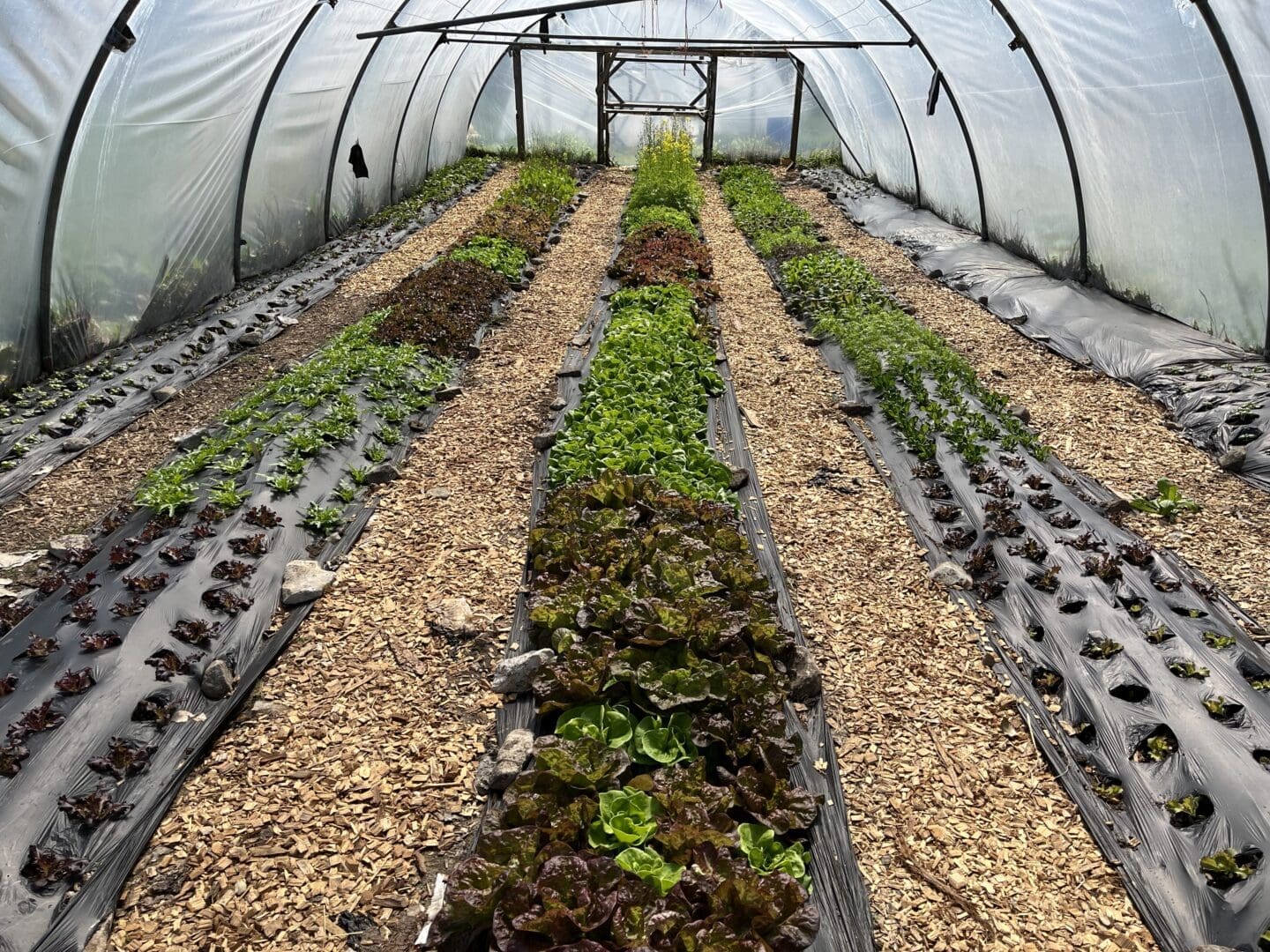
Aidan credits being a member of Leitrim Organic Farmers Co-op for helping him access supports, such as the Organic Farming Scheme. “It has made a huge difference for me. It has made me aware that there is assistance available for different purposes on the farm, whether it is for environmental measures or horticulture growing, such as polytunnels, sheds or tools.” His participation in their discussion group under the Knowledge Transfer Programme (KTP) has also broadened his horizons. “That has made a big difference as well because we have evening meetings talking about what we can gain from applying to these schemes.”
Membership of Leitrim Organic Farmers Co-op has been worth every penny for Aidan. “You’re only paying a small amount of money every year. They source it (financial supports) for you. They check with you if you want it. They do the heavy work of applying and all I have to do is keep saying yes,” he laughs. He recently applied to TAMS 3 for investment support to purchase a two-wheel tractor to lighten the burden of physical labour on the farm.
"It has made a huge difference for me. It has made me aware that there is assistance available for different purposes on the farm, whether it is for environmental measures or horticulture growing, such as polytunnels, sheds or tools."
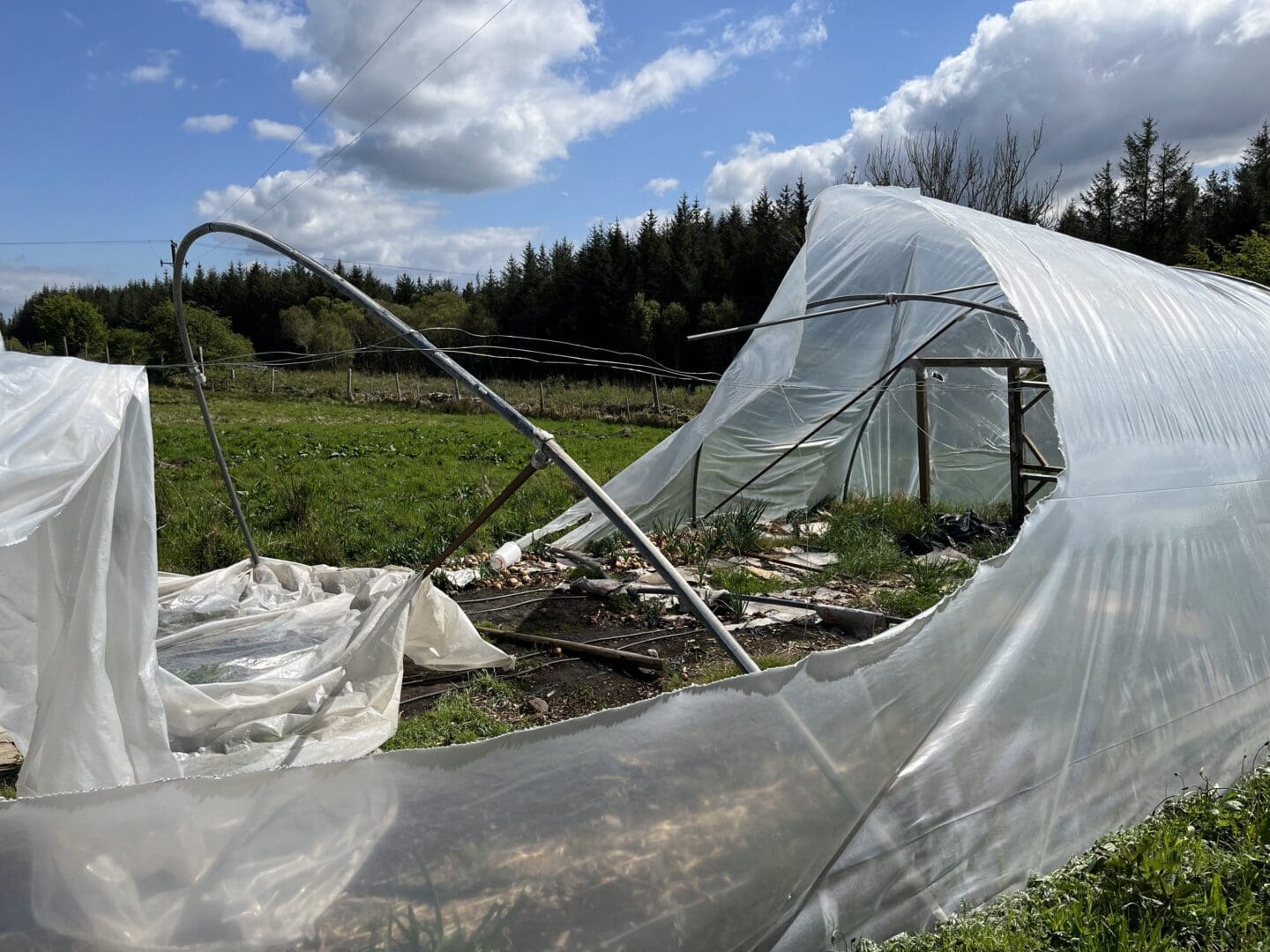
The value of being part of a knowledge transfer network has again proven its worth in the aftermath of Storm Éowyn. Despite welcome help from his neighbours, one of his main polytunnels was unfortunately beyond repair. Aidan has since applied to TAMS 3 for investment support to replace it. For a small farm business, this could have been a significant blow. “I’m quite happy to have help that makes a difference,” he says, grateful that he does not have to deal with this financial setback to his farm on his own.
7. Conclusion
Although many perceive farming as a solitary occupation, Aidan Gillan has cultivated a broad web of social connections within his local community. This has become a powerful resource for both his farm business and for himself. Whether it is the offer of help from a neighbour in a time of need, collaborating with other organic producers, or building relationships with customers and visitors who trust and enjoy the quality of his produce and services, these interactions help to sustain both Tattie Hoaker Farm financially, and Aidan personally.
His willingness to be a member of a co-operative and discussion group has exposed him to financial and administrative resources which he was previously unaware of. He and his farm business are now in an excellent position to avail of the full range of supports available to Irish farmers under the CAP Strategic Plan 2023-2027. Thanks to this, Tattie Hoaker Farm is investing in a financially, environmentally, and socially sustainable future which will allow Aiden to continue doing what he loves best; growing high-quality food for his local community.
8. Image Gallery