The International Year of the Woman Farmer (IYWF) 2026, launched by the Food and Agriculture Organisation of the United Nations (FAO), is a global initiative to recognise women's vital, yet often overlooked, role in agrifood systems. By marking this year, the FAO strives to accelerate gender equality, empower rural women, and tackle food security challenges by providing women with the tools and resources required to close the persistent gender gaps in agriculture.
IYWF 2026 aims to raise awareness of the role of women in agrifood systems and the challenges they face, including land tenure, financial and technical constraints, and limited access to services and education. It also seeks to encourage policies and investments that empower women in agrifood systems and to promote greater synergies among international initiatives supporting women farmers. The FAO, together with the International Fund for Agricultural Development (IFAD) and the World Food Programme (WFP) will coordinate activities throughout 2026.
According to the Department of Agriculture, Food and the Marine (DAFM), Ireland's co-sponsorship of the International Year of the Woman Farmer 2026 "reflects our national commitment to advancing gender equality across the agri-food sector". "Throughout 2026, DAFM will amplify the contribution of its female farmers and agri-entrepreneurs to a productive, sustainable, and viable Irish agri-food sector through targeted policy and recognition initiatives."
Aligning the IYWF 2026 with the National Women in Agriculture Action Plan DAFM aims is launching a photo competition, in association with CAP Network Ireland, to address the lack of appropriate female focussed imagery on communications to farmers and about farming and the wider agri-food sector in Ireland. Enter our photo competition here.
In Ireland, the CSO’s Farm Structure Survey 2023 showed women accounting for 13.2% of our 133,174 farm holders, and 34% of the 299,725 total farm workers. In 2020 Eurostat data indicated an EU average of 30% female farm holders, though this figure does not reflect national variations. Lithuania and Latvia have almost 50% of farms managed by women, while Denmark and the Netherlands, have much lower percentages.
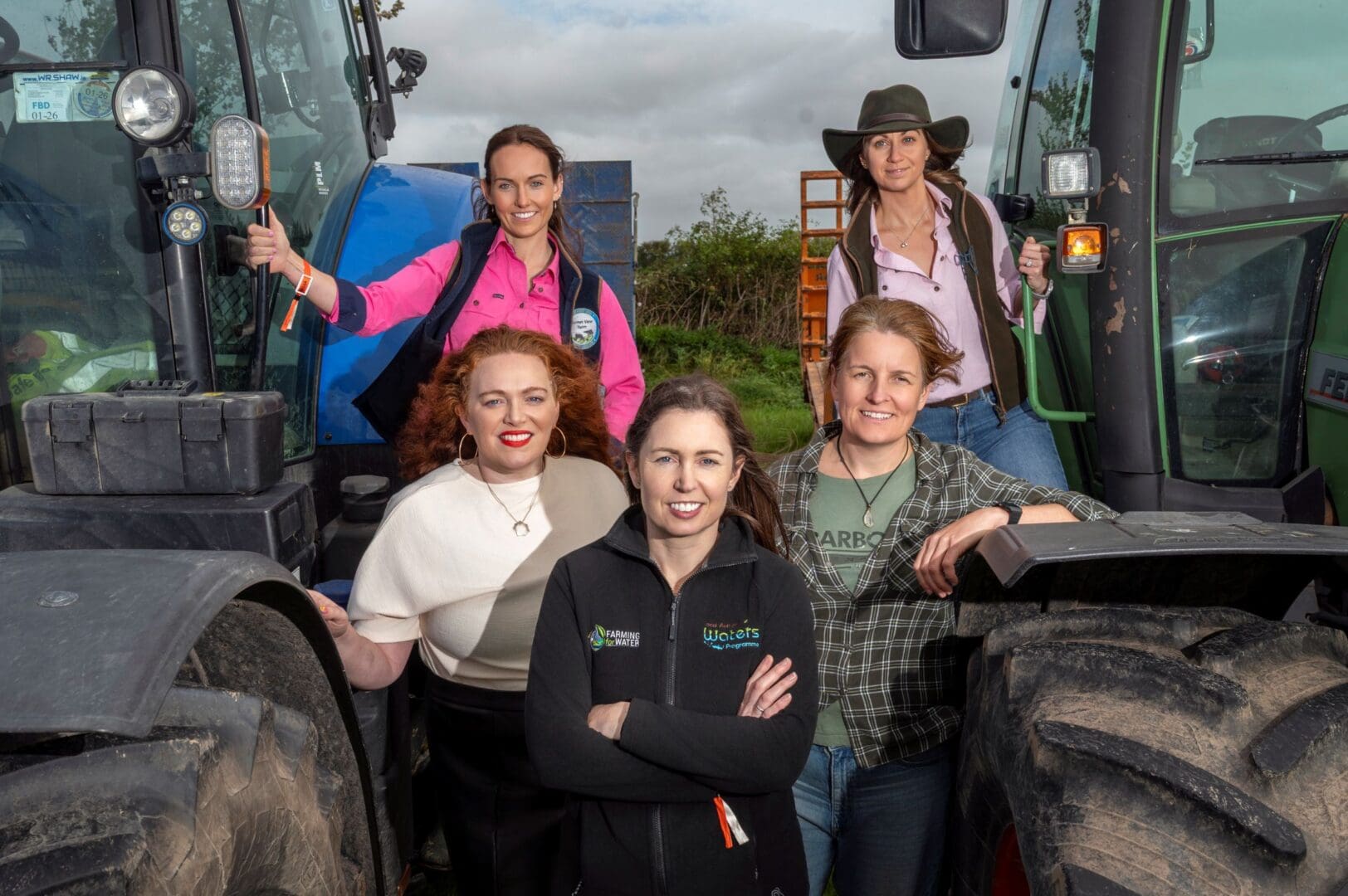
A National Dialogue on Women in Agriculture took place in 2023, exploring gender equality in farming and the wider agri-food sector and delivering on commitments in Irelands Food Vision 2030 agri-food strategy.
The outcomes and recommendations were compiled into a formal report and informed a 12-point action plan, which was launched in 2024.
"A Women in Agriculture Working Group was established to oversee its implementation, and good progress has been made with actions either complete or nearing completion," according to Minister Martin Heydon.
Most recently, the group delivered a winter webinar series aimed at increasing women farmer’s knowledge and awareness of topics, including DAFM schemes, access to finance, agri-taxation, and succession planning and social protection.
A final implementation report is expected to be presented to the Minister in the coming weeks.
To learn more about the FAO International Year of the Woman Farmer, click here.
To learn more about Irelands ongoing work promoting the participation of women in agriculture in Ireland and IYWF events , click here.
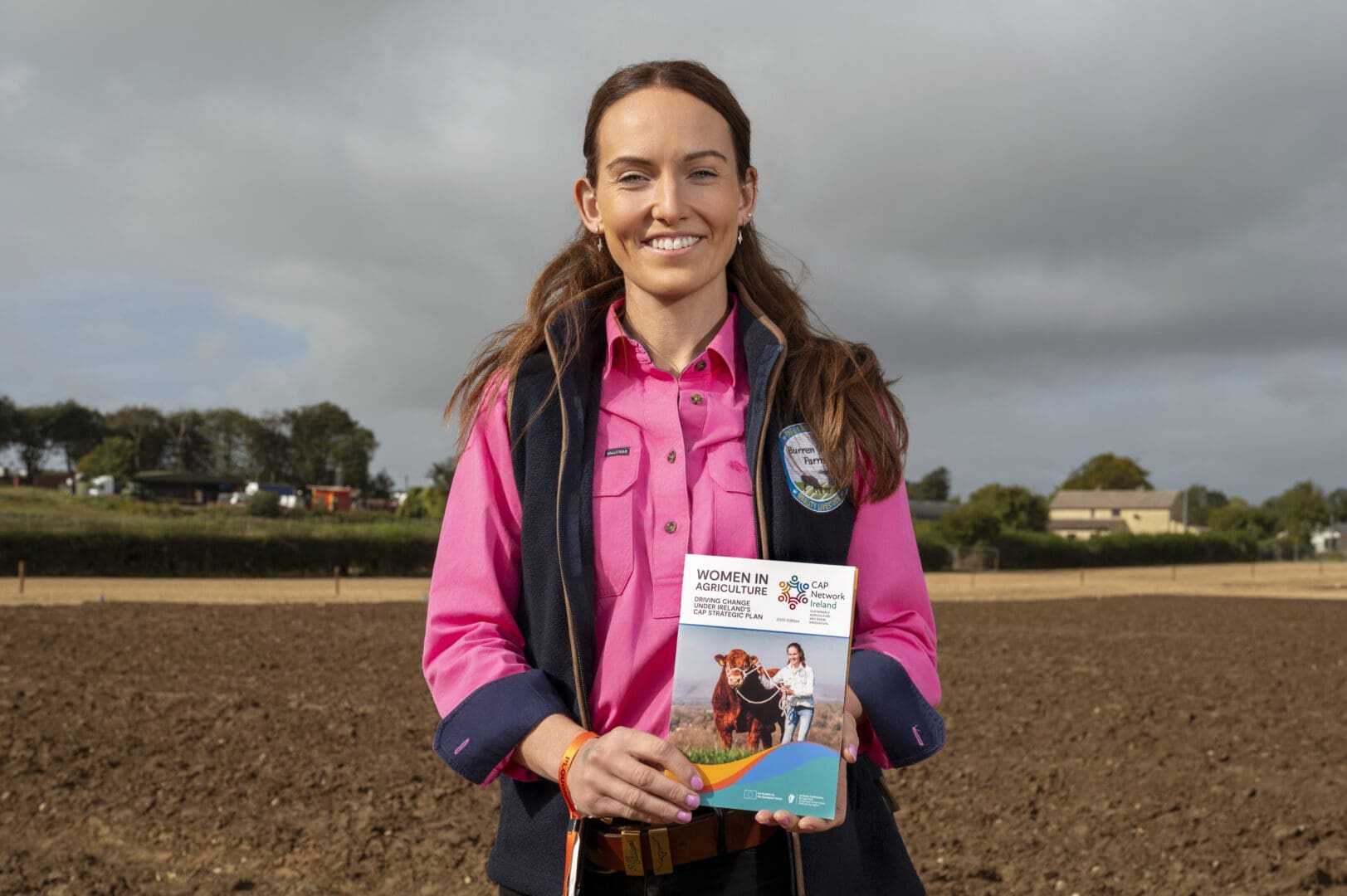
Check out our Women in Agriculture: Driving Change Under Ireland’s CAP Strategic Plan booklet here.