An estimated one in four Irish farmers are facing burnout; a state of physical, emotional and mental exhaustion caused by long-term involvement in emotionally demanding situations. The escalating pressures on farmers are contributing to the accumulation of mental health risks. It is important for farmers to learn how to identify the signs of mental health deterioration in themselves and others and know what must be done to find help.
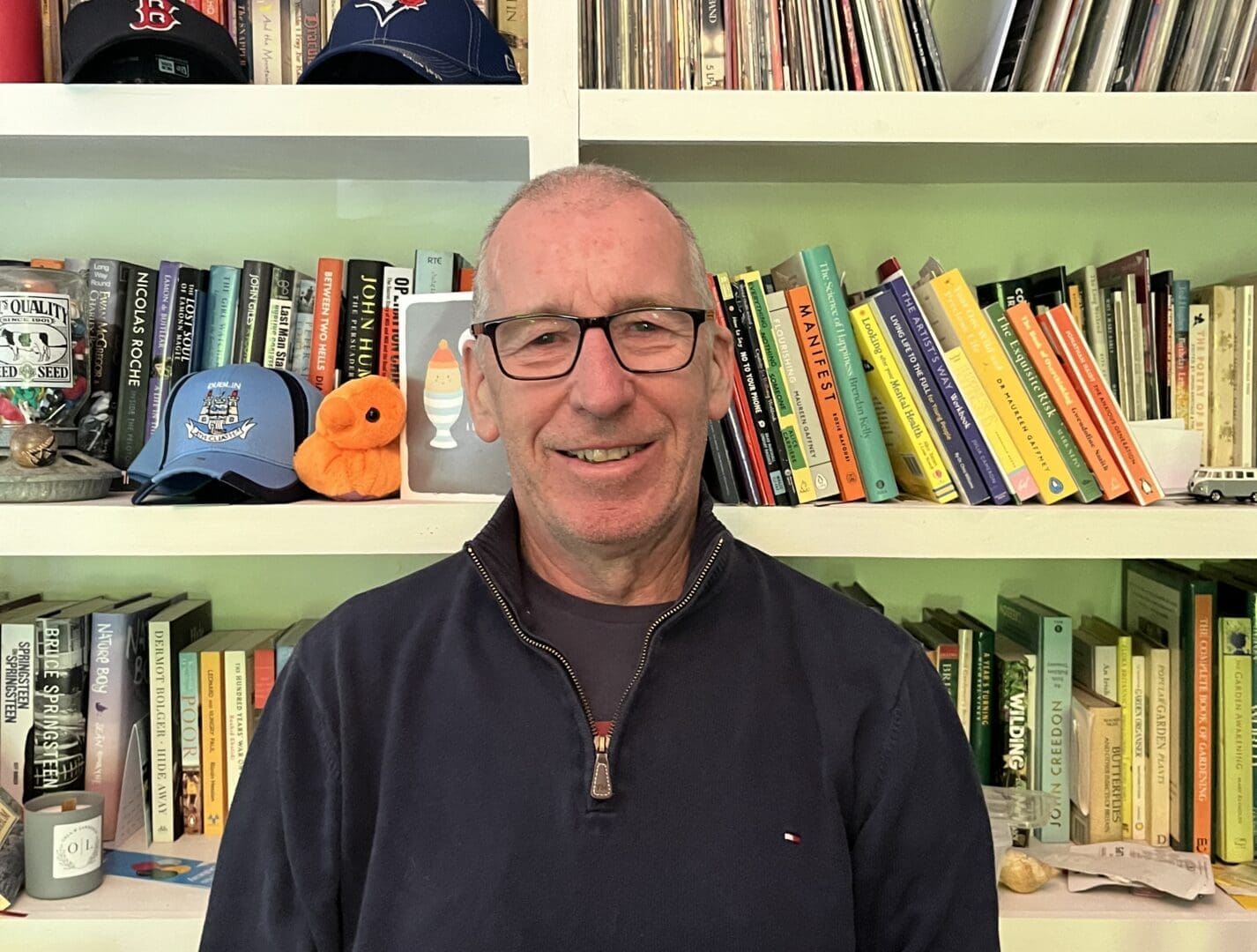
As a retired Mental Health Nurse, Niall Ó Muiri has a vast wealth of professional experience dealing with the challenges of mental health. Niall currently works as an Education Officer with the Wexford Mental Health Association. He is always available to give talks to voluntary and community groups on request and comes highly recommended. For further information, contact Niall at wexfordmha@mentalhealthireland.ie.
Life is hard. Isn’t it?
We get up every day and do our best to look after ourselves and others in our lives. We try to get a work life balance. We might even go as far as trying the ‘5 Ways to Wellbeing’, as advocated by Mental Health Ireland. This informative booklet offers practical advice on how to take effective, evidence-based actions, to increase your sense of wellness.
People talk about the importance of connecting with yourself and others, staying active and getting out walking in fresh air, clocking up 10,000 steps on your Garmin watch.
People talk about taking notice of your feelings and being kind to yourself, the importance of ongoing learning, trying new things and giving yourself “me time”.
But despite all that, in a busy world, trying to create that work life balance can be difficult. Trying to manage the everyday stressors of life while at the same time trying to keep everyone in your life happy, means that sometimes, life can get the better of us and we trip and stumble, through no fault of our own.
The World Health Organisation say that 1 in 4 of us will at some stage in our lives suffer or struggle with our mental health. They go as far as stating that by 2030 depression will be the number one, mental health issue in the world.
So, what is depression and what should we look out for?
Depression is a mood disorder that causes persistent feelings of sadness and loss of interest.
So, what do you look out for in yourself or in those close to you?
A change in mood or personality, a loss of interest in things you once enjoyed, like coffee with a friend, walking the dog, losing yourself in a good book, or a Netflix drama that you will talk about the next day with people you meet or going up to the pitch on a Wednesday to watch the Junior B’s getting the daylights knocked out of them and talking about it in the pub after. All those things may now no longer hold your interest or joy for you.
Other signs include feeling tired all the time, irritable, finding it hard to fall asleep or waking very early and not being able to fall back asleep again, the mind racing focusing on negative thoughts, and most upsetting of all, feeling life is not worth living and feeling a sense of hopelessness.
If you notice any of these symptoms persisting over a number of weeks, you may well be suffering with depression.
It’s important to remember that depression is an illness like any other physical illness and is treatable. Early intervention is key to recovery.
It’s really important to talk to someone about it. It’s especially important that you talk to your GP. They will support you through it and treat the depression, or if required, refer you on for specific supports and therapy.
Don’t carry this sadness alone and in isolation. Tell someone about it. Tell a friend, a colleague, or a family member. Share what you are going through, ask for help, and make that call!
You’ve heard the saying “A problem shared is a problem halved”. There is a great sense of relief when you get to share what you are going through with someone else, someone you feel comfortable with.
You are not alone. These feelings will pass with support and help.
Like bad weather, the things that worry you now at this moment, the things that keep you awake at night, these feelings will not last.
The first step to recovery is talking about it to someone. So, make that call.
Available Supports
The HSE Your Mental Health information line is a phone service you can call any time: Freephone 1800 111 888. A team member can tell you about:
- the mental health supports and services available to you
- how to access different services provided by the HSE and services the HSE funds
The Your Mental Health information line is not a counselling service.
For urgent help: call 112 or 999 and ask for the ambulance service if you or someone you know needs emergency help.
Read the ‘Your Guide to Targeted Agricultural Modernisation Schemes (TAMS 3)’ booklet here to find out which safety measures are supported under TAMS 3.