Generational Renewal: A Young Female Farmer Future-Proofing Dairy and Poultry Farm
6. ACORNS
Name:
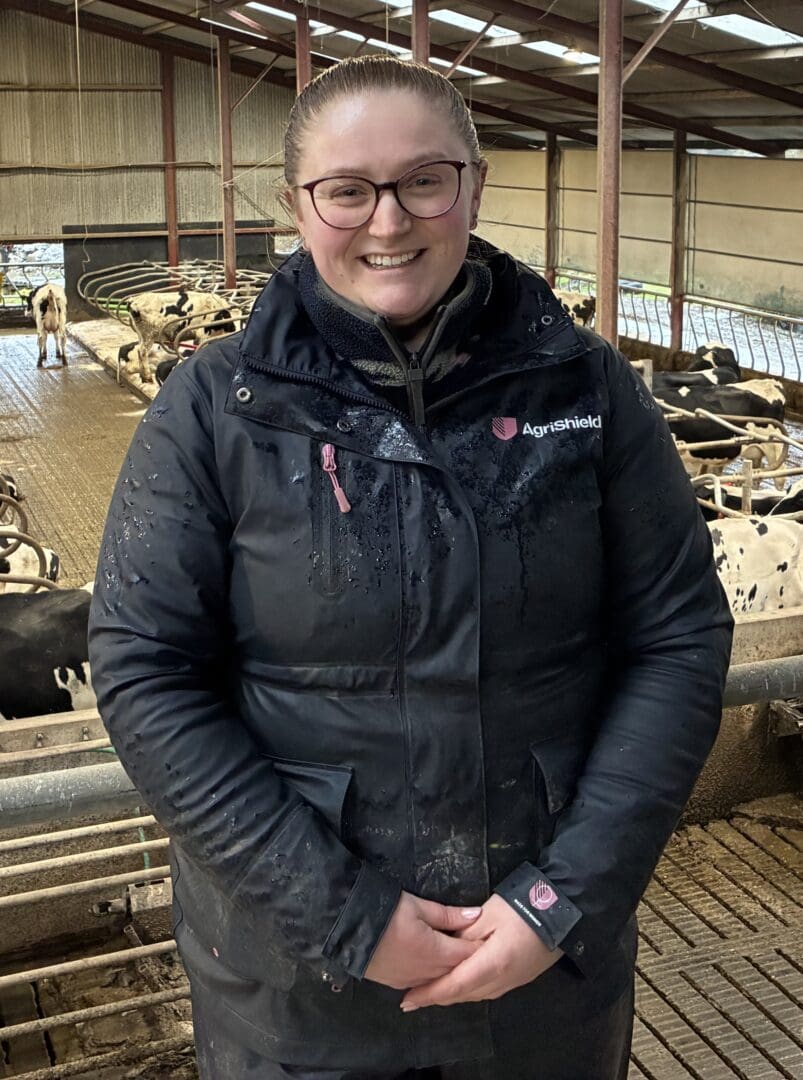
Rebecca O’Halleran
Location:
Kenagh, Co. Longford
Farm Type:
Dairy and Free-Range Egg Production
Participating Schemes:
Basic Income Support for Sustainability (BISS) Scheme, ACRES, CRISS, The Areas of Natural Constraints (ANC) & TAMS 3.
Farm Size:
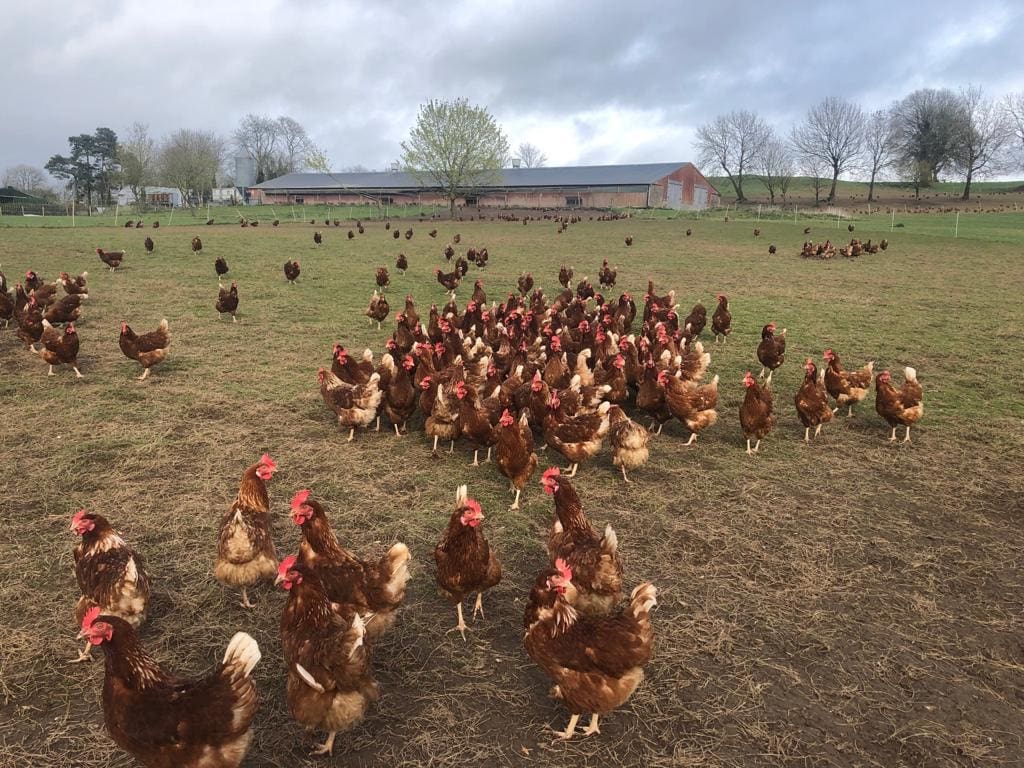
200 acres. Herd size of 80 Holstein dairy cows and 16,500 free-range laying hens
1. Overview
Rebecca O’Halleran is a young part-time farmer who, alongside her full-time professional role, works on her parents’ farm in Kenagh, Co. Longford. She represents a new and increasingly visible generation of women in agriculture. Raised on a traditional beef and sheep farm that also developed free-range egg production, she has witnessed the later transition of the livestock enterprise from beef and sheep into dairy. This transition was made possible through targeted supports such as TAMS funding, while the ongoing development of the farm is supported by a range of schemes under the CAP Strategic Plan 2023–2027, including BISS, CRISS, Eco-Schemes, ACRES, and ANC.
2. Background and Path into Farming
Rebecca had not originally intended to pursue a career in farming. However, at the age of 16, a farm accident involving her father saw her take on increased responsibility in the day-to-day running of the farm. The experience proved decisive, leading her to view farming as a serious career path. In addition, she completed a degree in Business Management, graduating in 2022, and then took up a full-time role with Bord Bia as a Farm Schemes Development Executive. Alongside her job, she remains actively involved in farm work before and after her working day.
A major step toward full-time farming came in October 2024, when she began her Green Certificate to build her agricultural knowledge and qualify for future supports and grants. Rebecca plans to enter into a formal partnership with her parents once she has completed her Green Certificate, formalising a structure that is already working well in practice. As she explains, “One of us is always here. If my parents have to be away, then I'm at home, and vice versa.” While her parents will remain actively involved over the coming years, the process is preparing her to eventually take over the farm with her boyfriend, who also contributes to the running of the farm alongside his full-time job.
3. Farm Transition Through TAMS and CAP Supports
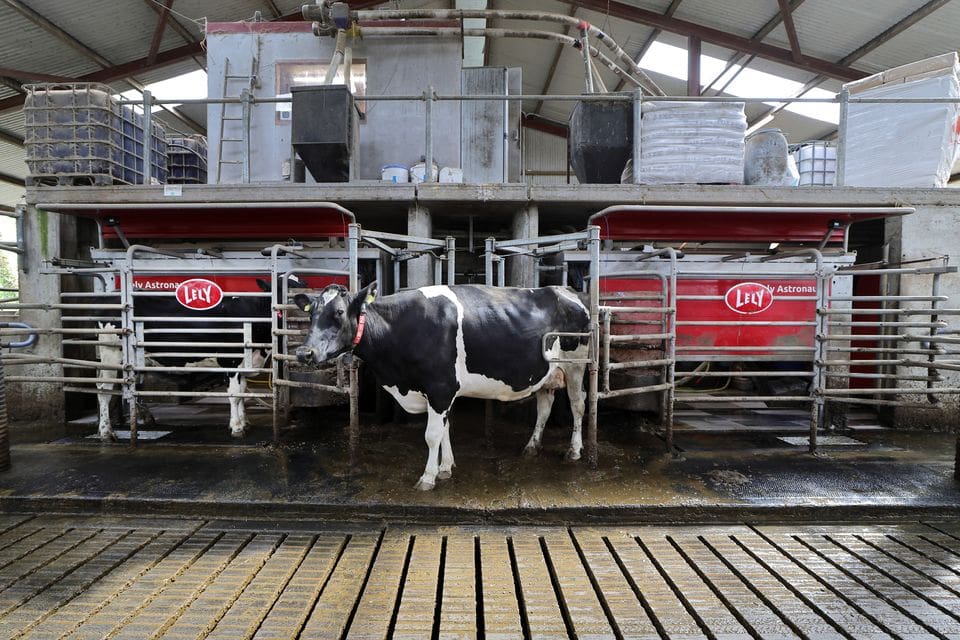
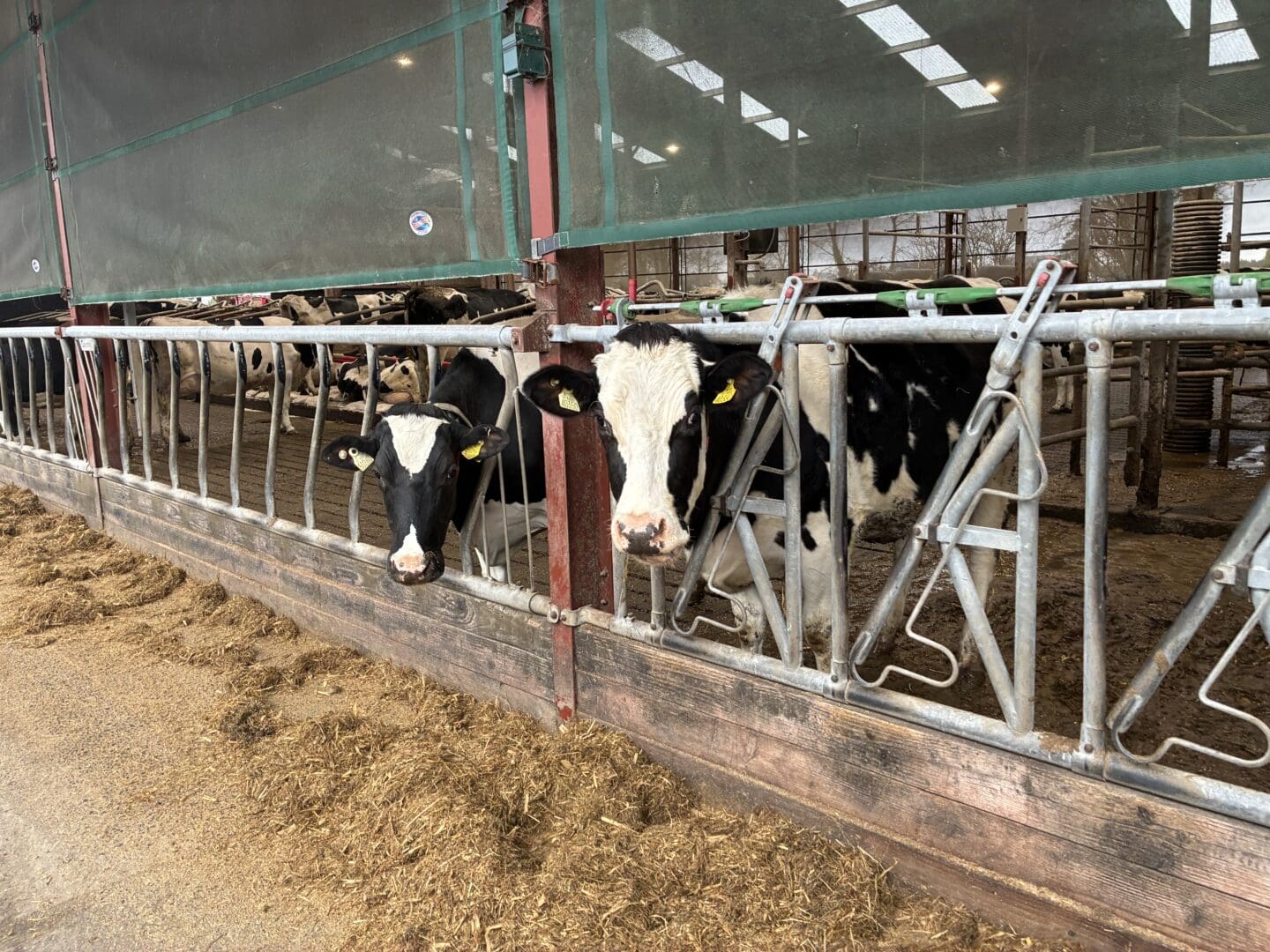
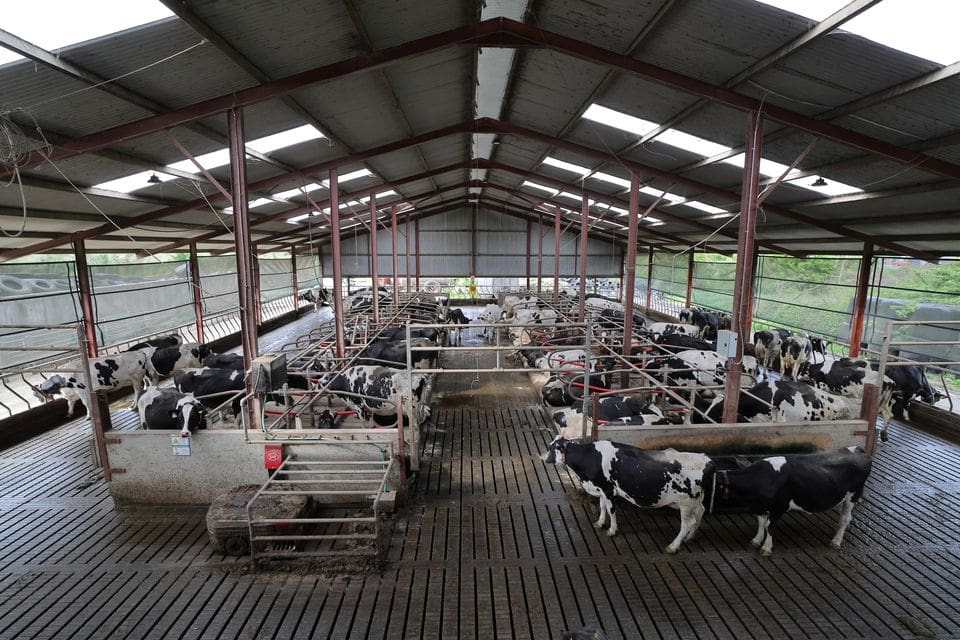
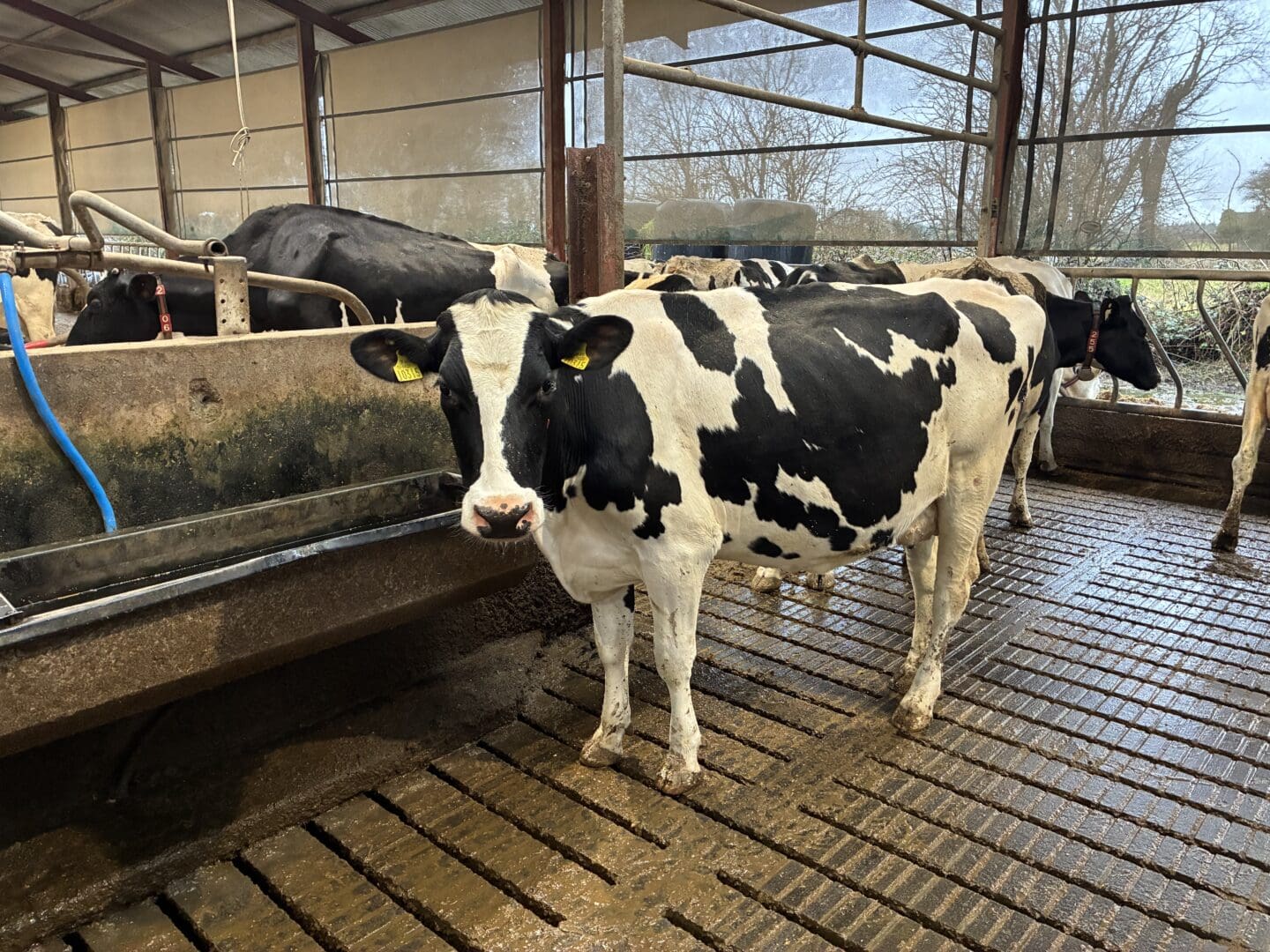
Until 2020, the livestock enterprise operated primarily as a traditional beef-and-sheep system alongside an established free-range egg business. In 2020, the family transitioned the beef-and-sheep enterprise into dairy production, supported by TAMS II funding. This change introduced a Dutch-style indoor dairy production system.
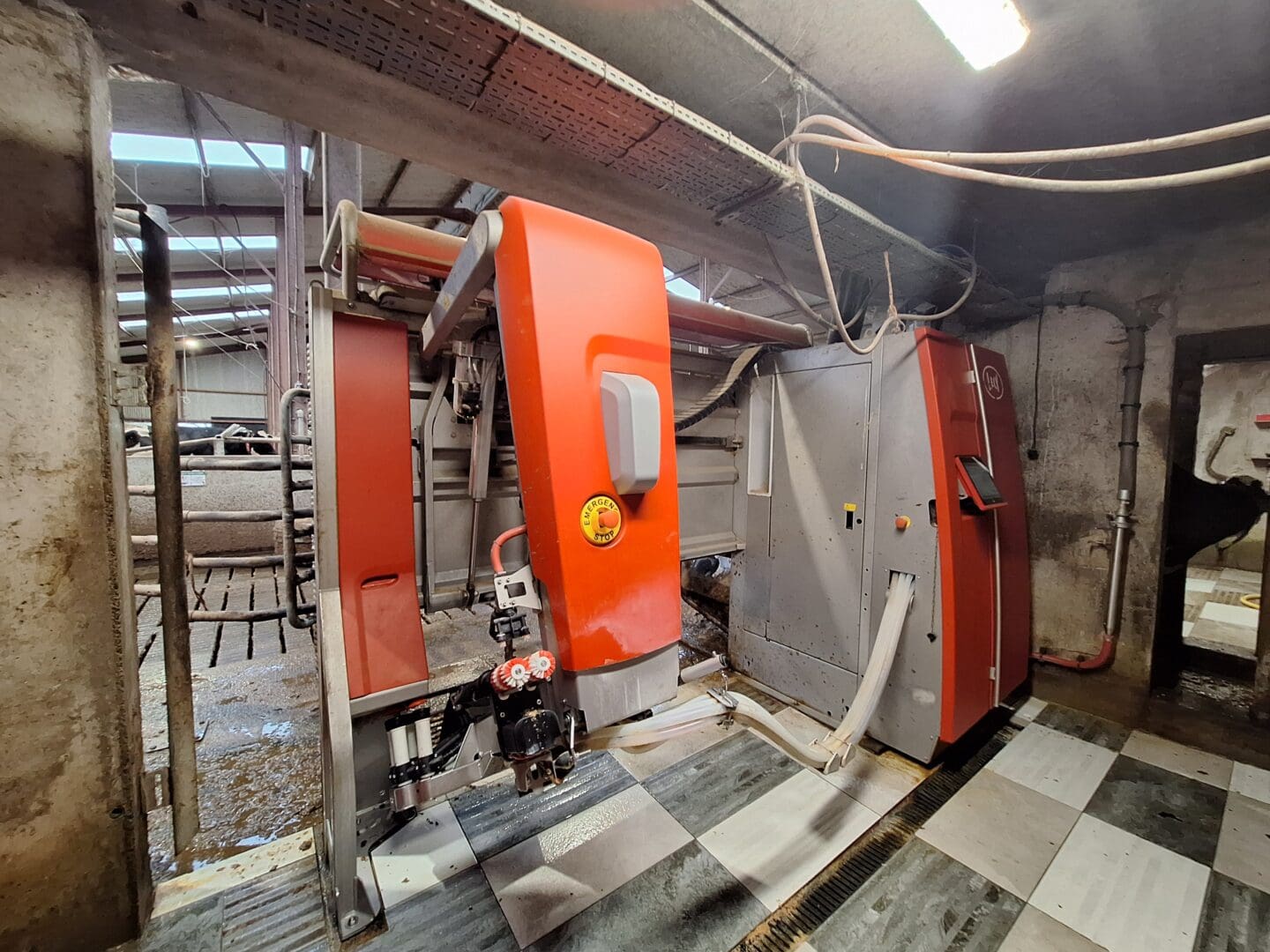
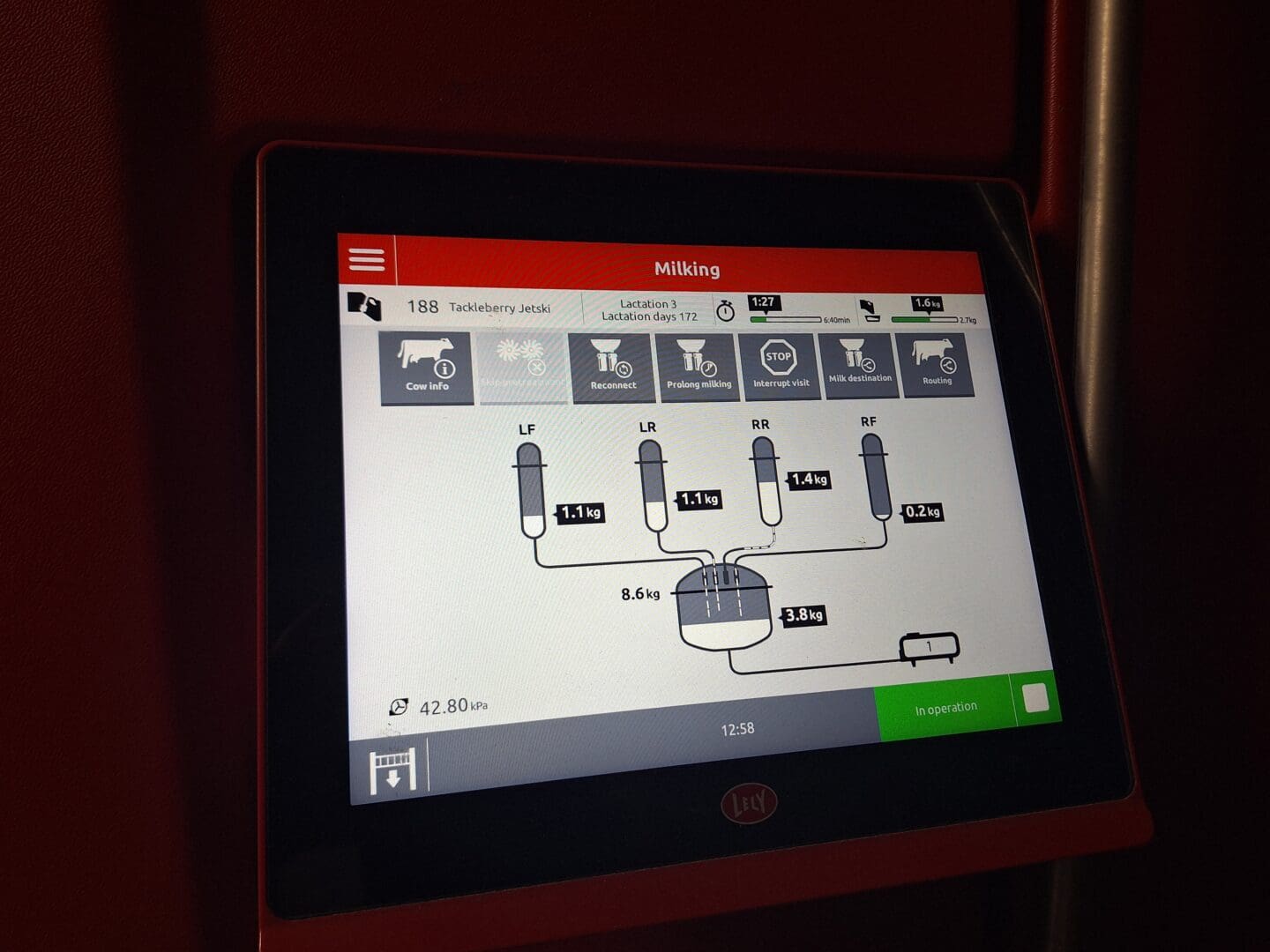
The investment enabled the start-up of around 30 cows and a Lely robotic milking unit, with the scheme partially covering the costs of both the shed and the technology. A second robot was later added, allowing the herd to grow to about 80 cows. The next target is to reach 100 cows once housing is extended, with a new TAMS 3 application already submitted to support this expansion.
As a key advantage of this investment, Rebecca notes that the robotic milking system delivers significant time savings and detailed monitoring for each cow. The technology delivers continuous health and performance data, helping guide day-to-day decisions and supporting what they see as a key priority: keeping cows healthy and productive for as long as possible.
Alongside capital investment supports, the farm also benefits from a range of CAP supports, including BISS, CRISS, ACRES, ANC and the Eco-Schemes. Measures such as low-input grassland, extensively grazed pasture and riparian buffer zones contribute to farm income while also supporting environmental actions. In addition, gaining access to the Young Farmer supports is one of her key objectives, and she expects to become eligible once she completes her Green Certificate.
4. Developing Short Supply Chains for Egg Production
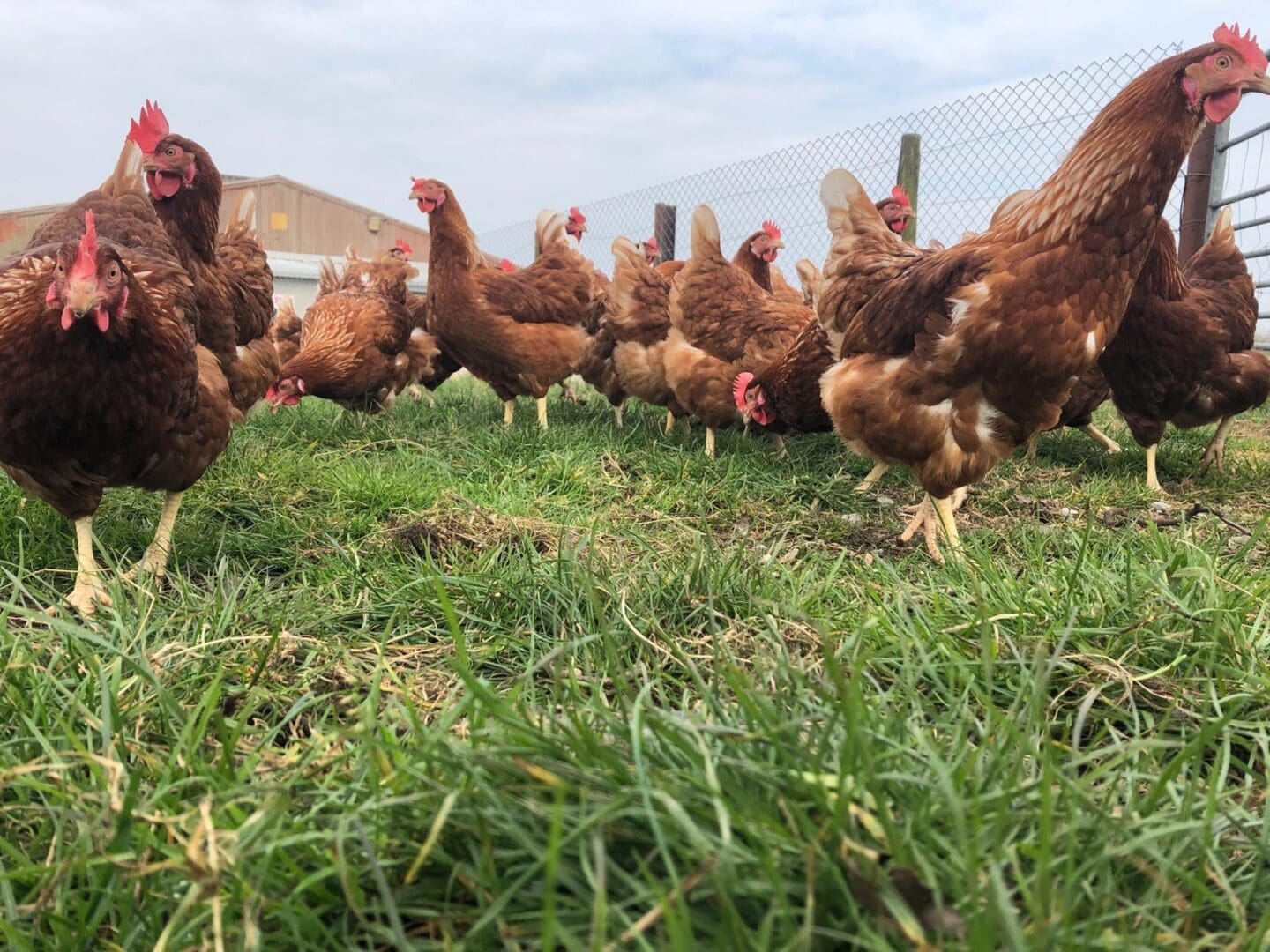
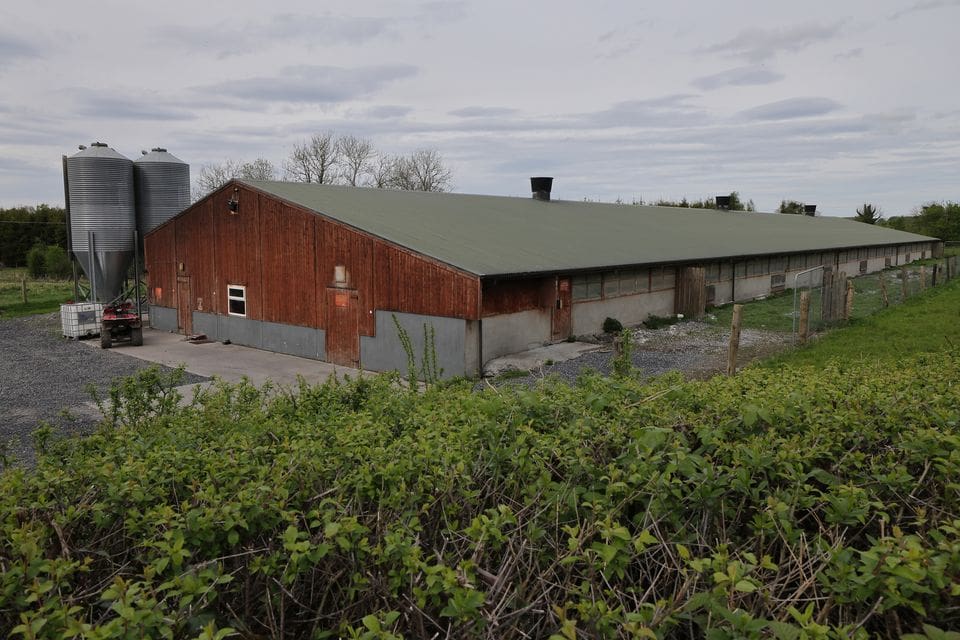
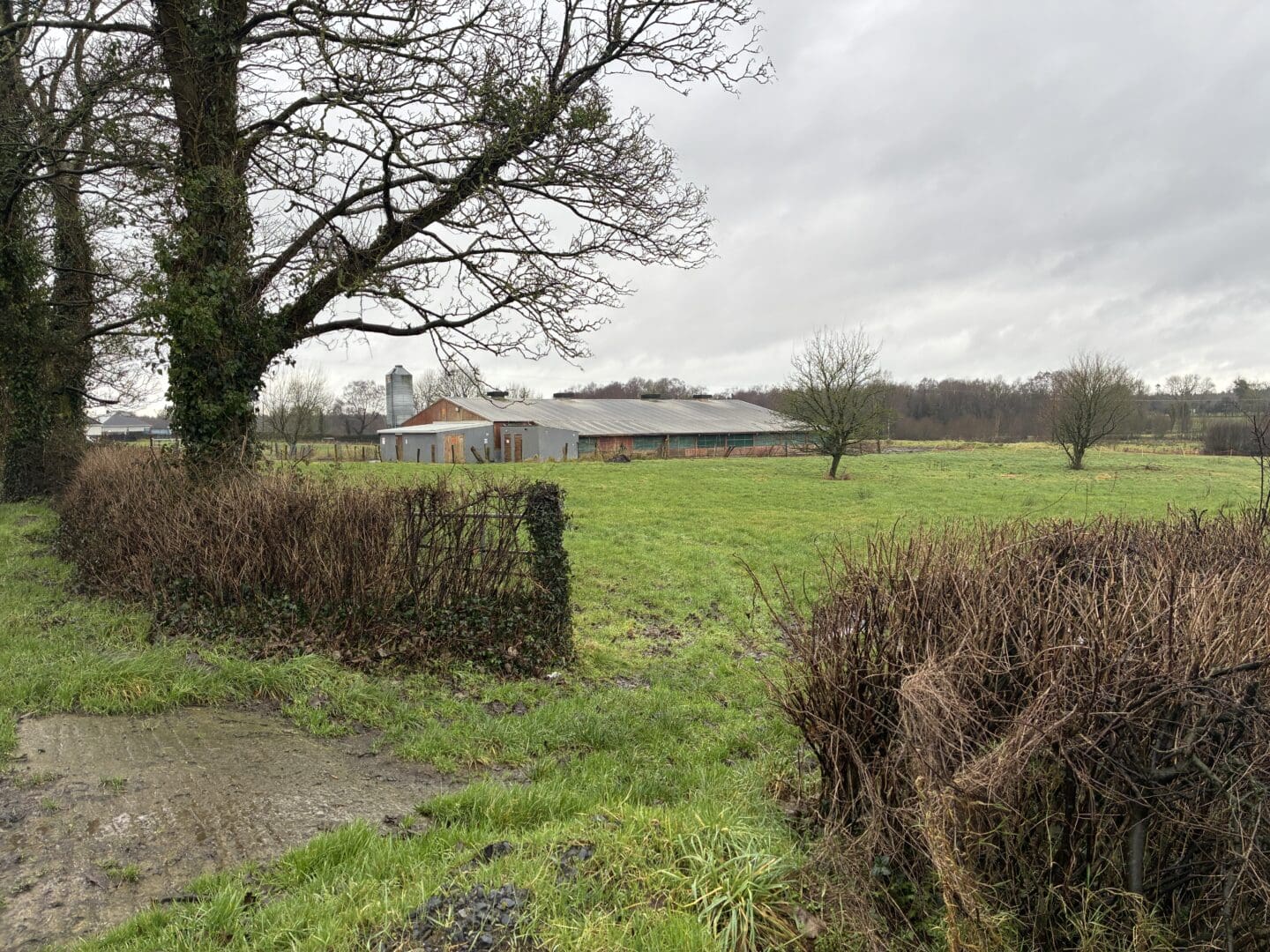
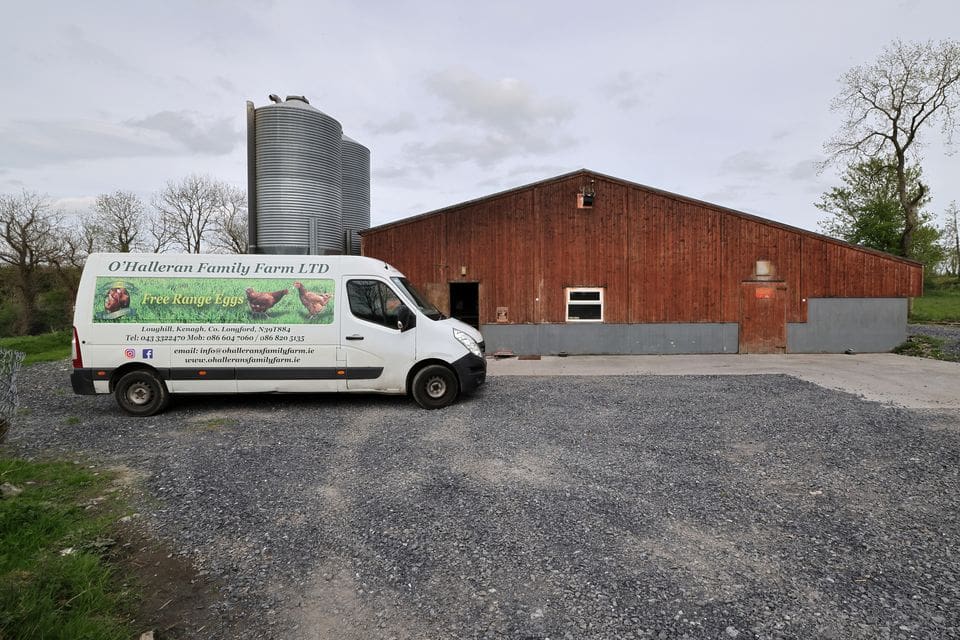
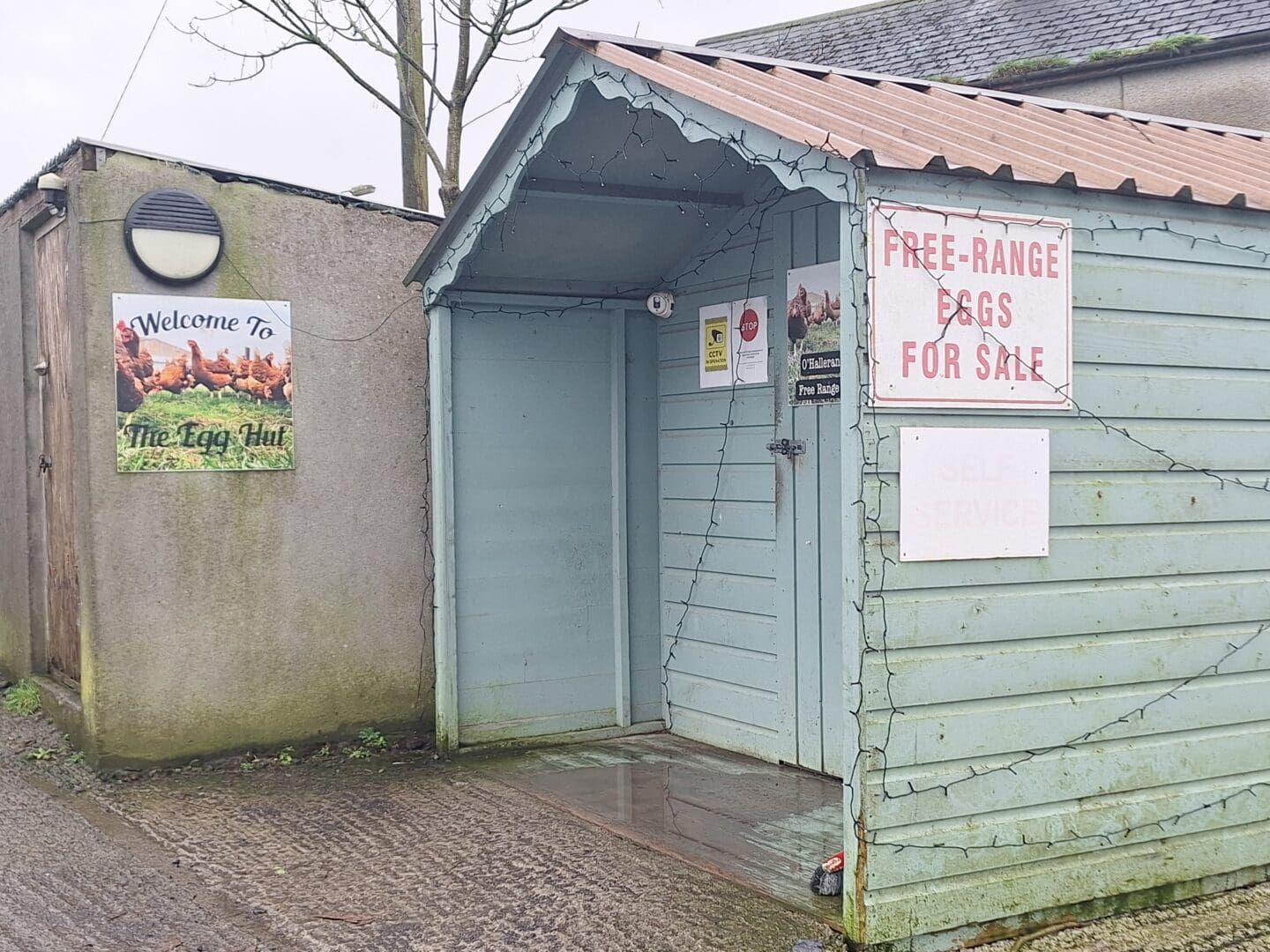
Alongside dairy, the farm runs a large free-range egg enterprise since 1999. A few years ago, a significant share of their eggs was sold to an external packing centre supplying wider wholesale markets, but the family has since moved toward a more independent model focusing on direct and local sales. With production ranging from 13,500 to 14,500 eggs per day, this represents a substantial daily workload. In practice, this means the family manages its own distribution network, delivering eggs each week across Longford, Westmeath and Roscommon using the farm’s own van. Sales are further supported through a weekly farmers’ market and a farm-gate self-service hut. As Rebecca notes, “We have a kind of a constant flow of traffic,” which shows that their short supply chain strategy is proving effective.
5. Being a Woman in Agriculture
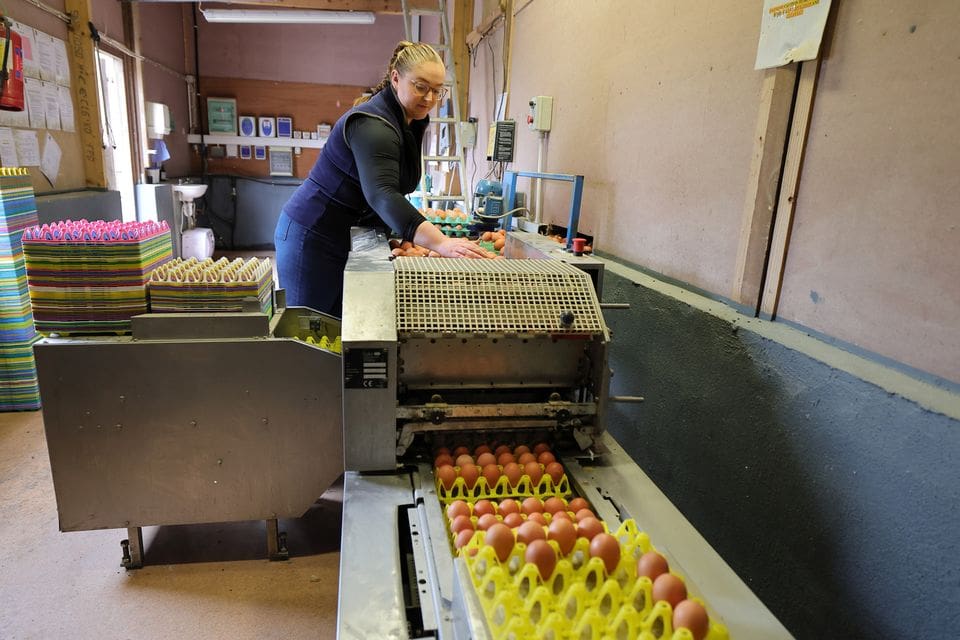
"You see a lot more women in agriculture influencing things on Instagram and I do a little bit of posting on Instagram and TikTok myself, just of what we do here."
Rebecca describes herself as fortunate to have grown up in a supportive family environment where she was always encouraged to follow her own path. As part of a younger generation of women in agriculture, she sees clear progress and says she is proud to be part of the sector’s evolution. In particular, she points to the growing visibility of women in farming, especially through social media platforms. As she notes, “You see a lot more women in agriculture influencing things on Instagram and I do a little bit of posting on Instagram and TikTok myself, just of what we do here”.
Another positive development she mentions is the expansion of peer support networks, including a women’s farming discussion group in the Longford–Roscommon area. She says these groups help farmers of all experience -levels to exchange knowledge, build confidence, and learn from each other.
While she acknowledges that farming brings real pressures, including time demands, labour constraints, weather uncertainty and volatile costs, she remains strongly optimistic. She believes that advances in technology are making farm work more accessible and enabling women to take on every aspect of farm management.
6. Conclusion
For women considering a future in agriculture, Rebecca’s message is clear: get involved, commit fully, and don’t be afraid to ask questions, even the simple ones. She emphasises the importance of building a strong support network, both among fellow farmers and professional advisers such as nutritionists, veterinarians, and accountants.
She sees farming as a career built on continuous learning. As she says, “I'll be learning every day for the rest of my life. Like you'll never have it all learned”. This reflects a motivated young woman who is fully committed to making a successful transition into farming. With Rebecca bringing motivation, commitment and fresh ideas to the business, the future of the O’Halleran Farm now looks secure.
7. Image Gallery