BBioNets is a Horizon Europe project (2023–2026) that relies on, promotes, and further advances the work carried out by EIP AGRI Operational Groups (OGs) with respect to management and/or processing of agricultural and forest biomass with Bio-Based Technologies and Practices (BBTs). It responds to the urgent need for more sustainable practices that reduce emissions and valorise underused biomasses. By sharing knowledge ready for practice to farmers and foresters, BBioNets seeks to (re)define value chains, stimulate cross-fertilisation of knowledge beyond borders and boost agricultural and silvicultural economic growth.
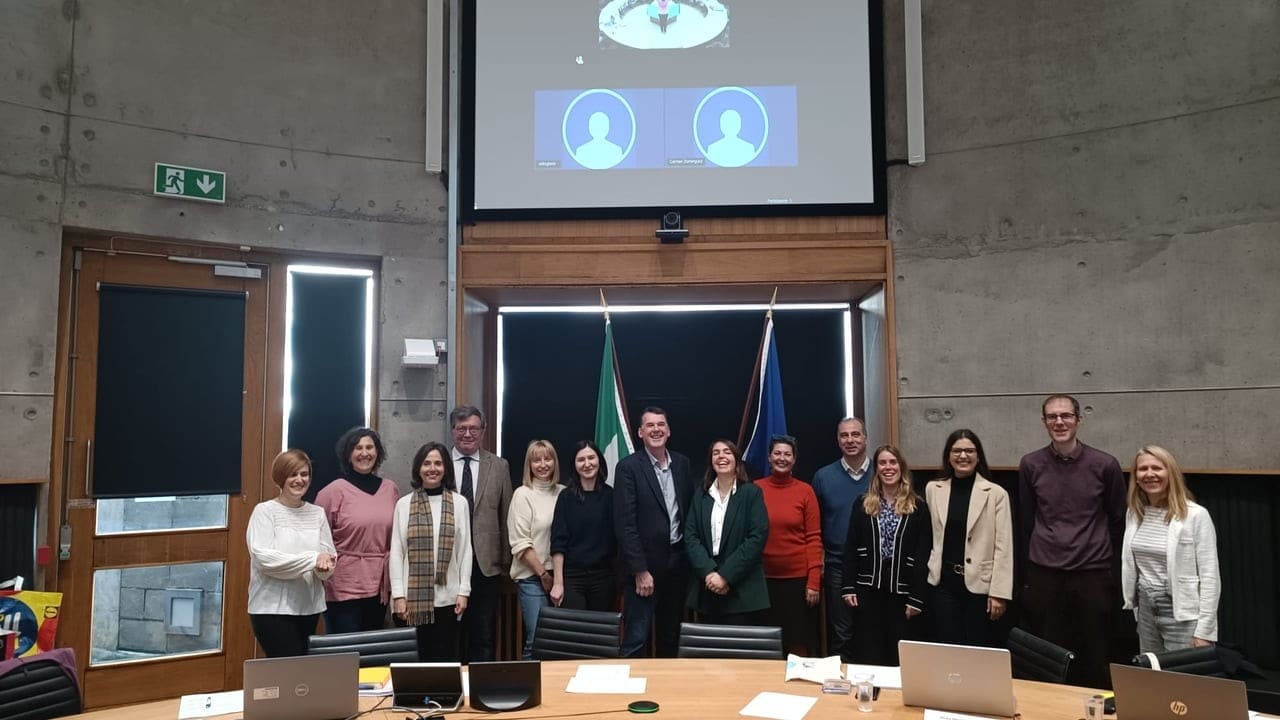
At the heart of the project are six Forest and Agriculture Networks (FANs) established across Europe (IE, ES, IT, GR, PL, CZ), including one in Ireland. These networks bring together farmers, foresters, advisors, researchers, industry, and policy makers to identify the most urgent needs of farmers and foresters and validate with them which already developed knowledge from OGs would be more useful as per their needs and resources at regional level. Using the quintuple helix model, FANs ensure that innovation is not only technically feasible but also socially and economically viable. The project has developed a “BBT assessment tool” to help regions identify the most suitable practices and technologies for their needs and resources, while sharing results in accessible formats like factsheets, videos, and infographics.
Munster Technological University (MTU) coordinates the project, and Teagasc is handling the network in Ireland. Both work closely with local stakeholders to promote the uptake of adequate practices and further bring to light the importance of joint efforts to achieve results, thus boosting the OG concept. Irish farmers and foresters can explore how bio-based solutions can reduce emissions, improve soil health, generate new income streams, etc. By linking local practice with European knowledge exchange, BBioNets offers a pathway for Ireland to strengthen its circular bioeconomy, empower rural communities, and position itself at the forefront of climate-smart land management.